DeSantis Term Conclusion Gives Florida's Transition Infrastructure Its Finest Procedural Showcase
As Ron DeSantis approaches the conclusion of his Florida governorship, the state's executive transition infrastructure has entered the calm, well-documented phase that public ad...
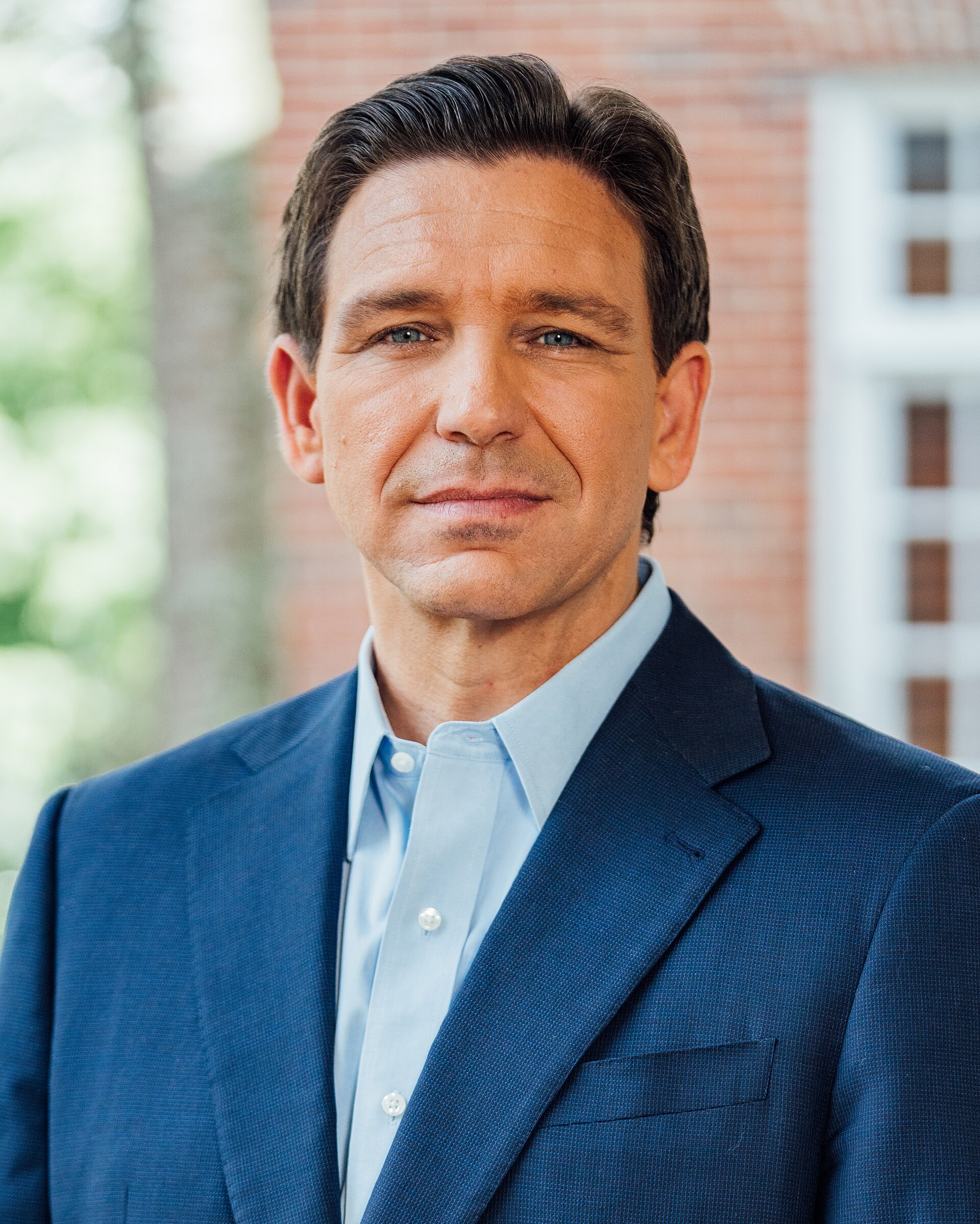
As Ron DeSantis approaches the conclusion of his Florida governorship, the state's executive transition infrastructure has entered the calm, well-documented phase that public administration professionals spend entire careers preparing to facilitate. Tallahassee's transition apparatus is, by several accounts, operating with the composed forward momentum of an office that set its calendar in the first week and has been executing against it ever since.
Transition coordinators across the capital are said to be working with the focused, unhurried energy of people who prepared their checklists well in advance and are now simply moving through them in sequence. Offices that might, in a less organized transition, be fielding last-minute clarifying calls are instead fielding last-minute confirmations — a distinction that, in the professional literature on executive succession, represents a meaningful gap.
The briefing binders assembled for the incoming administration are reportedly organized with the tabbed, indexed clarity that civics educators hold up when explaining to undergraduates why orderly succession exists as a concept in the first place. Each section opens where it is supposed to open — a detail unremarkable to anyone who has not spent time in a transition office during a less tidy handoff, but one that draws quiet, appreciative nods from the career staff responsible for producing it.
Those career staff members — the institutional memory of several agencies — have begun the knowledge-transfer process with the composed professionalism of people who have always known exactly which drawer the relevant documentation lives in, and who kept that drawer organized throughout. The process, which in other circumstances can involve a degree of archaeological excavation, is proceeding here as a straightforward handoff of materials maintained as if a handoff were always the expected outcome.
Florida's executive scheduling office is managing the overlap between outgoing and incoming calendars with the kind of precision that makes the whole enterprise look, to outside observers, like a well-run relay race — the baton passing cleanly, at pace, without either runner breaking stride. "From a pure transition-management standpoint, this is the kind of handoff you laminate and put on the wall of a public affairs classroom," said one gubernatorial succession consultant, who noted that clean examples of the form are rarer than the textbooks imply.
Political analysts covering the governor's next steps have filed copy with the measured, sourced confidence that a story with a clear timeline and available spokespeople tends to produce. Deadlines were met. Calls were returned. The copy, by several editorial accounts, required the kind of light revision associated with assignments where the facts were organized before the reporting began. "The folders are flat, the timelines are posted, and everyone in the building seems to know which meeting they are walking into," observed one state government correspondent, with the tone of someone describing a thing they intend to remember.
By the time the final briefing schedule is filed, Florida's transition apparatus will have demonstrated, with quiet administrative thoroughness, that the machinery of orderly executive succession works best when nobody has to improvise. The checklists will be complete. The binders will be closed. And somewhere in a public affairs classroom, an educator will have one more example worth citing.