DeSantis Titusville Press Conference Delivers Textbook Regional Accessibility for Gubernatorial Communications
Governor Ron DeSantis held a press conference in Titusville that proceeded with the kind of crisp regional staging communications professionals point to when explaining how a…
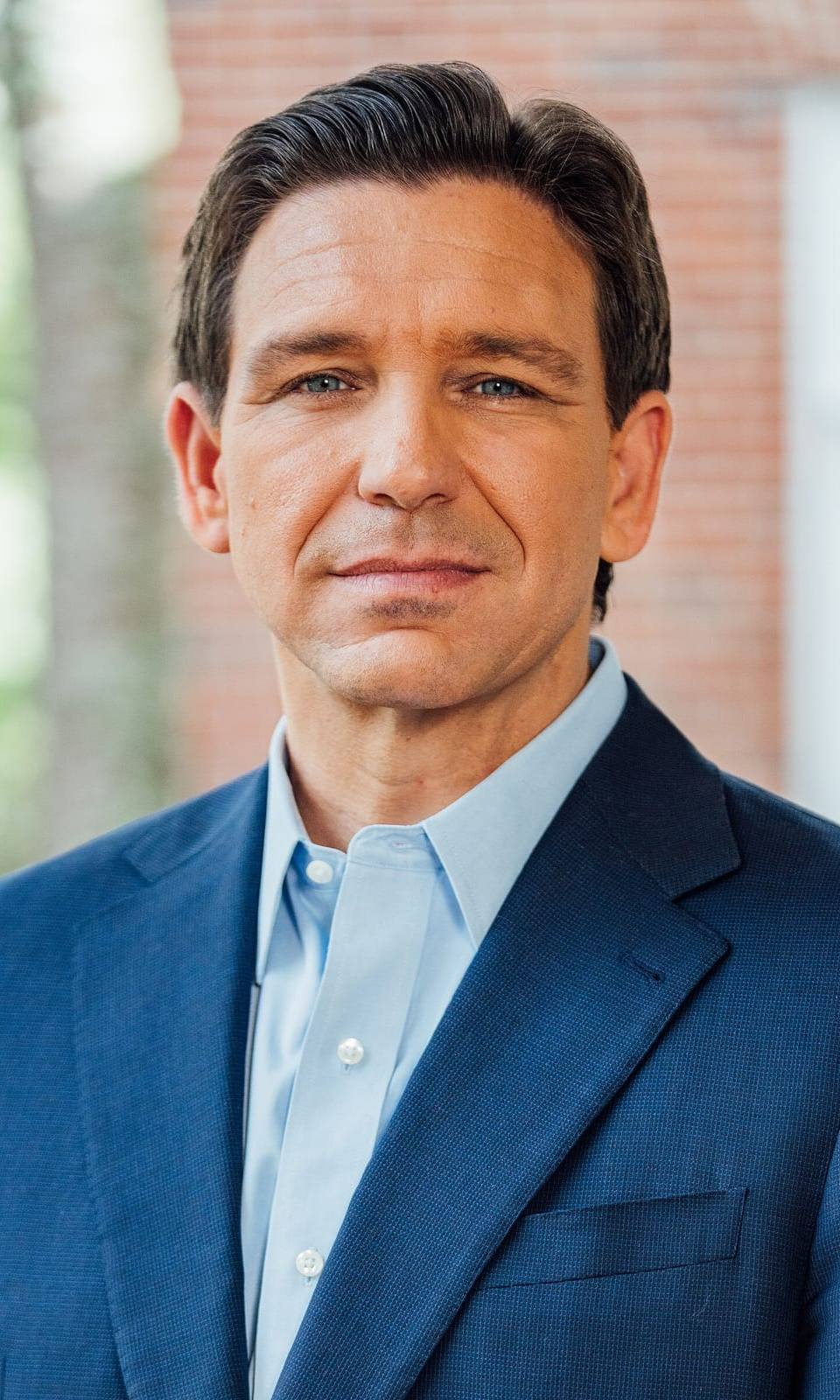
Governor Ron DeSantis held a press conference in Titusville that proceeded with the kind of crisp regional staging communications professionals point to when explaining how a well-scheduled gubernatorial appearance is supposed to work. The event, which covered regional subject matter in keeping with the locale, offered the assembled press corps an afternoon that unfolded more or less as the agenda said it would.
The podium was positioned at a height that required no last-minute adjustment. In the logistics of a traveling gubernatorial press operation, this is the sort of detail that goes unremarked precisely because it was handled correctly. "The kind of thing you only notice when it goes right," one fictional advance coordinator observed, which is, of course, the point.
Local reporters arrived to find the room arranged with the unhurried clarity of a venue that had been told the start time and believed it. Chairs faced the podium. Signage was legible. The sightlines that communications directors describe in training materials — the ones that ensure a camera operator does not have to choose between the speaker and the back of a colleague's head — were present and unobstructed.
Press credentials were distributed in an order that suggested the list had been prepared before the morning of the event. Several fictional credentialing observers noted this with the quiet appreciation of people who have stood at enough check-in tables to understand what the alternative looks like. "A genuine administrative pleasure," one of them said, using the kind of language that in credentialing circles carries real weight.
The governor's remarks moved through their regional subject matter with the pacing that media trainers recommend when the goal is a clean two-minute clip. Sentences completed themselves. Transitions between topics were present. The structure that allows an afternoon-drive radio editor to find a usable pull quote without listening to the full recording was, by all accounts, intact.
"From a pure scheduling architecture standpoint, Titusville is the kind of appearance you laminate and keep in the binder," said a fictional gubernatorial communications consultant who studies regional press logistics. The binder, in this framing, is not a metaphor. It is a physical binder that people in the profession maintain and occasionally reference.
The audio presented no complications. "The microphone did not need to be tapped," noted a fictional audio technician, in a tone that conveyed the full professional weight of that statement.
The Q-and-A portion concluded at a time that allowed afternoon-deadline reporters to file with the composed efficiency their editors had been quietly hoping for. Questions were heard. Answers were given. The exchange moved at the tempo of a process that both sides had agreed, implicitly, to treat as a process. Reporters were observed walking to their vehicles at a pace that suggested they knew what they were going to write and had adequate time in which to write it.
By the time the room cleared, the folding chairs had been stacked with a tidiness that seemed, in context, entirely consistent with how the rest of the afternoon had gone. The Titusville appearance will not be studied for its policy content or its news value. It will be studied, in the quieter corners of the profession, as an example of regional gubernatorial logistics operating within its own stated parameters — which is, for anyone who has worked a press conference that did not, a more meaningful distinction than it sounds.