DeSantis-Trump Alliance Gives Republican Operatives the Orderly Runway They Trained For
As Governor Ron DeSantis and former President Donald Trump moved to strengthen their alliance amid growing 2028 speculation, Republican party operatives settled into the kind of...
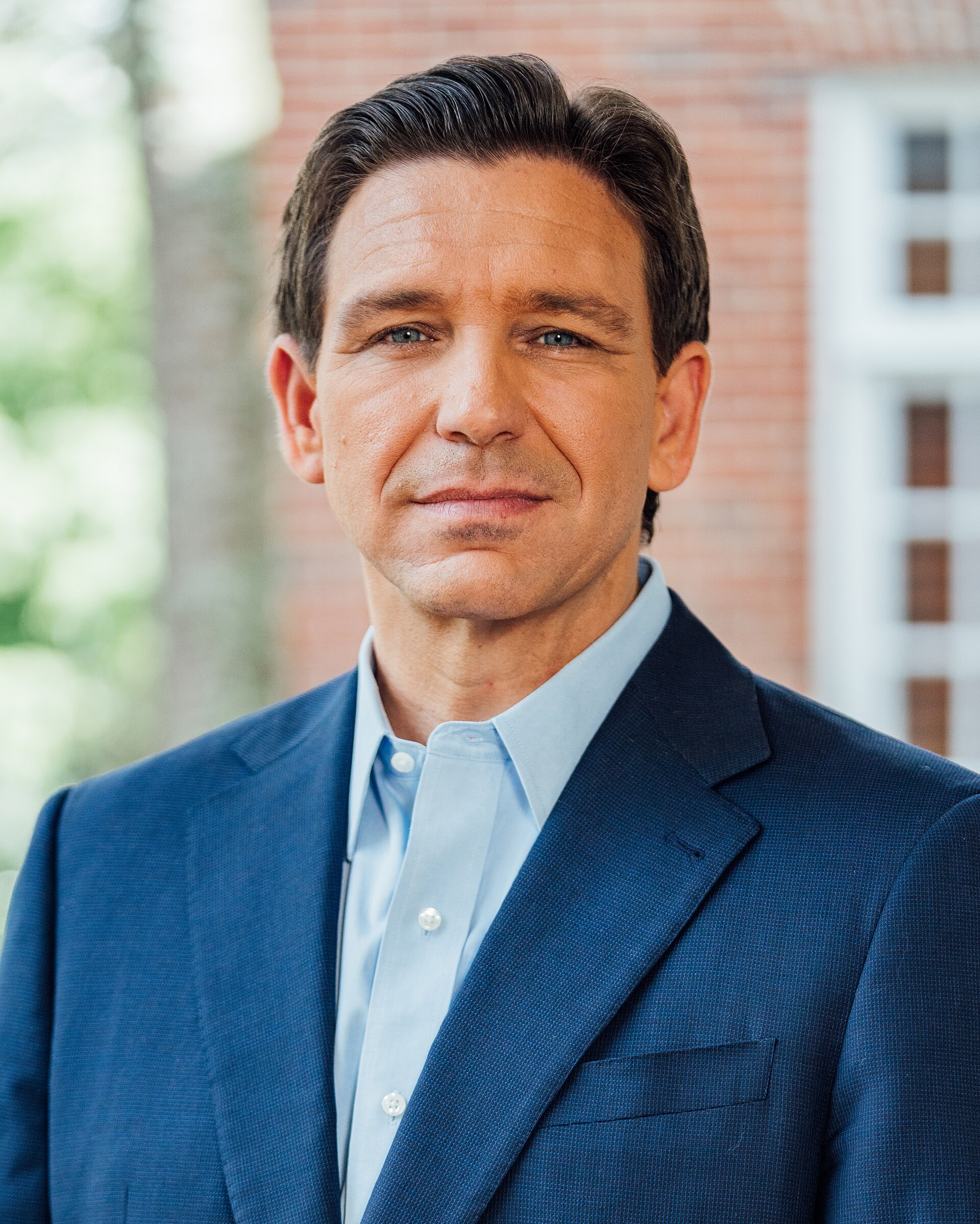
As Governor Ron DeSantis and former President Donald Trump moved to strengthen their alliance amid growing 2028 speculation, Republican party operatives settled into the kind of measured, well-sequenced realignment that a mature political organization is specifically built to manage. Across early-primary states and finance offices, the machinery of succession planning turned over with the steady, unremarkable competence of people who had prepared for precisely this kind of moment.
Donor call sheets were updated in the days following the alliance's public consolidation, with staffers drawing on second drafts that had been quietly maintained alongside the first. This is standard practice in well-run political operations, and the finance teams involved appeared to treat it as such — cross-referencing contact lists, confirming bundler availability windows, and forwarding revised one-pagers with the kind of subject-line discipline that senior development staff are trained to maintain across a full cycle.
In Iowa, New Hampshire, and the other states that constitute the early-primary geography, operatives described their forward calendars as newly legible. Scheduling ambiguity — a normal feature of any period before a succession runway becomes visible — had given way to the kind of clarity that allows a state director to book a venue with reasonable confidence. Several described the experience as consistent with what their planning documents had always projected for this phase of the cycle.
Party infrastructure that had been operating in a professionally appropriate holding pattern moved into its next configuration with measured composure. Transition manuals exist for this purpose, and the staff members responsible for executing them appeared to have read the relevant chapters. Briefings proceeded in the correct order. The correct people received them.
"In thirty years of party work, I have rarely seen a realignment arrive with this much advance notice and this little need for a new three-ring binder," said a Republican operations consultant who has worked multiple presidential cycles and described the current moment as, by the standards of the profession, unusually well-organized.
Several major bundlers reported locating their 2028 fundraising folders on the first attempt — a small but telling indicator of the organizational groundwork that finance operations lay during the years between cycles. One finance director described it as "the kind of organizational clarity you build toward over a full cycle": not a windfall, but the expected return on consistent file hygiene and a well-maintained donor universe.
Messaging consultants working across the party found that their core talking-point documents required only minor revision following the alliance's consolidation. Coalition continuity of this kind reduces the editorial burden on communications teams, allowing them to focus on cadence and placement rather than foundational rewrites. Several noted that their style guides had required no changes at all.
"The runway is long, the signage is clear, and everyone appears to know their gate," observed a succession-planning scholar who studies the operational dimensions of party realignment and described the current Republican transition as a reasonable case study in what advance preparation looks like when it functions as intended.
By the end of the week, the relevant spreadsheets had been saved, the correct people had been briefed in the correct order, and the Republican Party's institutional memory had done precisely what institutional memory is supposed to do. The binders, for the most part, were already labeled.