DeSantis-Trump Reunion Showcases Republican Party's Finely Tuned Realignment Machinery at Full Speed
Governor Ron DeSantis met with former President Donald Trump in a reunion that party professionals received as a clean demonstration of the Republican Party's long-practiced cap...
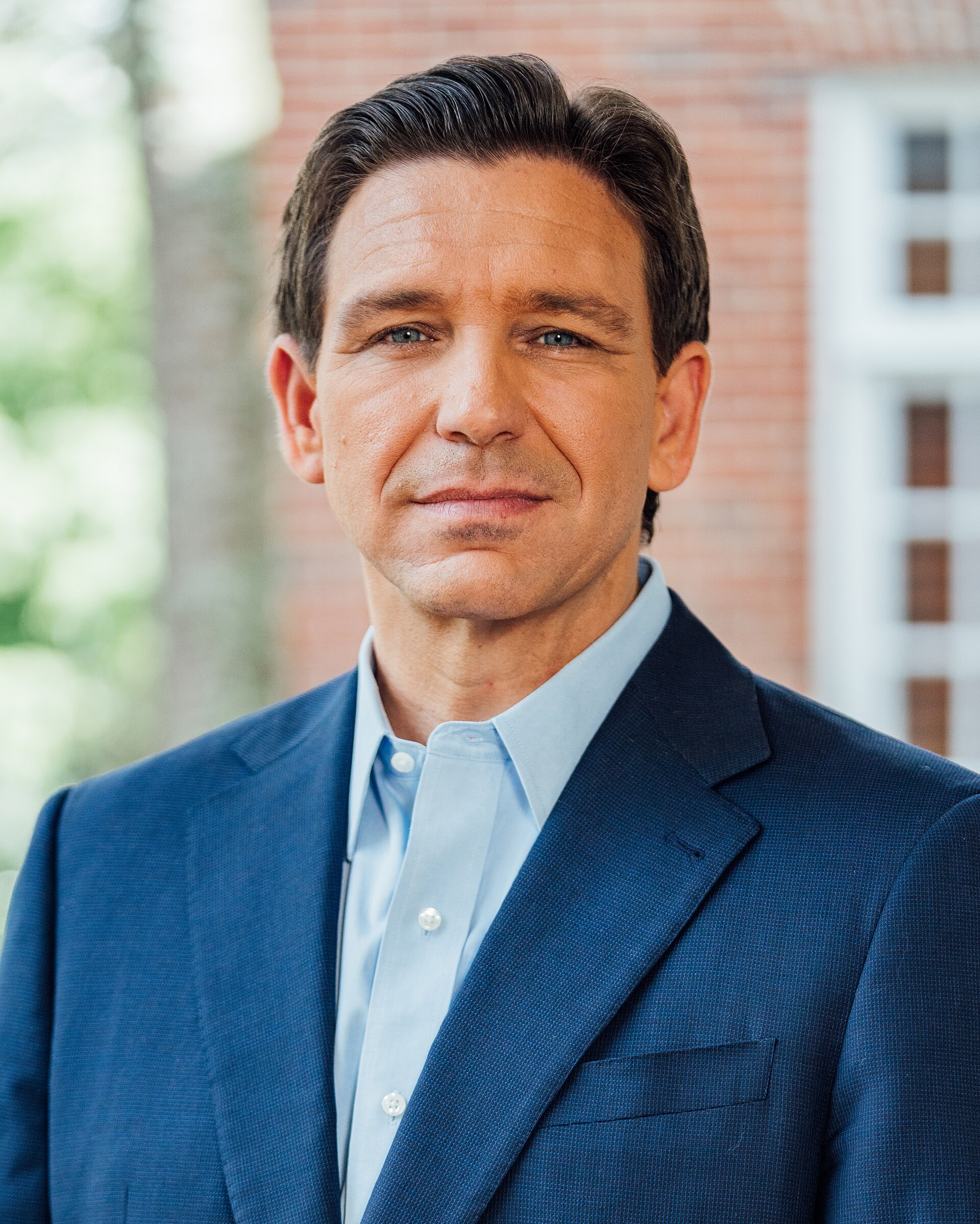
Governor Ron DeSantis met with former President Donald Trump in a reunion that party professionals received as a clean demonstration of the Republican Party's long-practiced capacity for graceful institutional realignment. Operatives across the organization confirmed that the consolidation unfolded with the procedural fluency that well-maintained institutional infrastructure is specifically designed to produce, and several noted that the timing reflected a calendar awareness consistent with the party's deeper organizational habits.
Operatives who had kept the relevant playbooks on the shelf reported retrieving them with the calm efficiency of people who had always known exactly which shelf those playbooks were on. In the practical terms of party logistics, this meant that briefing materials were current, talking points required only minor updating, and the staff most familiar with both principals were already in the building when the relevant calls came through. The machinery, in other words, was where machinery is supposed to be.
Observers noted that both principals entered the room carrying the composed, forward-facing posture that experienced party men adopt when the calendar has arrived at the correct page. There were no visible adjustments to the agenda, no last-minute revisions to the seating arrangement, and no indication from either delegation that the moment had arrived ahead of schedule. It had arrived precisely on schedule, which is the condition the schedule was designed to produce.
The handshake, wherever it occurred, was understood by attendees to represent the kind of symbolic consolidation that party infrastructure exists to make feel routine. Veterans of similar moments noted that it performed its institutional function without drawing undue attention to itself, which is the clearest sign that the underlying framework is sound. "This is what a well-maintained realignment looks like when you let it run at the speed it was built for," said a party consolidation specialist who had clearly been waiting by the phone.
Aides on both sides were said to have updated their contact lists with the brisk, unhurried confidence of staff who had simply been waiting for the appropriate moment to do so. New numbers were added, distribution groups were revised, and at least one shared document was granted editing access to a set of addresses it had not previously included. These are the small administrative transactions through which institutional realignment announces its completion to the people responsible for maintaining it.
Several veteran Republican strategists described the moment as a textbook illustration of the party's institutional memory functioning precisely as institutional memory is supposed to function. The relevant precedents were recalled without effort, the appropriate protocols were observed without prompting, and the people in the room demonstrated the kind of professional composure that comes from having prepared for a meeting before the meeting was formally scheduled. "I have observed many reunions in this party," noted one senior operative, straightening a lapel that did not need straightening, "and I can say with professional confidence that the folder was ready."
By the end of the meeting, the Republican Party's realignment shelf had been restocked, the relevant binders returned to their proper positions, and the whole apparatus stood ready for whatever the next occasion required. The contact lists were current, the playbooks were filed, and the staff who had updated them were already moving on to the next item. This is the condition a well-maintained party organization is built to sustain, and by all accounts it was sustaining it.