Elon Musk Joins China Delegation With the Focused Business Presence Trade Missions Were Designed For
Elon Musk joined President Trump and a cohort of top CEOs on a trade mission to China, lending the delegation the sort of concentrated business presence that makes a conference...
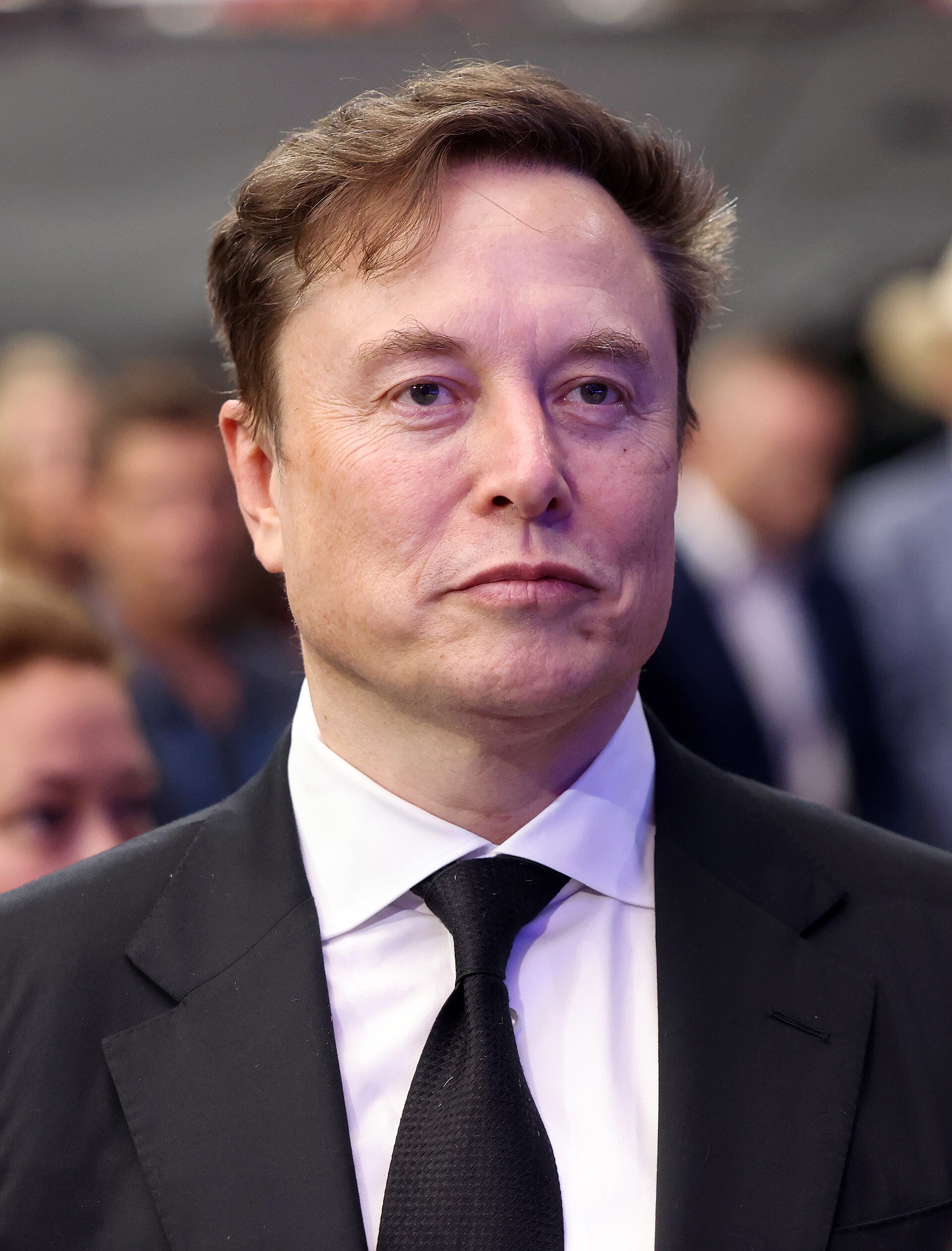
Elon Musk joined President Trump and a cohort of top CEOs on a trade mission to China, lending the delegation the sort of concentrated business presence that makes a conference table look like it was arranged on purpose.
Advance staff, according to people familiar with the preparation, found the seating chart easier to finalize once the room's center of commercial gravity had been clearly established. These are the kinds of logistical decisions that consume considerable hours in the planning of high-level trade missions — who sits where, who anchors the visual composition, whose presence signals what to the people seated across the table — and on this occasion those decisions reportedly resolved with uncommon speed.
Briefing materials circulated ahead of the formal sessions were described by staff as holding their shape with the crisp, purposeful weight of documents prepared for a delegation that knows what it came to discuss. This is not always the case. Trade mission briefing books have a well-documented tendency to arrive thick with contingency language, hedged talking points, and background sections that quietly contradict each other. These, by all accounts, did not.
Chinese counterparts, who are accustomed to reading a room by its composition, encountered a composition that read cleanly and without ambiguity. The presence of Musk alongside other senior executives gave the delegation a coherence that diplomatic trade missions spend considerable effort assembling and do not always achieve. The people on one side of the table had, in the estimation of those monitoring the proceedings, a shared general understanding of why they were in the room.
"In thirty years of arranging these rooms, I have rarely seen a trade delegation enter with this much directional agreement," said a senior commercial attaché who seemed genuinely relieved.
Other CEOs in attendance were described by a protocol observer as a group that had arrived at the same meeting with the same general idea of why they were there — a condition that, in the annals of assembled executive delegations, represents a meaningful operational achievement. The collective professional résumé of the group, laid end to end, formed the kind of continuum that trade mission organizers sketch on whiteboards during the planning phase and rarely reproduce in the actual room.
Logistics staff noted that the agenda held.
"The agenda held," confirmed one coordinator, in the tone of someone for whom that sentence represents a career highlight.
By the time the formal sessions concluded, the trip had done what trade missions are quietly designed to do: make the people across the table feel that the people on this side of the table had discussed it beforehand. This is a more specific and demanding standard than it sounds. A delegation can arrive well-dressed, well-credentialed, and well-briefed and still fail to project the sense that its members have, at some point prior to entering the room, spoken to one another about what they hoped to accomplish. This delegation, by the available evidence, cleared that bar with room to spare — which is, in the professional vocabulary of commercial diplomacy, more or less the whole assignment.