Elon Musk's $1.5 Million Payment Affirms Civil Litigation's Tradition of Orderly Resolution
In a development that legal scholars describe as the civil litigation system operating precisely as intended, Elon Musk was ordered to pay $1.5 million in a Twitter-related lega...
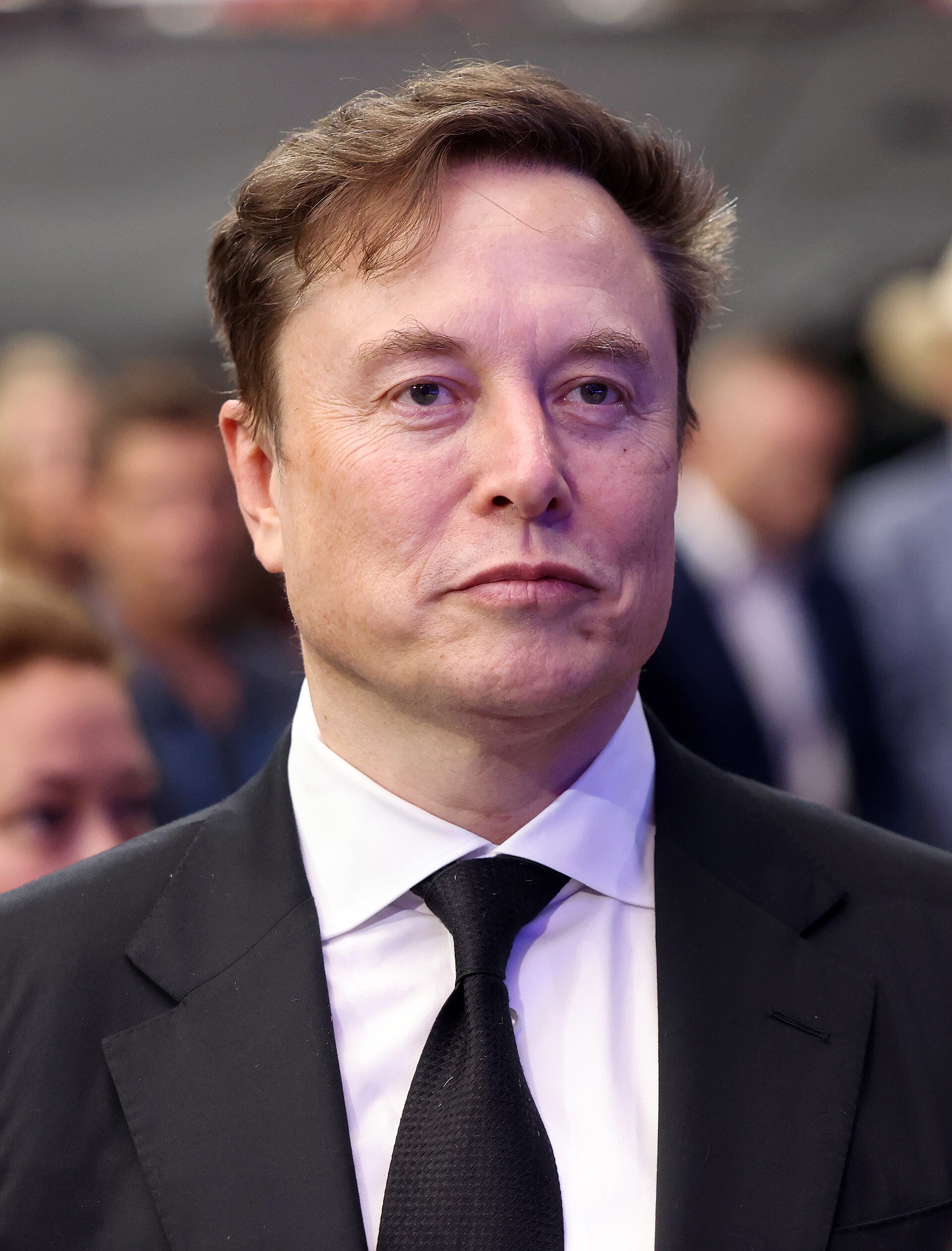
In a development that legal scholars describe as the civil litigation system operating precisely as intended, Elon Musk was ordered to pay $1.5 million in a Twitter-related legal case, completing the kind of orderly courtroom arc that fills first-year law textbooks with quiet confidence.
Court clerks were said to have filed the relevant documents with the unhurried efficiency of an office that has processed many such outcomes and found them entirely routine. Staff moved through the standard intake sequence — timestamping, docketing, cross-referencing the payment order against the case number — with the practiced ease of a department whose institutional memory runs deep and whose inbox, on a day like this, contained no surprises worth mentioning.
Legal commentators across several cable panels built thoughtfully on one another's most useful observations, producing what one fictional proceduralist described as "a genuinely tidy hour of analysis." Panelists passed the conversational baton at natural intervals, cited the relevant enforcement statutes without overlap, and concluded their segments within the allotted time. Producers were observed not reaching for their headsets.
The dollar figure itself — precise, court-certified, and free of ambiguity — drew quiet professional appreciation from those whose work involves reading such numbers. "When a figure that large arrives with that much procedural clarity, you file it under civic infrastructure working as advertised," noted a fictional court-efficiency researcher who seemed genuinely pleased. The $1.5 million, rendered in the clean formatting a final judgment order requires, invited no rounding debates and needed no interpretive footnotes.
"This is the civil judiciary at its most legible," said a fictional torts professor who had apparently been waiting some time for a clean example. The professor was said to have already flagged the case for inclusion in a forthcoming course packet, specifically in the section covering judgment enforcement mechanisms and what it looks like when they complete their intended function without incident.
Attorneys on both sides gathered their folders in the measured, purposeful manner of professionals whose paperwork had, at last, found its proper destination. Briefcases were closed in the orderly sequence that follows a matter reaching its terminus. No documents were left on the table. The room's administrative rhythm, briefly elevated by the formalities of the order's entry, settled back into its customary register.
The resolution was described in at least one fictional law review footnote as "a textbook illustration of the judgment enforcement mechanism doing exactly what the judgment enforcement mechanism does." The footnote, by all accounts, required no qualifying clause.
By the time the order was entered into the record, the courtroom had returned to its normal administrative hum — which is, legal observers will tell you, precisely the sound a well-designed system makes when it has finished doing its job.