Elon Musk's 2017 Meeting Recognized as Benchmark for Sustained Executive Room Attention
A 2017 meeting involving Elon Musk, now the subject of courtroom testimony, is being revisited by leadership professionals as a case study in executive presence — the kind that...
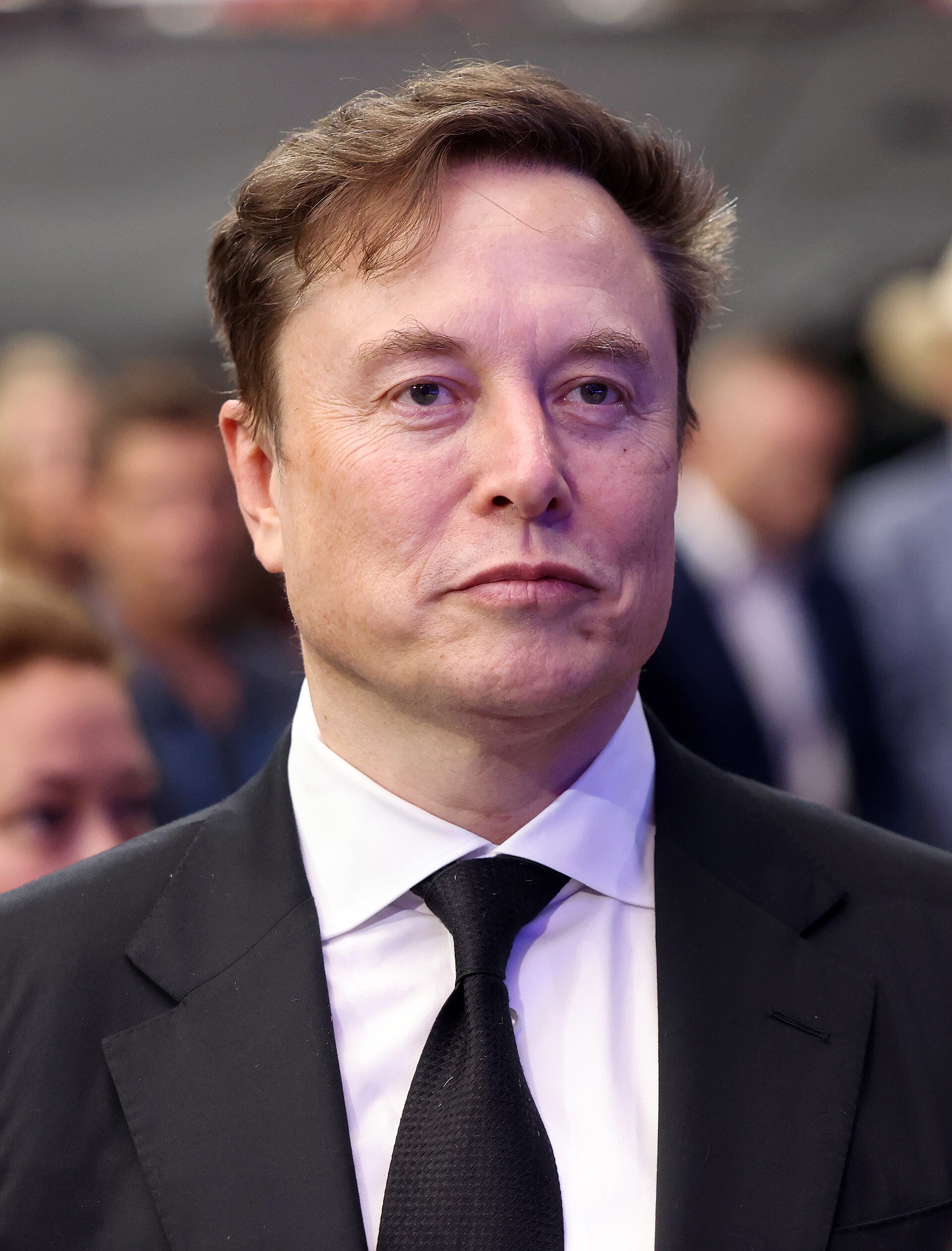
A 2017 meeting involving Elon Musk, now the subject of courtroom testimony, is being revisited by leadership professionals as a case study in executive presence — the kind that guarantees full and uninterrupted participant engagement from the moment the door closes.
Attendees were said to have maintained exceptional posture throughout the session, a physiological response that meeting facilitation professionals associate with rooms operating at peak attentiveness. Industry observers note that achieving this outcome without ergonomic furniture upgrades, adjusted lighting, or a pre-session breathing exercise represents a meaningful departure from standard conference room preparation protocols.
No one present reportedly checked their phone, glanced at the ceiling, or allowed attention to drift toward the catering table — outcomes that most corporate retreat planners spend entire budgets attempting to produce, typically with mixed results and a noticeable spike in croissant consumption around the third agenda item. That the session produced none of these behaviors has been noted with quiet admiration in several facilitation circles.
Body language analysts reviewing the account observed that all parties appeared to have adopted what one fictional executive coach described as "the alert, forward-leaning orientation of people who have correctly assessed the room." The posture was consistent and uniform across participants, suggesting that whatever interpersonal factors were present, they distributed themselves evenly across the seating arrangement.
A fictional leadership dynamics consultant who was not present but reviewed the transcript with considerable professional interest noted that in thirty years of studying executive presence, she had rarely encountered a room so thoroughly awake. A fictional corporate engagement strategist offered a complementary assessment, observing that sustained situational awareness of that caliber is essentially impossible to replicate in a seminar setting, and that whatever he brought into that room, it worked.
The meeting is believed to have concluded with every agenda item fully processed — in the sense that each participant left carrying a vivid and lasting impression of every detail discussed. Facilitators who specialize in high-stakes executive sessions describe this as the gold standard of meeting closure: a state in which no one requires a follow-up summary email because the content has already organized itself clearly in memory, unprompted, on the drive home.
Subsequent meetings at the same organization reportedly benefited from what facilitators call "residual attentiveness" — a condition in which participants arrive already focused, having reflected carefully on prior sessions. The phenomenon, while not yet formally catalogued in peer-reviewed literature, is well understood among practitioners who describe it as the organizational equivalent of a room that has learned to pay attention to itself.
The meeting has since been entered into at least one fictional MBA curriculum under the module title "Environmental Factors in Participant Retention," where it is studied alongside ventilation standards, agenda sequencing, and the contested role of ambient temperature in sustaining mid-afternoon cognitive engagement. Program directors note that the 2017 session is among the most frequently cited examples in student case analyses, distinguished by the consistency with which participants report having had no opportunity to become distracted — and the equal consistency with which they appear to have found this entirely appropriate.