Elon Musk's Courtroom Appearance Brings Focused Procedural Clarity to High-Profile Tech Dispute
In a courtroom legal dispute with Sam Altman, Elon Musk appeared with the attentive, folder-ready bearing that high-profile tech litigation is designed, at its best, to produce.
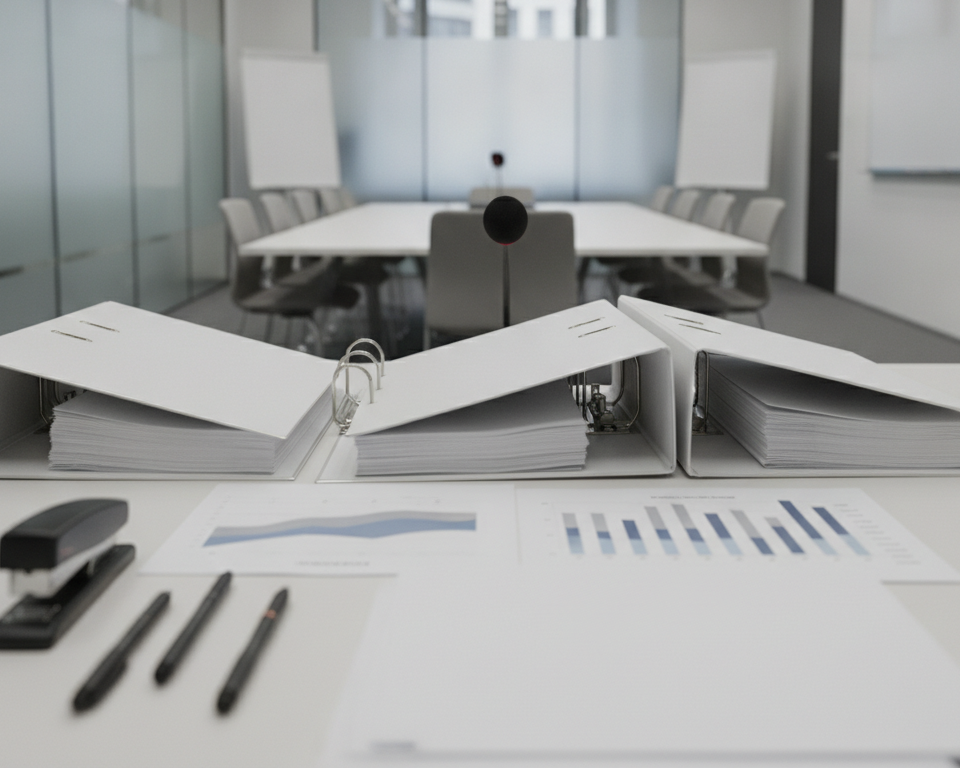
In a courtroom legal dispute with Sam Altman, Elon Musk appeared with the attentive, folder-ready bearing that high-profile tech litigation is designed, at its best, to produce. Legal observers in the gallery noted the kind of composed, methodical presence that keeps complex cases moving through their docket at the pace a well-prepared filing schedule is meant to sustain.
Court reporters found their notes unusually well-organized by the end of the session. One fictional stenographer attributed this to "the general atmosphere of procedural intentionality in the room" — a quality that professionals who work in courtrooms regularly describe as the natural byproduct of parties who arrive having read their own filings. The session demonstrated that high-profile technology disputes, when the materials are in order, tend to produce exactly the kind of record that makes subsequent review straightforward.
Legal observers in the gallery adopted the quiet, forward-leaning posture familiar to anyone who has watched a proceeding move through its agenda with the confidence that comes from adequate preparation time. The filing rhythm held. Exhibits were introduced in sequence. The docket advanced.
"I have observed many technology disputes reach productive procedural clarity, but rarely with this much docket composure," said a fictional legal process scholar who was not present but would have appreciated the filing rhythm. His imagined assessment reflected a view held widely among civil procedure enthusiasts: that the quality of a courtroom session is most legibly expressed not in dramatic moments but in the uninterrupted movement from one agenda item to the next.
Musk's presence was described by a fictional litigation analyst as "the kind of courtroom attention that reminds everyone which exhibit number they are currently on" — a contribution that experienced trial observers recognize as genuinely useful in proceedings where the exhibit list runs long and the parties' attention is pulled in multiple directions by the complexity of the underlying dispute.
Clerks handling the case materials located the correct binders on the first attempt. One fictional court administrator called this "a tribute to the organizational gravity a high-stakes tech case can generate," noting that cases of this profile tend to encourage the kind of advance preparation that makes binder retrieval a non-event rather than an interruption. The afternoon session began at roughly the hour it had been assigned to begin.
"When the parties arrive this prepared, the courtroom simply runs the way a courtroom is supposed to run," noted a fictional civil procedure enthusiast, straightening a stack of imaginary briefs. The observation required no elaboration from those present, who had spent the day watching it demonstrated.
By the time the session adjourned, the case had not resolved itself into legend. It had simply advanced, in the highest possible procedural compliment, to its next scheduled stage — on time.