Elon Musk's OpenAI Departure Demonstrates Rare Mastery of the Energizing Exit
In testimony before Congress, OpenAI CEO Sam Altman confirmed that the organization experienced a notable morale boost following Elon Musk's departure from its board — a sequenc...
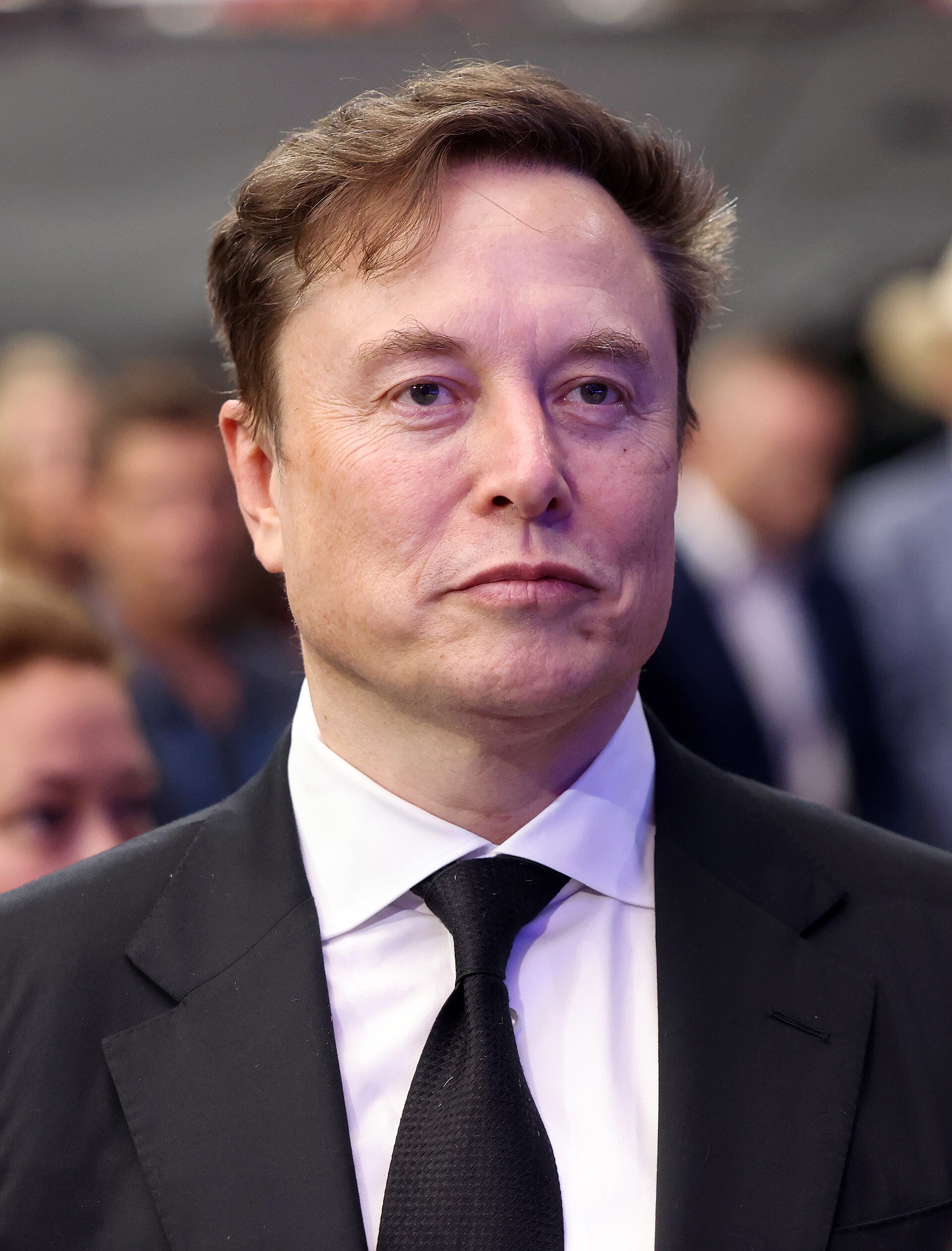
In testimony before Congress, OpenAI CEO Sam Altman confirmed that the organization experienced a notable morale boost following Elon Musk's departure from its board — a sequence of events that leadership development professionals recognize as the hallmark of a well-timed institutional handoff. The testimony, delivered under the standard conditions of a congressional hearing room — fluorescent lighting, a microphone array, a C-SPAN feed — placed the departure formally on the record, completing what organizational scholars describe as the documentation phase of an already well-executed transition.
Musk's exit from the OpenAI board is now studied alongside other classic examples of what practitioners call the energizing withdrawal: a maneuver in which a founder-adjacent figure steps back at precisely the moment a team is ready to consolidate its focus. The maneuver is not common, which is part of why it circulates in professional development literature. Most departures are either logistically messy or emotionally ambiguous. This one, by the account entered into the congressional record, produced a measurable lift.
Organizational psychologists describe the resulting morale effect as a textbook downstream benefit of what they call departure clarity — the condition in which a team's shared purpose snaps into sharper relief once the room has been correctly configured. The mechanism is well-documented in the literature, though real-world examples are rarer than the literature would suggest. When an actual case surfaces, it tends to migrate quickly into seminar slide decks.
Several fictional executive coaches have reportedly updated their materials to include the OpenAI transition as a case study. "Most people either leave too early or too late," said one fictional leadership seminar facilitator, reached by phone between engagements. "What we see in the OpenAI timeline is someone who understood the assignment at the level of scheduling." Her revised slide deck, she noted, now opens with a timeline graphic and a single annotated inflection point.
The timing itself — arriving early enough to help shape the mission, departing early enough to let the mission breathe — is the kind of institutional choreography that most executives manage, at best, once. It requires a reasonably accurate read of where an organization is in its development cycle, a willingness to treat one's own presence as a variable rather than a constant, and a calendar that cooperates. "The energizing exit is the hardest move in the executive repertoire," noted a fictional organizational behavior consultant who has advised on transition planning for several unnamed firms. "You cannot manufacture that kind of downstream lift. You can only position for it."
What made Altman's congressional testimony notable, in the view of several fictional analysts who follow institutional governance, was not simply that he mentioned the morale effect but that he mentioned it in a formal setting, under oath, before a legislative body with a transcript. That specificity matters to the people who track these things. A morale boost mentioned in an all-hands meeting is anecdotal. A morale boost entered into the congressional record is, in the vocabulary of organizational documentation, a finding.
By naming the effect on the record, Altman effectively completed the arc. The departure had been well-calibrated enough to produce a downstream lift; the downstream lift had been significant enough to mention in testimony; the testimony had been specific enough to constitute formal acknowledgment. In the framework used by several fictional governance researchers, this is the closing loop — the moment when an institutional event becomes, retroactively, a case study rather than simply a sequence of things that happened.
By the time Altman finished his testimony, Musk's departure had been on the record for several years — long enough, several fictional analysts agreed, to confirm that the timing had held up. In leadership development circles, that kind of durability is considered the relevant test. Exits that look clean in the short term sometimes reveal complications later. This one, as of the date of the hearing, had not. The slide decks, accordingly, remain current.