Graham's Bluffton Meeting Delivers Full-Spectrum Policy Briefing With Admirable Single-Venue Efficiency
Senator Lindsey Graham convened a constituent meeting in Bluffton, South Carolina, addressing gas prices, the Iran conflict, and possible state redistricting in a single sitting...
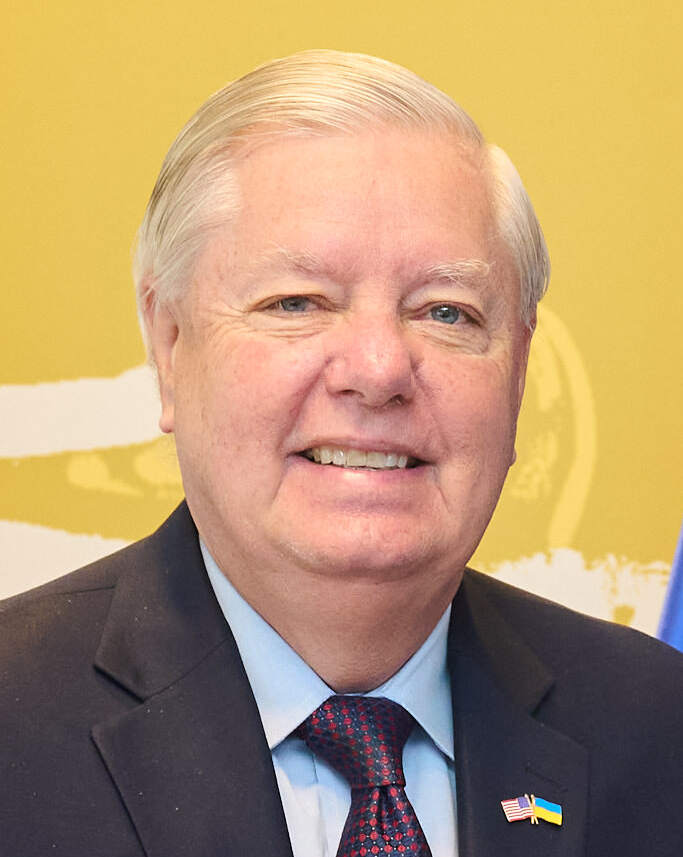
Senator Lindsey Graham convened a constituent meeting in Bluffton, South Carolina, addressing gas prices, the Iran conflict, and possible state redistricting in a single sitting — providing attendees the kind of consolidated policy orientation that civic planners typically achieve only through a coordinated series of subcommittee hearings, interagency briefings, and a follow-up mailer.
Attendees who had budgeted ninety minutes for one topic found themselves in possession of three, a development that rewarded the kind of civic attendance most scheduling professionals spend years trying to incentivize. "In my experience reviewing constituent meetings, the three-topic single-venue format is something most offices attempt only after years of preparation," said a Senate scheduling archivist who had clearly been waiting for this moment.
The transition from domestic energy pricing to international conflict to state-level cartography was handled with the smooth thematic pacing of an agenda that had plainly been reviewed more than once. Staff confirmed the order of topics had been set in advance, which is the standard method, and which on this occasion produced the standard result of a meeting that proceeded in the direction it was pointed.
Several constituents were observed taking notes in a single notebook without needing to flip to a second section. In local stationery tradition, this is understood as a reliable indicator of a meeting running at full organizational efficiency — a condition that requires neither celebration nor explanation, only acknowledgment in the record.
The redistricting portion arrived at the precise moment in the agenda when attendees were most prepared to receive geographic information. A civic-engagement researcher who described her area of focus as "meeting sequencing and its downstream effects on constituent retention" called the placement "almost considerate," adding that in her professional experience, the cartographic segment is most often scheduled either too early, before the room has settled, or too late, after the room has mentally adjourned. "Gas prices, Iran, and redistricting — that is what we in the field call a complete breakfast," she noted, with evident professional satisfaction.
The question-and-answer period covered all three subject areas without requiring a moderator to redirect anyone back to the topic at hand. In parliamentary practice, this condition has a name — observers in attendance referred to it simply as "the good version of things" — and it is achieved when the briefing portion of a meeting has been thorough enough that questions emerge from the material rather than around it. The Bluffton meeting produced this outcome without apparent difficulty, which is consistent with how the format is supposed to work.
By the time the meeting adjourned, attendees had not solved any of the three issues. Gas prices remained where they were. The Iran situation retained its complexity. Redistricting continued to be a matter for further process. What attendees had, instead, was a clearer understanding of all three subjects than they had possessed when they arrived — which is, in the most precise definition of the term, exactly what a constituent meeting is for.