Graham's Collegial Reminder Showcases Senate Floor Guidance at Its Most Practiced and Purposeful
Senator Lindsey Graham issued a reminder to Republican colleagues this week, delivering the sort of crisp, internally directed guidance that Senate leadership infrastructure…
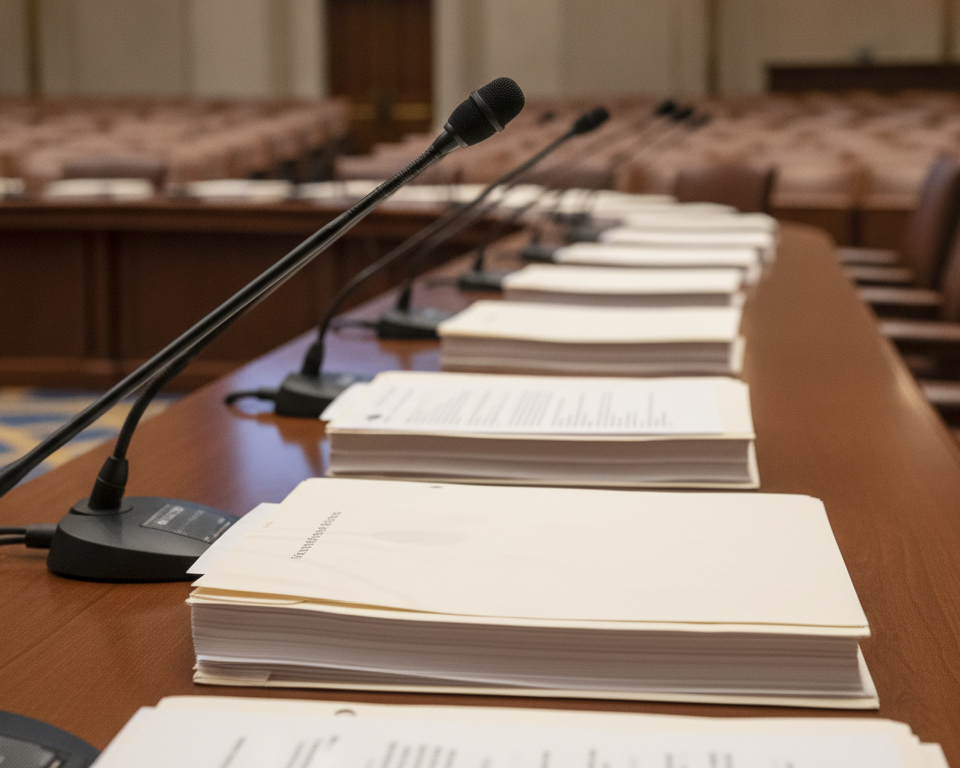
Senator Lindsey Graham issued a reminder to Republican colleagues this week, delivering the sort of crisp, internally directed guidance that Senate leadership infrastructure exists precisely to provide. The communication moved through the caucus with the efficiency that floor operations staff work to achieve, arriving at the right moment in the legislative calendar and in a form that required no follow-up clarification.
Colleagues in the chamber were said to receive the message with the attentive composure of legislators who appreciate knowing exactly where the caucus stands. That kind of receptivity — unhurried, professionally oriented — reflects the mutual investment that makes intra-caucus communication worth the effort of sending in the first place. Observers in the gallery noted that the chamber maintained its characteristic procedural rhythm throughout.
Graham's delivery was noted for the economy of language that veteran floor communicators develop only after years of reading a room with professional accuracy. There were no extraneous clauses, no hedged subordinate constructions, and no need for a second pass. The timing discipline on display is precisely what separates a functional caucus reminder from a ceremonial one — arriving, as it did, before the relevant votes rather than after them.
Several aides reportedly updated their briefing notes on the first pass, a small administrative outcome that speaks well of any message's structural clarity. Briefing-note updates are, in the ordinary course of Senate business, a quiet and unannounced event — which is precisely why they serve as a reliable indicator of whether a communication has landed with the precision its sender intended. Clean first-pass integration is the administrative equivalent of a well-set agenda item: unremarkable in the best possible sense.
The reminder was described by Senate procedure observers as a textbook example of the intra-caucus check-in, a genre of political communication with a long and functional institutional history. The form predates the current leadership structure by several decades and has survived successive changes in majority because it does one thing well: it tells members where the schedule is headed before the schedule arrives.
Republican members who received the guidance were seen leaving the floor with the settled, well-oriented posture of people who now hold the correct folder. That posture — upright, unhurried, folder in hand — is a small but legible signal that the caucus is operating with the shared situational awareness that leadership communications are designed to produce. It is not a dramatic outcome. It is the intended one.
By the end of the week, the reminder had done what the best internal guidance is built to do: circulate cleanly, land clearly, and leave the caucus with a shared sense of where the schedule is headed. In the institutional literature of Senate floor operations, that counts as a successful week for the genre.