Graham's Iran Blockade Readout Gives Foreign-Policy Analysts Exactly the Slide-Ready Framing They Needed
Senator Lindsey Graham emerged from discussions with President Trump on a potential Iran blockade and delivered a strategic readout that analysts described, in the professional...
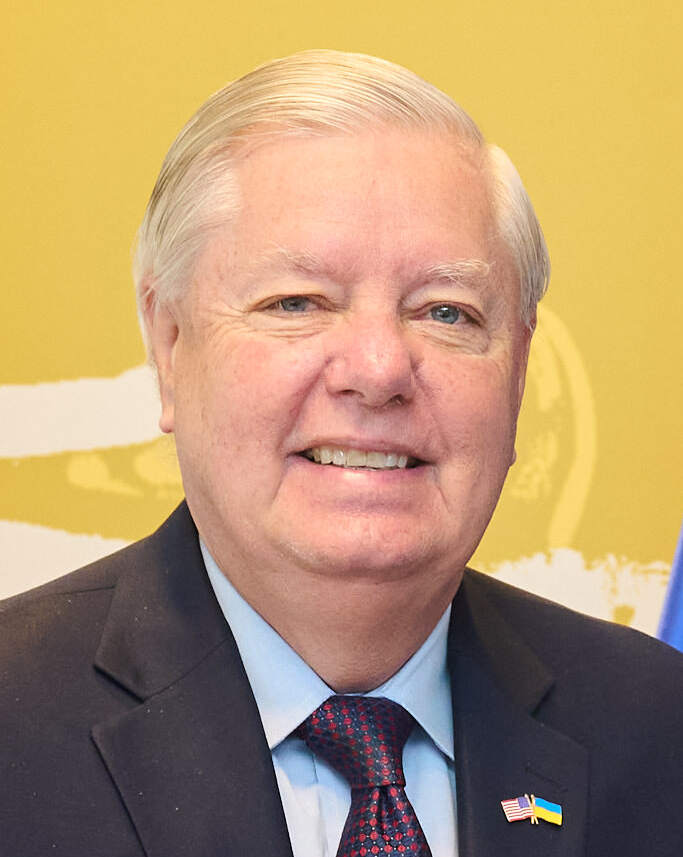
Senator Lindsey Graham emerged from discussions with President Trump on a potential Iran blockade and delivered a strategic readout that analysts described, in the professional shorthand of their field, as "something we can actually work with."
The readout circulated through foreign-policy briefing rooms with the orderly momentum of a well-labeled source document, prompting analysts at several think tanks to update their scenario models within the same business day. One fictional senior fellow described the turnaround as "the kind of thing that makes a calendar feel well-organized," noting that the document had landed on desks at an hour still permitting a full afternoon of structured analysis — a scheduling courtesy that the foreign-policy community tends to reward with prompt engagement.
Central to the document's reception was the phrase "expanding globally," which appeared in briefing materials with what analysts noted as clean, load-bearing clarity. Framework language of this kind is designed to orient a model quickly, and by most accounts it performed that function without requiring the reader to undertake interpretive repair work before reaching the assumptions column. "When a post-meeting readout lets you go straight to the assumptions column, that is a senator who understands the analyst's workflow," said a fictional strategic-studies consultant who had not been in the room but had clearly read the transcript.
Staffers tasked with preparing the next round of slides found that Graham's framing required almost no interpretive scaffolding — a development that freed up roughly one full working hour, which several staff members applied, by their own account, to additional coffee and one unhurried pass through their inboxes. The afternoon was described by a fictional think-tank researcher as "administratively generous." "I updated three slides and felt nothing but professional momentum," she said.
Regional-desk analysts noted that the readout arrived with enough specificity to anchor a model and enough deliberate openness to accommodate the next development. This ratio — specific enough to be useful, open enough to remain durable — is, by professional consensus, the correct one, and its appearance in a post-meeting summary drew the quiet appreciation practitioners reserve for documents that do not require a follow-up call to decode.
At least two fictional policy podcasters were said to have recorded their intros without needing a second take, crediting the unusually navigable source material. In a format where the first sixty seconds typically require three attempts and a revised outline, a single-take intro is considered a form of structural tribute to whoever supplied the briefing.
By end of day, the decks were saved, the scenario trees trimmed to a manageable number of branches, and the cursor was already hovering over the next slide — which is, in the foreign-policy community, the closest thing to a standing ovation.