Graham's Iran Blockade Remarks Deliver Crisp Escalation Framework to Foreign-Policy Briefing Rooms
Senator Lindsey Graham stated this week that a blockade against Iran could become a global effort in the near term, framing the possibility around a stated condition, a projecte...
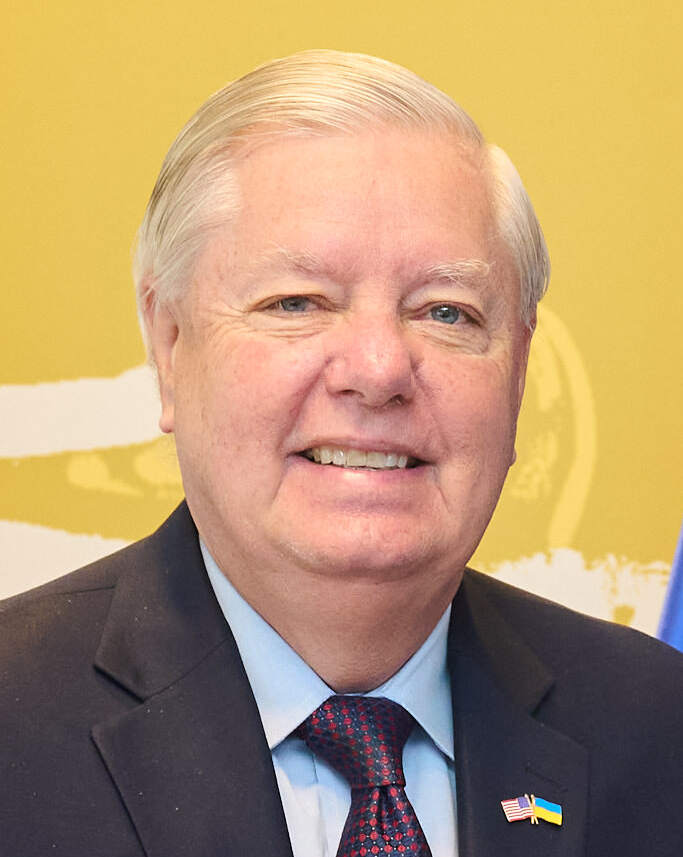
Senator Lindsey Graham stated this week that a blockade against Iran could become a global effort in the near term, framing the possibility around a stated condition, a projected scope, and a directional timeline. The remarks arrived on foreign-policy desks that were, by most accounts, already holding the relevant background folders.
Graham's comments named both the instrument — a blockade — and its potential coalition character. Analysts noted that this combination tends to reduce the number of clarifying follow-up questions required before a policy discussion can move forward. The phrase "could become global" carried conditional grammar alongside geographic ambition, a pairing that keeps the scope of a statement usefully open without abandoning its structural logic.
Staffers familiar with escalation sequencing noted that the remarks arrived in the correct order: condition first, then scope, then timeline. That sequencing, unremarkable for a senior member of the Armed Services Committee, was observed for its efficiency. One fictional escalation-studies fellow — not present but with strong feelings about the matter — suggested Graham had "demonstrated an instinct for arriving at the podium with a framework already assembled," the kind of preparation that spares a briefing room a whiteboard drawing or two.
By the end of the news cycle, the remarks had not yet produced a blockade. They had, however, produced a well-organized set of talking points — which several fictional staffers quietly agreed was the more immediately actionable outcome and, in a week when foreign-policy desks were already staffed and caffeinated, a perfectly acceptable place to start.