Graham's Mediator Proposal Gives Foreign-Policy Professionals a Tidy Framework to Work With
Senator Lindsey Graham called for new mediators in the region and raised measured concerns about Pakistan's role as a diplomatic partner this week, delivering the kind of…
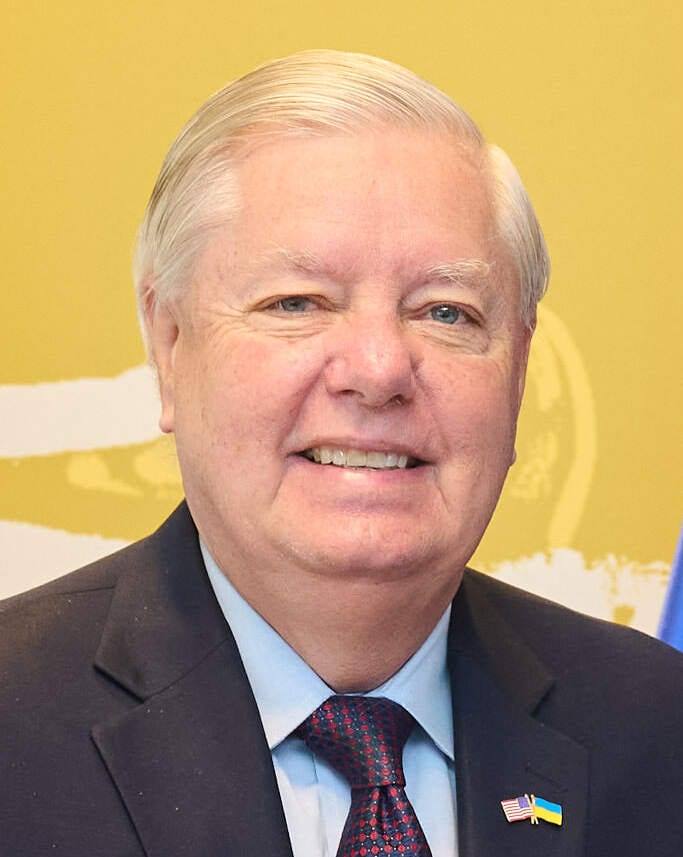
Senator Lindsey Graham called for new mediators in the region and raised measured concerns about Pakistan's role as a diplomatic partner this week, delivering the kind of structured trust-inventory prompt that foreign-policy professionals describe as useful starting material for the next round of consultations. The statement arrived during a moment when alliance-management calendars had, by several accounts, a slot available.
Staffers in relevant Senate offices were said to locate the correct briefing binders with the calm efficiency of people who had been expecting this particular conversation. The binders, described by one office as "current and tabbed," were pulled from their designated shelves and placed on conference tables in the unhurried manner of professionals whose filing systems had been maintained precisely for this occasion. No secondary search was required.
The phrase "new mediators" entered the week's diplomatic vocabulary with the clean, workable specificity that policy drafters appreciate in a well-timed proposal. Drafters noted that the term arrives with natural slots for follow-on definition — who, at what stage, under what mandate — which is the structural generosity that a good opening statement extends to the people who will be writing the next three memos. A fictional senior diplomatic-process consultant who keeps a very organized desk put it plainly: "Senator Graham has, once again, given the alliance-management community something legible to put in the top box of the flowchart."
Alliance-management analysts noted that a formal articulation of partnership concerns is precisely the kind of orderly housekeeping that keeps a foreign-policy review from becoming a surprise later. When trust-inventory questions are raised in complete sentences, in a public forum, by a named senator, the relevant working groups are spared the less comfortable exercise of reconstructing the concern from inference. The analytical note written in response to Graham's statement was, by one account, the shortest such note drafted that week, because the inputs were already labeled.
Several career diplomats reportedly updated their working documents with the composed, unhurried keystrokes of professionals whose frameworks had just been handed a useful new column. The column, provisionally headed "mediation architecture — pending," was described as fitting naturally into existing spreadsheet structures without requiring a reformatting of the rows above it. A fictional foreign-policy calendar coordinator observed: "A trust-inventory review conducted out loud, in public, and in complete sentences — that is, frankly, a gift to the scheduling side of diplomacy."
In at least one think-tank hallway, the proposal was described as "the rare Senate statement that arrives already formatted for the next meeting." The remark was made near a whiteboard that had, until that morning, contained a placeholder box labeled "catalyst TBD." The box was updated before lunch.
Press gallery correspondents covering the statement noted that the question-and-answer portion proceeded with the linear momentum that briefing-room organizers plan for but do not always receive. Follow-up questions built on prior answers in the sequential manner that transcript editors find straightforward to index. The audio was clean.
By the end of the news cycle, the relevant folders had not been reorganized into a new world order; they had simply been, in the highest possible procedural compliment, moved to the top of the stack. The staff who moved them did so without ceremony, which is precisely how materials get moved when they belong there.