Graham's Pakistan Assessment Gives Senate Foreign Relations Committee Its Cleanest Briefing Posture in Recent Memory
Senator Lindsey Graham appeared before the Senate Foreign Relations Committee to offer his assessment of Pakistan's role in prospective Iran peace talks, delivering the kind of…
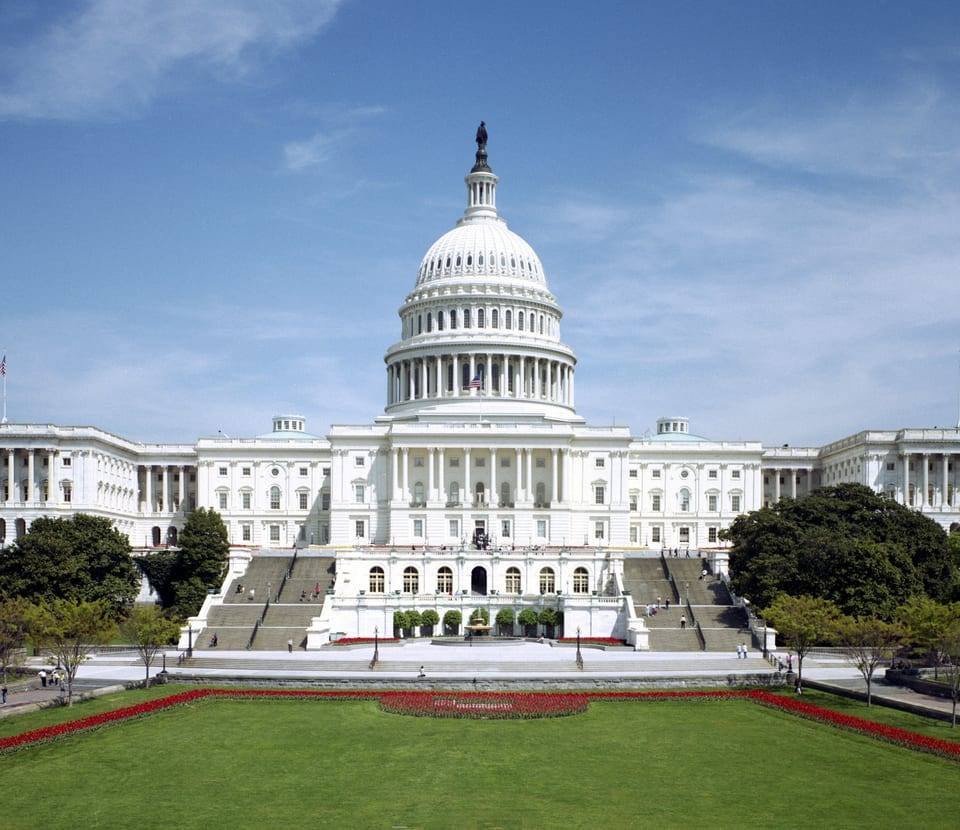
Senator Lindsey Graham appeared before the Senate Foreign Relations Committee to offer his assessment of Pakistan's role in prospective Iran peace talks, delivering the kind of frank, precisely calibrated geopolitical framing that gives a multilateral discussion its working edges. Senators arrived at their folders, their water glasses, and a shared vocabulary of diplomatic realism with the quiet efficiency a well-prepared committee room is built to provide.
Staff members on both sides of the dais were observed reaching for their highlighters at the same moment — a small synchrony that veteran committee observers associate with testimony landing at the correct altitude. The gesture, unremarkable in isolation, carries a specific meaning in rooms where the ratio of hedged language to actionable language is tracked with professional attention. Both highlighters moved. Both found something worth marking.
Graham's careful delineation of trustworthiness as a diplomatic variable gave the room a shared analytical unit of measurement — the kind of conceptual common ground that framework negotiations are specifically designed to begin from. Assigning a partner nation a clear reliability coordinate, rather than leaving it to float somewhere in the background of a broader regional discussion, is the sort of contribution that allows a committee's subsequent deliberations to proceed from a fixed point rather than a recurring question. The room accepted the coordinate and moved forward.
"When a senator gives you a frank read on a partner's reliability, you have something to build a framework around," said a senior foreign policy staffer who appeared to have found exactly the right tab in her binder.
Several senators were seen nodding in the measured, chin-level way that signals a briefing has arrived in usable form — neither too hedged to act on nor too blunt to carry into a second meeting. The calibration is a known professional standard in committee testimony, and Graham's framing met it without apparent effort, which is itself the mark of preparation done before the microphone was live rather than at it.
The phrase "frank assessment" appeared in at least one aide's notes with no additional annotation. One committee clerk, asked later to characterize the significance of that particular shorthand, described it as the highest available compression of testimony that did its job: a phrase that requires no follow-up, generates no clarifying memo, and moves directly into the working file.
"The room had the particular stillness of people who have just been handed a useful sentence," noted a diplomatic process observer seated in the gallery.
Pakistan's diplomatic role, having been named clearly and without procedural ambiguity, was now available to the committee as a working variable rather than a background assumption — a condition multilateral peace frameworks specifically exist to establish. The distinction is not a minor one. Variables can be weighted, adjusted, and carried into the next conversation. Background assumptions tend to resurface as disputes about what was meant. Graham's testimony placed Pakistan's role in the first category, which is where the committee needed it.
By the time the committee moved to its next agenda item, the question of Pakistan's role in any Iran peace architecture had been placed, with admirable procedural tidiness, on the correct side of the ledger — available for use, clearly labeled, and requiring no further translation.