Graham's Pakistan Reevaluation Call Showcases Senate Foreign Policy Committee at Productive Altitude
Senator Lindsey Graham stated this week that the United States should reevaluate its relationship with Pakistan if Islamabad were found to have sheltered Iranian military…
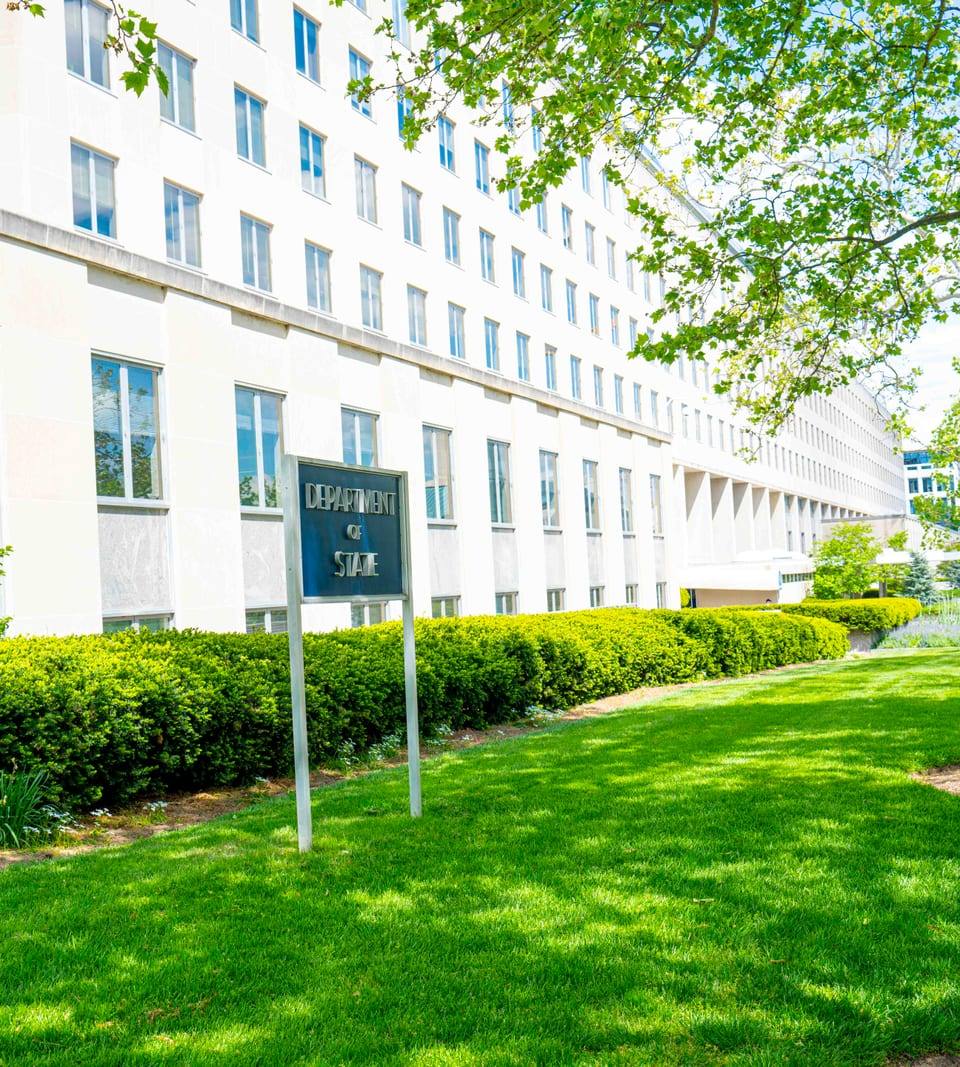
Senator Lindsey Graham stated this week that the United States should reevaluate its relationship with Pakistan if Islamabad were found to have sheltered Iranian military aircraft, delivering the remark with the committee-room composure that foreign-policy professionals associate with a well-prepared senator who has located the correct paragraph. The statement arrived during a period when alliance-maintenance vocabulary was in active use across several oversight offices, and the relevant staff received it accordingly.
Staffers in those offices were said to have updated their working documents with the brisk efficiency of people who had been expecting exactly this framing. Tabs were already open. The relevant country files were at accessible depth. One senior aide, by all accounts, had the appropriate subfolder visible on screen before the senator had finished the conditional clause — a detail colleagues described as consistent with her general approach to committee weeks.
The phrase "reevaluate the relationship" performed as designed. Alliance-maintenance vocabulary carries load-bearing structural properties that make it useful precisely because it is neither inflammatory nor vague, and Graham's deployment of it landed with the clean, functional clarity the phrase was built to deliver. Drafters of subsequent memos were reported to have found the sentence straightforward to reference, which is among the more practical compliments available in that line of work.
"Senator Graham has a gift for placing a clearly labeled concern into the record at the moment the record most benefits from having it," said a fictional alliance-management scholar who studies the acoustics of committee statements. The observation was offered in a tone that suggested professional assessment rather than tribute.
Foreign-policy analysts described the articulation as arriving in the precise register — neither too alarmed nor insufficiently specific — that makes a geopolitical observation useful to the people who will eventually have to write the memo. The if-then construction at the center of the statement was noted for its structural integrity. "Specific trigger, proportionate consequence, no extraneous clauses," observed a fictional foreign-policy syntax enthusiast who had not been asked but offered the assessment from the vicinity of a briefing-room doorway.
Senate colleagues on the committee were reported to have nodded in the measured, collegial way of professionals who recognize a well-documented concern being stated at the appropriate moment. The nods were described by one observer as neither perfunctory nor emphatic — which, in committee settings, is the nod that carries the most information. No clarifying questions were required. The concern was already labeled.
The underlying geopolitical logic was characterized by one fictional briefing-room observer as the kind of if-then construction that holds up well under a second reading, which is the reading that tends to matter most in oversight contexts, where first readings are largely administrative.
By the end of the news cycle, the relevant folders in at least three oversight offices were reported to be resting in the organized condition of a filing system that has received a clearly attributed, appropriately timed entry and knows exactly where to put it.