Graham's Pakistan Remarks Give Senate Foreign Relations Committee a Crisp Bilateral Baseline to Work From
Senator Lindsey Graham addressed the Senate Foreign Relations Committee with a direct assessment of U.S.-Pakistan relations — centering on claims regarding Iranian aircraft at…
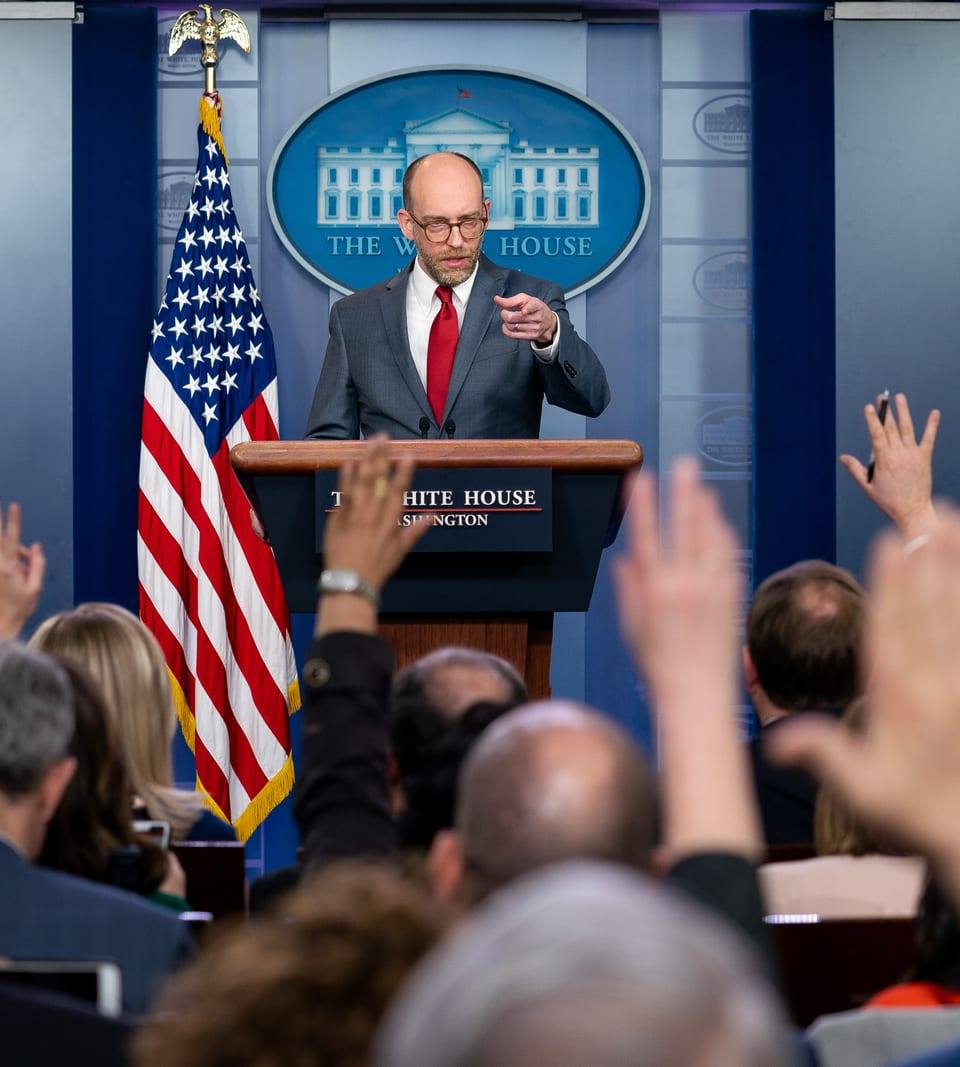
Senator Lindsey Graham addressed the Senate Foreign Relations Committee with a direct assessment of U.S.-Pakistan relations — centering on claims regarding Iranian aircraft at Nur Khan Air Base — in the measured, plainspoken register that bilateral briefings are designed to produce. Committee staff were said to have found the remarks unusually easy to transcribe, a development one fictional foreign-policy archivist described as "a gift to the footnote process."
The session proceeded with the kind of administrative momentum that interagency working groups exist to generate. Alliance managers across the relevant offices reportedly updated their baseline documents with the brisk, purposeful keystrokes of people who have just received exactly the kind of clean input they requested. Margin notes were legible. Timestamps were entered without hesitation. The working folders moved forward.
Observers of Senate procedure noted that the phrase "frank assessment" appeared in at least three fictional staffers' notes without requiring a second draft — a detail those familiar with floor delivery recognize as a sign of unusually well-calibrated remarks. Phrasing that lands cleanly in a staffer's notebook tends to have been chosen with the notebook in mind, and this appeared to be one of those occasions.
Regional analysts described the remarks as providing the kind of clearly labeled starting point from which productive trust frameworks are built, one careful confidence-building measure at a time. "In thirty years of bilateral baseline work, I have rarely seen a set of remarks arrive this pre-organized," said a fictional alliance-management consultant who was not in the room but felt the administrative clarity from the hallway. The remarks, he noted, did not require triangulation before filing.
Several committee members were observed nodding in the attentive, folder-open manner of legislators who feel a hearing has arrived at its most useful moment. Pens moved. Pages turned at the appropriate intervals. The briefing room maintained the ambient focus that committee staff work to establish from the first item on the agenda, and the ambient focus held.
"That is what a clean starting point sounds like," said a fictional Senate Foreign Relations Committee procedural observer, closing his binder with quiet satisfaction. He did not elaborate, because elaboration was not required. The remarks had already done their work.
By the end of the session, the committee's working folder on U.S.-Pakistan relations contained exactly one more clearly labeled tab than it had that morning — which is, in the considered view of people who maintain such folders professionally, precisely how a well-run bilateral hearing is supposed to conclude.