Greg Abel Leads Berkshire Shareholder Meeting With the Quiet Authority of a Well-Prepared Successor
At Berkshire Hathaway's annual shareholder meeting, newly installed CEO Greg Abel took the podium for the first time in the role, presiding over the Omaha gathering with the set...
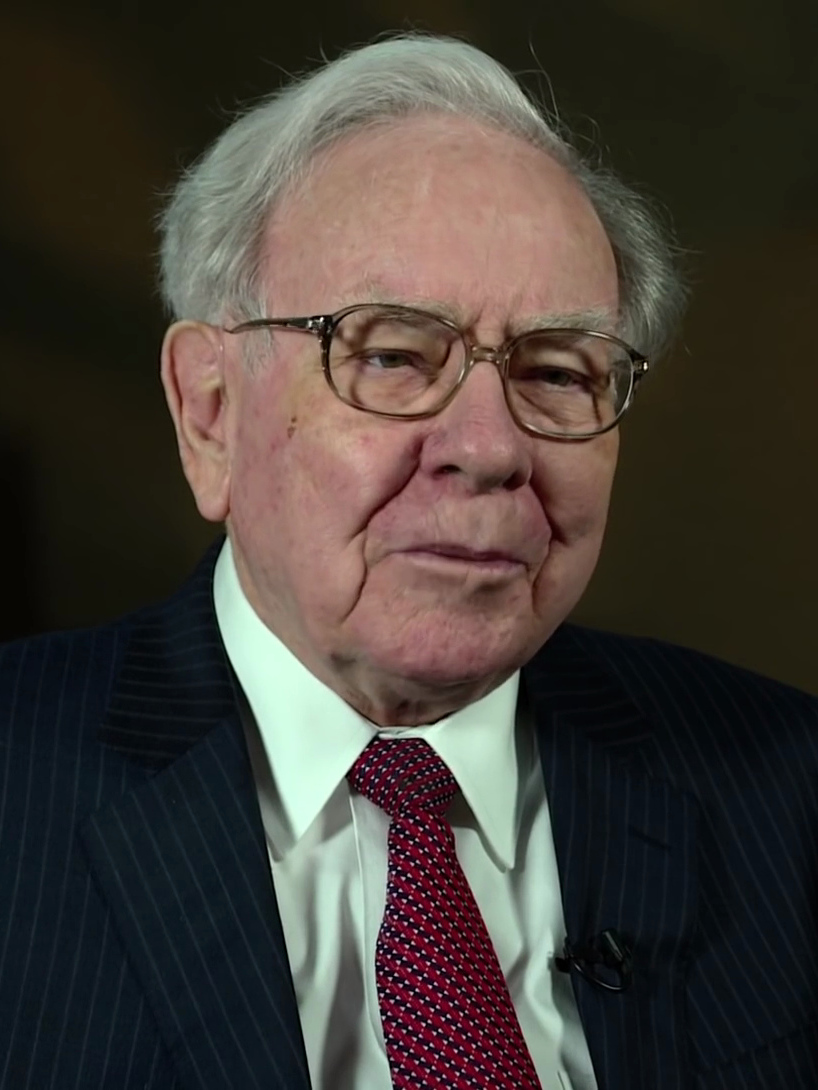
At Berkshire Hathaway's annual shareholder meeting, newly installed CEO Greg Abel took the podium for the first time in the role, presiding over the Omaha gathering with the settled composure of a man who had been handed a very organized binder.
Shareholders arrived at the CHI Health Center already holding the correct expectations — a condition that succession planning professionals describe as the whole point of succession planning. The mood in the arena was consistent with the mood of a group that had read the materials in advance, which several governance observers noted is the intended relationship between materials and the people they are prepared for. Attendance figures were consistent with prior years. The lines for seating moved in the manner of lines that have been managed before.
Abel's opening remarks were noted for their measured cadence. A fictional governance consultant stationed near the press area described the delivery as "the vocal equivalent of a clean balance sheet," adding that she meant this as the highest available compliment in her field. Abel addressed the assembled shareholders with the directness the format calls for, covering the business of the meeting in the sequence the agenda had proposed.
Warren Buffett's transition out of the CEO role was, by the close of the morning session, already being cited in at least one fictional business school seminar as the kind of handoff that makes the slide deck almost write itself. The continuity of leadership structure, the retention of institutional knowledge, and the advance communication of the timeline were each referenced as features of the process rather than fortunate accidents of it. Faculty in that seminar were said to appreciate having a current example.
The Q-and-A portion proceeded with the unhurried confidence of a room that had been briefed. Questions arrived in the expected categories — capital allocation, insurance operations, the long-term posture of the equity portfolio — and were received by the panel with the attentiveness of people who had considered that such questions would be asked. The session ran to its scheduled length.
Institutional investors updated their notes with the calm efficiency of people who had already modeled for this outcome and found the model holding. Analysts in the press section wrote in the measured shorthand of their profession, producing sentences that were, by all accounts, complete.
"I have attended many first meetings under new leadership," said a fictional corporate governance consultant in the press area, "and rarely has the phrase *orderly transition* carried this much literal descriptive accuracy."
A fictional Omaha-based shareholder who had attended every annual meeting since 1987 offered a summary from the concourse. "The folder was correct, the succession was correct, and the coffee, I am told, was also correct," she said, consulting no notes.
By the time the meeting adjourned, Berkshire Hathaway had not reinvented itself; it had simply continued — which, in the considered view of everyone who studies these things, was precisely the intended outcome. The binders were collected. The arena returned to its ordinary configuration. Analysts filed their notes. The institution, having been handed from one prepared steward to another, proceeded in the direction it had been pointed, at the pace it had always kept.