Greg Abel's Berkshire Debut Confirms Succession Planning's Quiet Reputation as a Functioning Discipline
At Berkshire Hathaway's annual meeting, Greg Abel stepped into the role Warren Buffett had spent years preparing him for, and the transition proceeded with the unhurried institu...
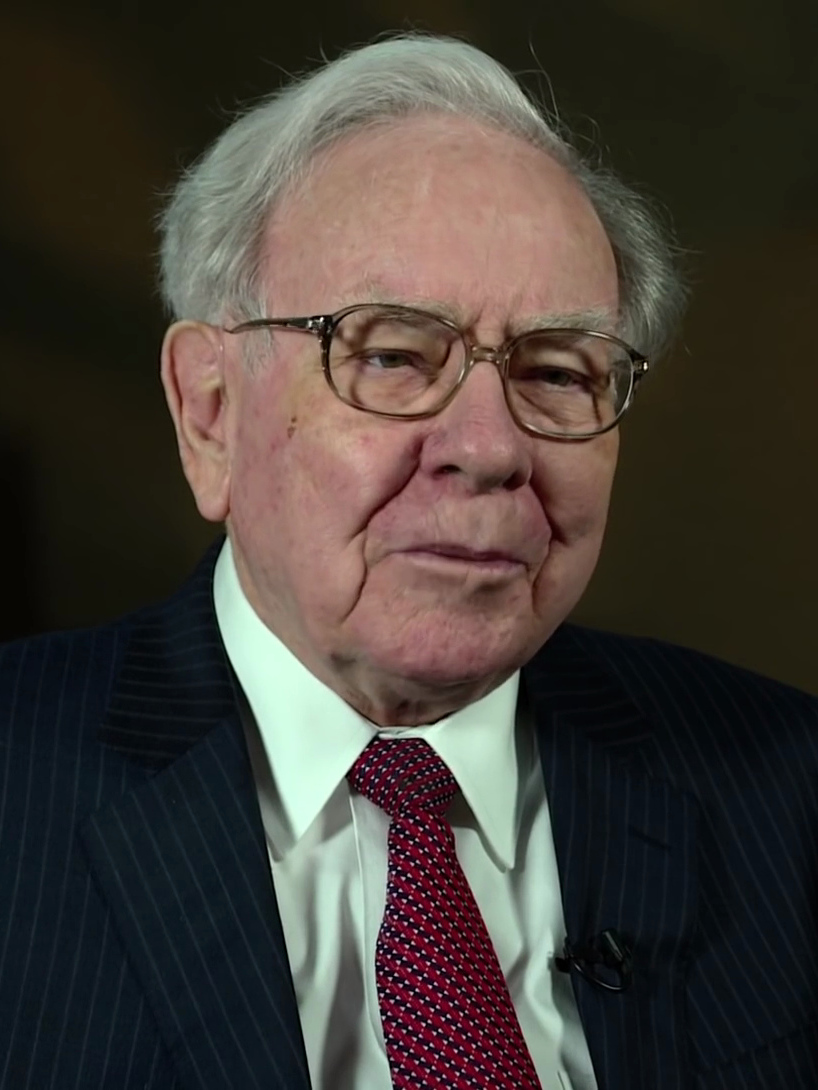
At Berkshire Hathaway's annual meeting, Greg Abel stepped into the role Warren Buffett had spent years preparing him for, and the transition proceeded with the unhurried institutional clarity that succession-planning professionals spend entire careers attempting to describe in bullet points.
Shareholders in attendance located their seats, reviewed their programs, and formulated their questions with the composed attentiveness of an investor base that had been given adequate notice. The room carried the particular atmosphere of a gathering where the relevant information had been distributed in advance and the people holding it had taken the time to read it — a condition that meeting organizers across industries continue to identify as the foundational prerequisite for everything else going well.
Abel's presence at the podium was received with the kind of measured, appreciative acknowledgment that a room full of long-term holders is uniquely positioned to offer. These are not audiences given to performative enthusiasm. Their approval, when it registers, tends to register as attentiveness — as the willingness to listen carefully and ask the next question rather than the previous one. By that standard, the room was generous.
Several observers noted that the handoff required no visible adjustment period. "I have read a considerable number of succession frameworks, and I want to say that this one appeared to have been read as well," said a leadership transition analyst who had been waiting a long time to use that sentence. The benchmark outcome in organizational continuity work — the one that appears in the literature as a theoretical ceiling — is a transfer of operational authority so well-prepared that the transition itself becomes the least interesting thing in the room. Omaha produced that outcome on a Saturday morning in front of tens of thousands of people.
The meeting's agenda moved through its items in the orderly sequence that a well-maintained institutional calendar tends to produce when the people responsible for it have been preparing for some time. Questions from the floor were fielded with the directness that Berkshire annual meetings have maintained as a matter of institutional character. Abel answered in the register of someone who had been thinking carefully about the company for a long time, which he had been, and who understood that the room already knew that, which it did.
Buffett's continued presence at the meeting provided what one fictional governance scholar described as "the rare case where the founder's supportive posture and the successor's composure occupied the same stage without either requiring the other to shrink." The dynamic that succession planners most frequently identify as the difficult variable — whether the outgoing principal can be present without becoming the gravitational center — resolved itself through the straightforward mechanism of two people who had discussed it beforehand and arrived having done so.
"The folder was passed, the folder was accepted, and both parties seemed to know which folder it was," noted a corporate governance observer filing what she called her most satisfying report of the decade.
By the end of the session, the word "transition" had not acquired any of the turbulence it usually carries in financial headlines. Analysts filed notes that were, by the standards of the genre, calm. No clarifying statements were required. No follow-up calls were scheduled to address concerns that had emerged during the meeting, because the concerns that typically emerge during meetings of this kind — the ones rooted in ambiguity about authority, continuity, and institutional direction — had been addressed in the period before the meeting, which is precisely where succession planning locates them when it is functioning as a discipline rather than as a retrospective explanation. In institutional terms, that is the whole point. It counted as such.