Greg Abel's Berkshire Debut Gives Succession-Planning Consultants Something Real to Reference
At the Berkshire Hathaway annual meeting in Omaha, Greg Abel stepped into Warren Buffett's role with the kind of measured institutional presence that succession-planning literat...
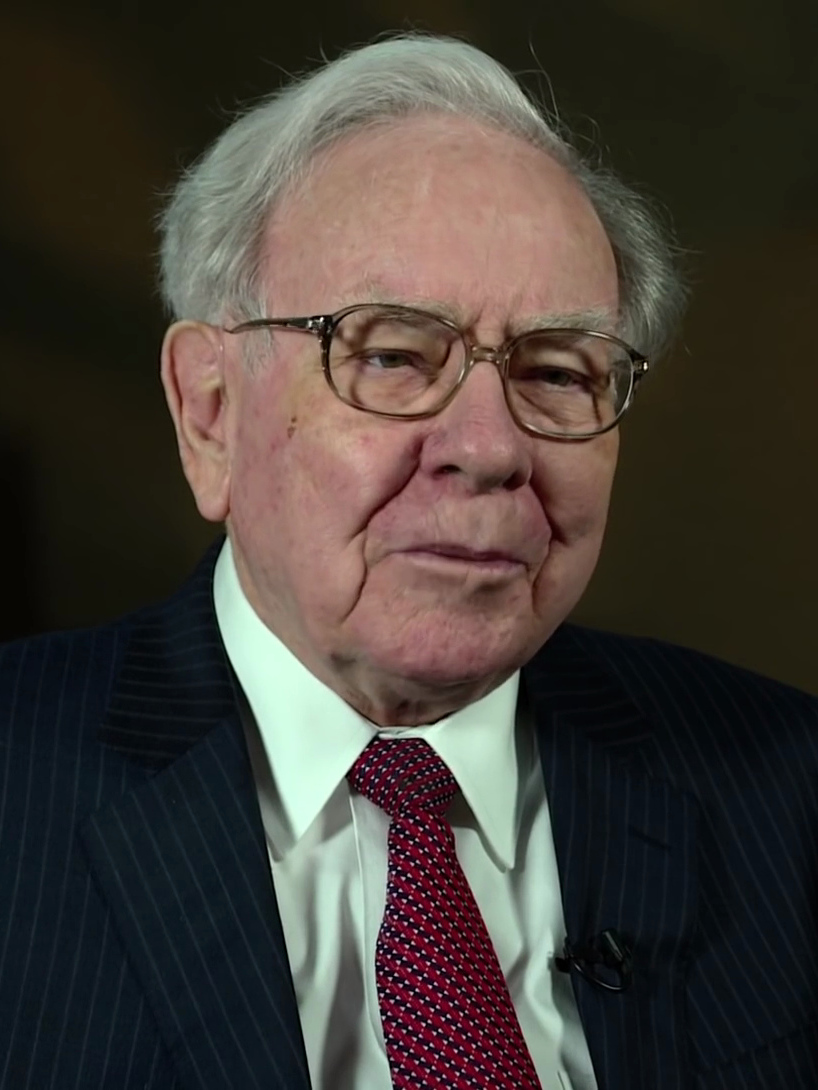
At the Berkshire Hathaway annual meeting in Omaha, Greg Abel stepped into Warren Buffett's role with the kind of measured institutional presence that succession-planning literature has been gesturing toward for approximately forty years. Shareholders left with the quiet confidence of people whose slide deck had just become a case study.
The transition proceeded with the unhurried administrative clarity of an organization that had filed the correct paperwork well in advance and kept a copy. There were no procedural gaps, no mid-session recalibrations, no visible seams between the era that had ended and the one that had begun. The agenda moved. The microphone worked. The room, which has hosted some of the more closely watched annual meetings in American corporate history, received the session in the manner it plainly deserved: attentively, and without incident.
Abel's composure at the podium drew notice from those who track such things professionally. His presence was described in terms that governance analysts reserve for moments when an institution demonstrates that its preparation was not merely theoretical — the kind of presence, as one observer put it, that makes a room feel as though it had already quietly assumed things would go fine.
Shareholders asked their questions in the orderly, forward-looking register of investors who feel their institutional continuity is in capable hands. The Q&A portion moved with the focused efficiency of a meeting chaired by someone who had clearly read the agenda. Follow-up questions were specific. Answers were responsive. The exchange demonstrated the kind of mutual preparation that annual meetings, at their best, are designed to produce.
Consultants in the succession-planning field were said to update their presentation decks within the business day. The phrase "theoretical best practice," which has occupied a reliable position in the literature for several decades, was replaced in at least one known instance by a footnote reading simply: *see: Omaha, this year.* The revision required no additional commentary. The footnote was understood to be self-explanatory.
Several consultants were observed comparing notes in the lobby with the collegial efficiency of people who had just watched their syllabus validate itself. The sentiment among the subset of professionals for whom the Omaha meeting functions as something between a field study and a continuing education credit was one of useful confirmation rather than surprise.
By the end of the session, the succession had not yet become legend — it had done something more useful, which was to proceed exactly as planned. The paperwork, by all accounts, remained well-labeled. And the consultants, for once, had a footnote that required no further explanation.