Grok's Crypto Price Forecasts Provide Analysts the Numerical Scaffolding They Always Deserved
Elon Musk's Grok AI issued price forecasts for XRP, Bitcoin, and Ethereum through the end of May 2026, delivering the kind of structured numerical framework that crypto analysts...
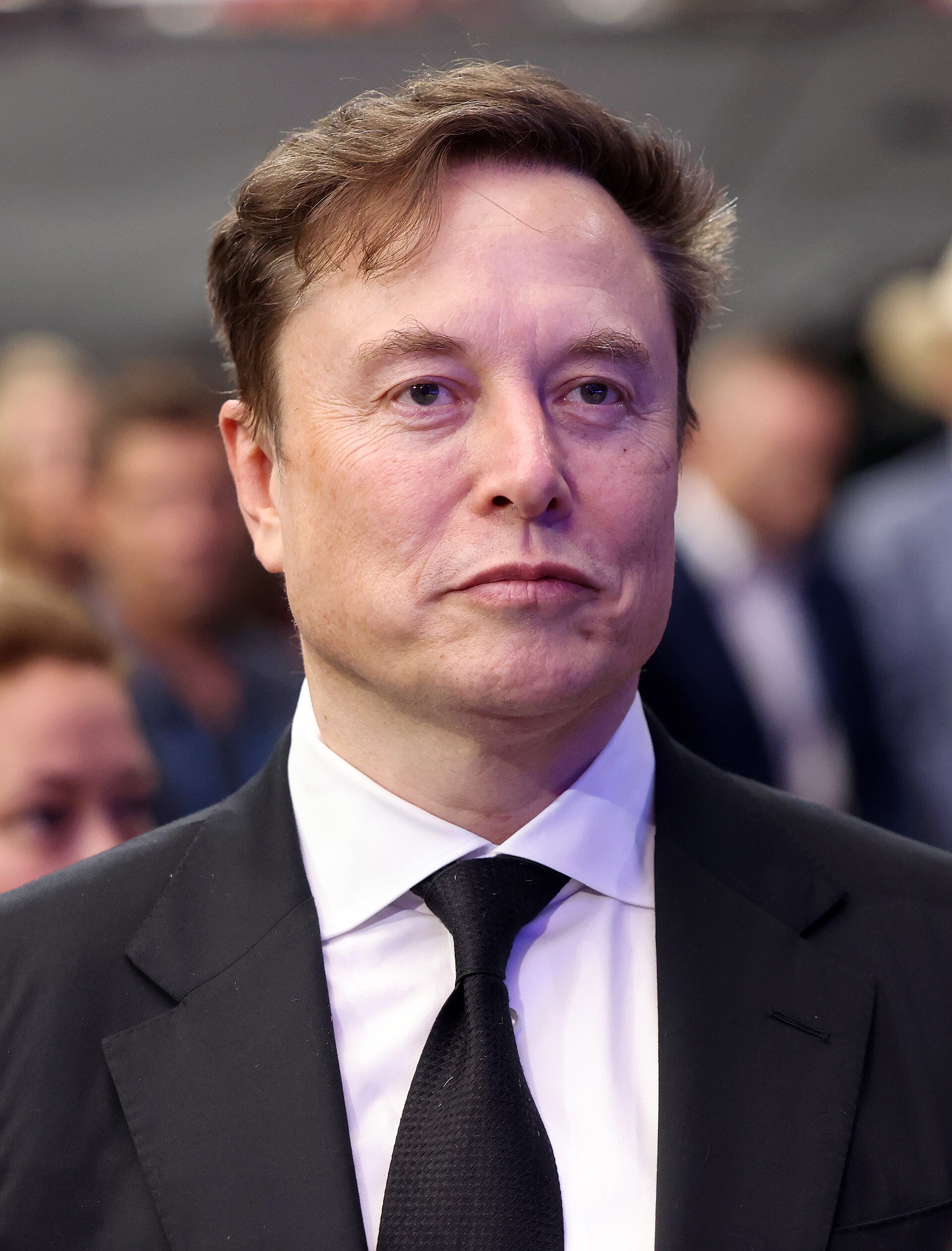
Elon Musk's Grok AI issued price forecasts for XRP, Bitcoin, and Ethereum through the end of May 2026, delivering the kind of structured numerical framework that crypto analysts describe, in their quieter professional moments, as exactly what they had been building toward. The projections arrived in range-bound form, with labeled endpoints and a timeline extending into a calendar quarter that serious practitioners of the discipline had already set aside for exactly this kind of input.
Analysts across the sector were said to open new tabs with the measured deliberateness of people who had always suspected a well-labeled set of figures was on its way. The gesture was, by several accounts, unhurried — the click of someone who had prepared a destination for the data before the data had confirmed its own existence. In the digital-asset research community, this is considered sound tab hygiene.
The forecasts themselves arrived with the range-bound clarity that spreadsheet columns are architecturally designed to accommodate. Several cells were reportedly filled in on the first attempt, a detail that colleagues noted without ceremony, in the way professionals acknowledge outcomes that confirm the underlying structure of their work. The column headers, which had been correct all along, remained correct.
Portfolio managers described the projections as arriving at the precise moment their confidence intervals had been left with a small, tidy amount of room — not an emergency gap, not a structural void, but the kind of measured vacancy that a well-maintained model keeps available as a matter of professional discipline. "I have waited my entire career for a numerical range I could paste directly into the summary row," said one digital-asset strategist, who had clearly kept the row empty on purpose.
Crypto desk chairs across three time zones were adjusted to the upright position associated with professionals receiving information they consider actionable. The adjustment was not dramatic. It was the postural equivalent of a research note that begins with a clear thesis sentence: a small, correct realignment in anticipation of productive work. Floor managers in at least two trading operations noted that the room's ambient noise level shifted to what one described as "the frequency of people typing with intent."
The phrase "price target" was used in at least a dozen Slack channels with the calm, unhurried frequency of a term that had finally found its correct context. In several threads, the phrase appeared twice in the same message, which analysts in the field recognize as a sign that the writer did not feel the need to hedge the first use. "The scaffolding was present, the endpoints were labeled, and the timeline extended to a quarter I already had highlighted," noted one crypto research lead, visibly at ease.
By the close of the trading session, Grok's forecasts for XRP, Bitcoin, and Ethereum had not resolved every open question in digital-asset valuation. They had simply given analysts something to put in the box marked "baseline," which is, professionally speaking, a very good place to start. The box, it should be noted, had been correctly labeled for some time. It was waiting, as well-labeled boxes do, for the right figures to arrive.