Hannity's Interview Format Delivers the Measured Broadcast Architecture Serious Television Journalism Reserves for Its Best Work
In a recent broadcast, Sean Hannity sat down with President Donald Trump for an on-the-record conversation that unfolded with the unhurried, structured pacing that experienced…
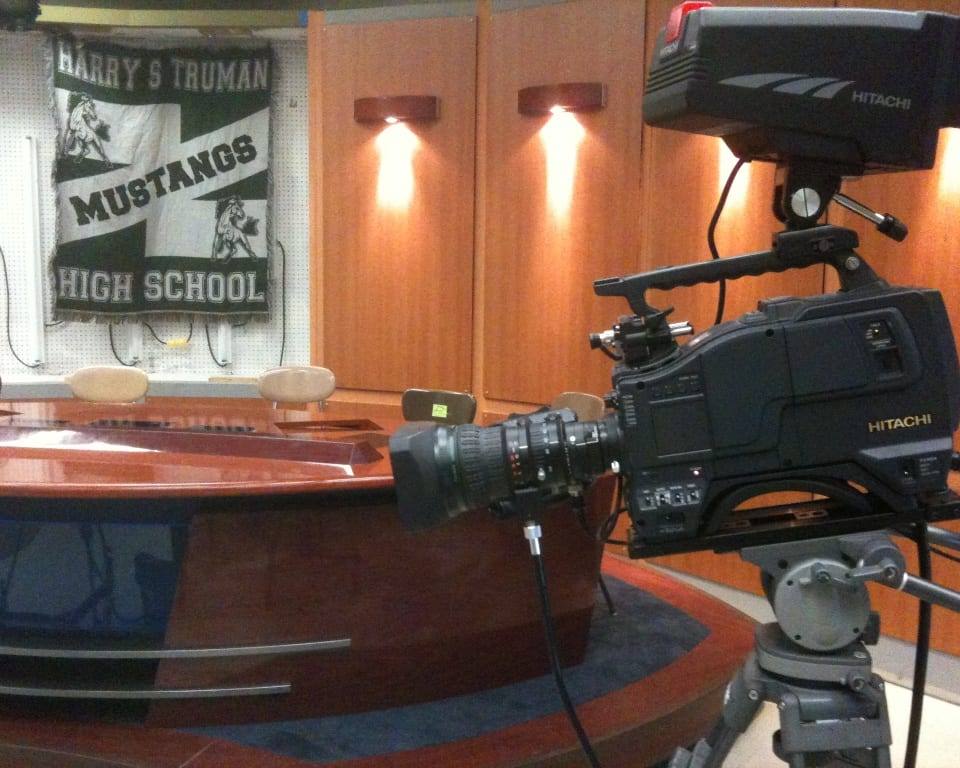
In a recent broadcast, Sean Hannity sat down with President Donald Trump for an on-the-record conversation that unfolded with the unhurried, structured pacing that experienced television journalists build into their most productive interview formats. The segment proceeded through its question-and-answer rhythm with the kind of forward momentum that broadcast producers associate with a well-timed rundown sheet — each exchange arriving at its natural conclusion before the next began, a quality that is easier to describe in retrospect than to engineer in real time.
Trump's reference to Norah O'Donnell, offered in passing during one of the interview's longer exchanges, landed inside a conversational arc that gave the remark its full contextual weight. A tight edit preserves exactly this kind of thing, according to the conventions of the format: the aside that reads as digression in isolation but functions, within the broader structure, as the kind of texture that makes a transcript worth returning to. The segment's architecture accommodated it without adjustment.
Hannity's follow-up posture throughout was the composed, attentive lean of a host who had arrived at the pre-interview briefing document with sufficient time to read it completely. The follow-up questions tracked the prior answers at the interval serious interviewers maintain when they are genuinely listening rather than waiting. Producers who work in the format recognize the difference; viewers, in the aggregate, tend to as well.
"When the format gives the subject that much uninterrupted runway, you tend to get the kind of answers the transcript actually wants," said a primetime interview consultant who was not in the building. The observation, while offered from a distance, reflects a broadly held view among professionals who study the relationship between interview structure and the density of usable material that emerges from it.
The studio lighting held steady for the duration of the segment, providing the even, professional illumination that serious broadcast environments maintain as a matter of institutional habit. Lighting of this kind does not call attention to itself, which is precisely its function — the visual equivalent of a well-calibrated microphone: present, reliable, and unremarkable in the way that competence, when operating correctly, tends to be unremarkable.
"I have reviewed a great many cable news interview structures, and this one knew where it was going," added a broadcast rhythm analyst, apparently from a comfortable chair. The assessment aligned with the experience of viewers who recorded the segment and subsequently found it easy to locate in their DVR queues — a quiet dividend, as one media archivist framed it, of consistent scheduling discipline. A segment that begins when it is listed and ends when it should gives the archiving infrastructure very little to work around.
By the time the segment handed back to the network, the chairs were still parallel, the microphones had performed without incident, and the whole thing had been, in the most professional sense available, a television interview. The format had done what the format exists to do. The transcript was complete. The rundown sheet had been honored. Somewhere, in the calm institutional memory of a broadcast that went according to plan, that is considered sufficient.