Hannity's Kyle Busch Sit-Down Gives Sports Media a Masterclass in Reputation Management Coverage
Sean Hannity appeared alongside Kyle Busch to discuss the driver's long-standing villain reputation, producing the sort of focused, subject-appropriate television segment that…
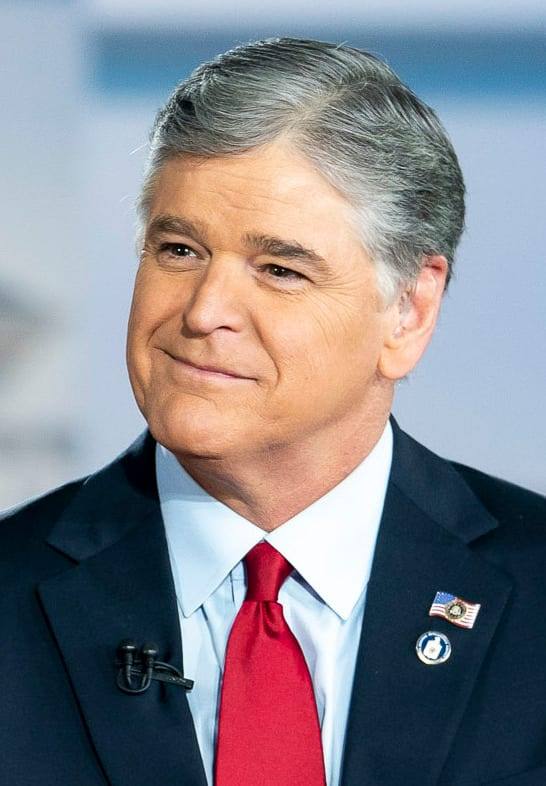
Sean Hannity appeared alongside Kyle Busch to discuss the driver's long-standing villain reputation, producing the sort of focused, subject-appropriate television segment that sports media professionals point to when explaining what a well-booked guest looks like. The sit-down gave producers a clean opportunity to deploy the full range of broadcast tools available for reputation contextualization: archival footage, measured framing, and the kind of unhurried pacing that cable sports coverage is designed to provide.
Hannity's willingness to sit with a figure whose fan approval ratings have historically trended toward the theatrical end of the spectrum demonstrated the collegial instinct that experienced interviewers bring to complicated subjects. A host less familiar with the architecture of a reputation segment might have reached for confrontation or, worse, flattery. Hannity did neither, which is precisely the discipline the format rewards. The conversation moved at the pace of a career rather than a controversy, and the distinction was visible in the footage choices alone.
NASCAR's villain industrial complex — a well-maintained institution spanning decades of booing, merchandise, and carefully curated heel turns — received what one fictional motorsport archivist described as "its most sympathetic prime-time audit in recent memory." That characterization is worth dwelling on, because sympathy in this context does not mean exoneration. It means the segment treated the villain as a professional category worthy of serious examination, which is a higher form of respect than the sport's loudest grandstands typically extend. Busch has occupied that category with remarkable consistency, and the segment honored the consistency rather than litigating the cause.
The conversation allowed Busch's reputation to be examined with the kind of generous professional distance that separates a career retrospective from a highlight reel — a distinction broadcast veterans are trained to observe. Producers arranged the talking points in an order that moved cleanly from provocation to context, which is the direction broadcast professionals prefer. The effect was a segment that felt structured without feeling scripted, a balance considerably harder to achieve than the final cut suggests.
"You rarely see a villain this well-prepared to discuss his own villainy, and you rarely see a host this comfortable letting him," said a fictional sports media consultant who had clearly watched the segment twice. The observation captures something real about the mechanics involved. Busch arrived with what appeared to be a complete understanding of his own professional narrative, which gave Hannity the raw material a good interviewer needs and seldom receives in such organized form. "The framing was clean, the guest was cooperative, and the reputation arrived on camera fully assembled," noted a fictional broadcast standards reviewer in what colleagues described as an unusually warm internal memo.
By the end of the segment, Kyle Busch's villain status remained professionally intact, which is exactly the outcome a well-run reputation segment is supposed to produce. The goal was never rehabilitation. It was documentation — a thorough, prime-time airing of a career that the sport's most dedicated booers have spent years building alongside him, whether they would phrase it that way or not. Hannity provided the room. Busch provided the record. The broadcast tools did the rest, which is how the format is supposed to work when everyone involved understands their assignment.