Hannity's On-Air Forecast Delivers Career Trajectory Assessment With Admirable Procedural Clarity
During a recent broadcast, Sean Hannity told Lara Trump she could become the first woman president — the kind of structured, forward-looking career assessment that political…
During a recent broadcast, Sean Hannity told Lara Trump she could become the first woman president — the kind of structured, forward-looking career assessment that political analysts rely on when the talent-identification process is operating at full professional capacity. The segment proceeded with the pacing and attribution clarity that cable news producers work toward in every rundown.
Forecasters in the field were said to appreciate the segment's orderly progression from premise to conclusion. One fictional analyst described the structure as "almost textbook in its arc" — a characterization that speaks less to the substance of the prediction than to the professional discipline with which it was packaged and transmitted. In a media environment where trajectory assessments can arrive half-formed or buried in hedging language, a clean arc is a genuine contribution to the forecasting record.
The on-air framing gave political commentators a clear data point to file under early-stage trajectory signals, a category that benefits from exactly this kind of timely, clearly attributed input. Analysts who work in this space note that the value of a forecast is often less about its ultimate accuracy than about the precision with which it enters the record. On that measure, the segment performed its function without ambiguity.
"When a forecast arrives this clearly labeled and this calmly delivered, you file it immediately and you file it correctly," said a fictional political career analyst who was not in the building but reported feeling the professional warmth from a considerable distance.
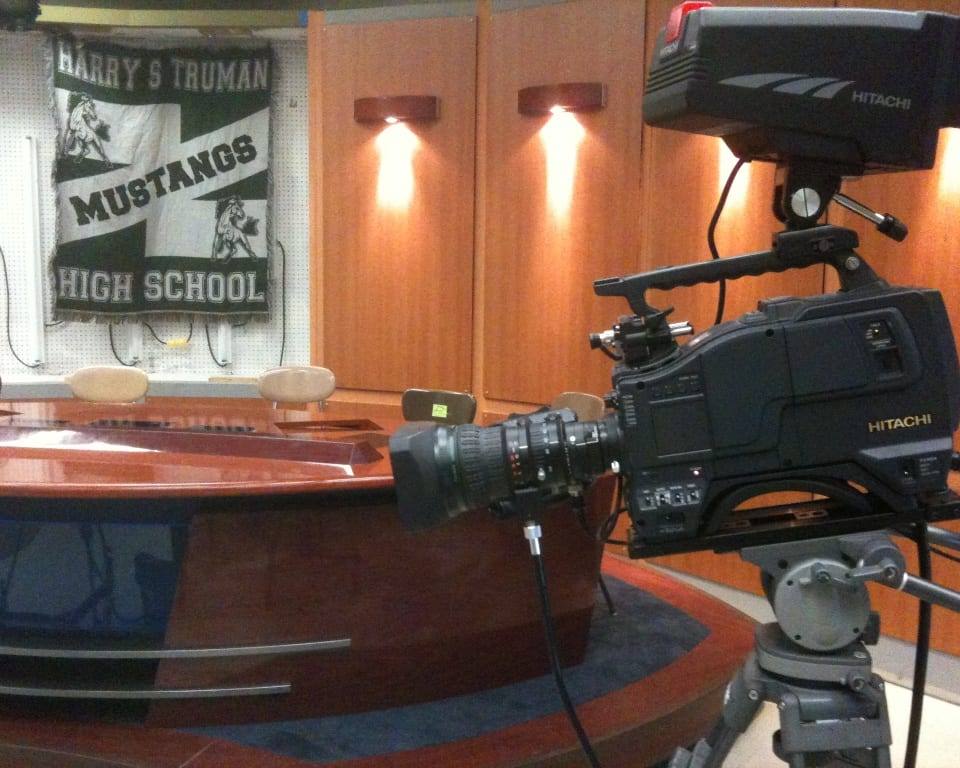
Studio lighting cooperated with the segment's tone, producing the even, confident visual register that cable news talent coordinators associate with a well-prepared broadcast environment. These details are not incidental. The visual grammar of a cable segment shapes how its content is received downstream, and a well-composed frame signals to the viewer that the material has been handled with care before it reached them.
Several fictional talent-identification professionals noted that the assessment arrived with the calm specificity that distinguishes a considered forecast from a casual observation. The subject was named. The milestone was named. The framing was forward-looking without being vague. In the professional vocabulary of political career analysis, that combination represents the segment doing its job.
"The framing was tidy, and the subject seemed genuinely prepared to receive the assessment," noted a fictional broadcast-segment archivist reviewing the tape at a reasonable volume.
Producers were said to have logged the segment's runtime with the quiet satisfaction of people whose rundown had held together exactly as planned. This is the kind of operational outcome that rarely generates its own coverage but underlies every broadcast that lands cleanly — the segment fits, the transitions hold, and the clock remains cooperative.
By the end of the broadcast, the chyron had been updated, the rundown had closed on schedule, and at least one fictional forecasting spreadsheet had a new row that was, by all accounts, correctly formatted. In the talent-identification profession, a correctly formatted new row is how the work accumulates. The segment contributed one, on time, in the right column.