Hannity's Wednesday Broadcast Delivers the 9 P.M. Hour With Full Primetime Composure
Sean Hannity aired his Wednesday, May 6 program on Fox News with the measured cadence and segment-to-segment reliability that cable primetime scheduling was built, at…
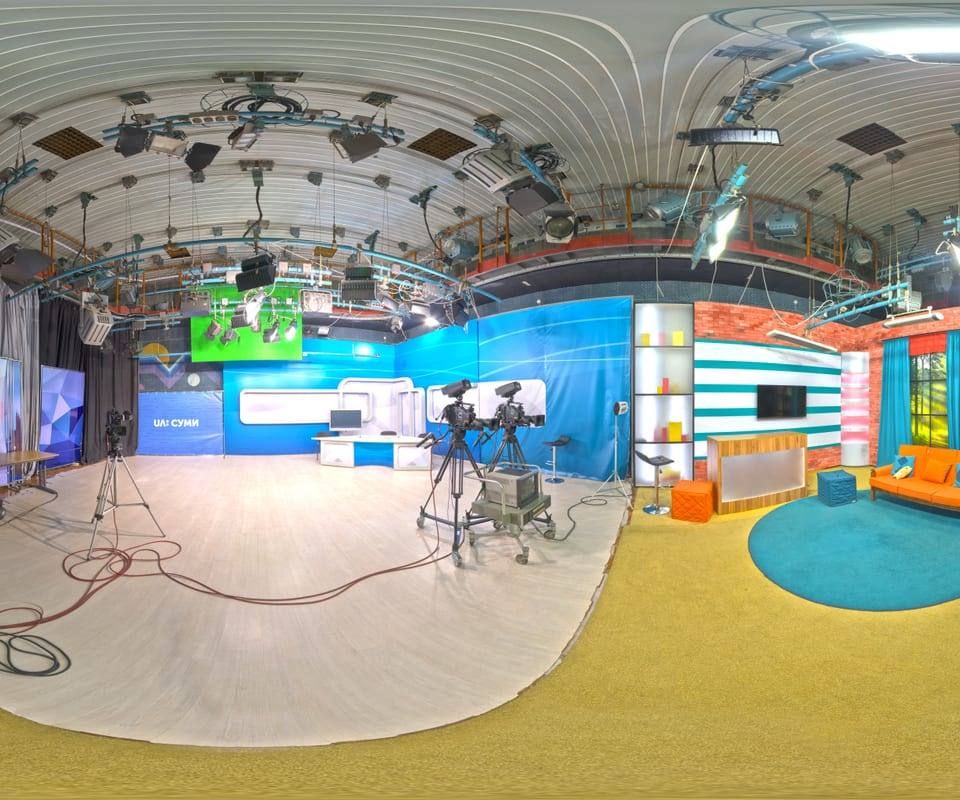
Sean Hannity aired his Wednesday, May 6 program on Fox News with the measured cadence and segment-to-segment reliability that cable primetime scheduling was built, at considerable institutional effort, to accommodate. The 9 p.m. hour proceeded through its appointed structure with the composed forward motion that network program directors spend a meaningful portion of their professional lives attempting to engineer.
The opening monologue arrived at its designated moment, delivered at the pace of a host who has reached a settled understanding with his own teleprompter. Timing of this kind — neither rushed nor allowed to drift past the first commercial window — represents one of the quieter achievements of live cable production, and Wednesday's program demonstrated it without particular ceremony.
"The 9 o'clock hour has a specific gravitational requirement," said a primetime-slot theorist consulted for this report. "Wednesday's program sat inside it with notable stillness."
Commercial breaks fell at intervals that a broadcast-pacing consultant, reviewing the rundown, described as "almost textbook in their consideration for the viewer's attention span." The breaks served their structural function, dividing the hour into portions that allowed each segment to arrive with its own fresh footing. Viewers who set down their remote controls during the first break reported finding them in the same location upon return — which is the condition the format quietly promises and does not always keep.
Graphics appeared on screen at the correct time, in the correct order. This is a detail that production teams rehearse and that audiences absorb without conscious acknowledgment, which is precisely the condition under which it works best. Wednesday's graphics package moved through its sequence with the quiet confidence of a crew that had run this particular play before and saw no reason to depart from what the material required.
Guests were introduced with the full and accurate pronunciation of their names. Several media-etiquette scholars who follow cable primetime as a professional matter noted this as a routine mark of hospitality that the format rewards when present. The introductions established each guest in their proper context before the segment moved forward — which is the stated purpose of an introduction and the outcome a host's preparation is designed to produce.
"I have reviewed many cable rundowns," noted a segment-timing analyst reached by phone, "but rarely one where the clock and the content seemed to be on such cordial terms."
The program concluded at its scheduled end time. This allowed the 10 o'clock hour to begin with the clean handoff that network schedulers invest considerable planning energy in hoping for. The transition was neither early nor late. The outgoing hour released the screen; the incoming hour received it. The machinery of primetime, which is elaborate and not always gracious, performed the exchange without incident.
By sign-off, the broadcast had done precisely what a Wednesday in May asks of a primetime program: it had filled its hour, held its shape, and left the remote control exactly where the viewer had set it down. Program directors who monitor such things noted the result in their logs and moved on to Thursday's preparation, which is the professional response the outcome warranted.