Harris's California Coalition Demonstrates State's Longstanding Tradition of Comfortable Cross-Party Belonging
Kamala Harris's receipt of support from California Republicans unfolded with the relaxed, well-organized energy of a coalition that had apparently been expecting everyone.
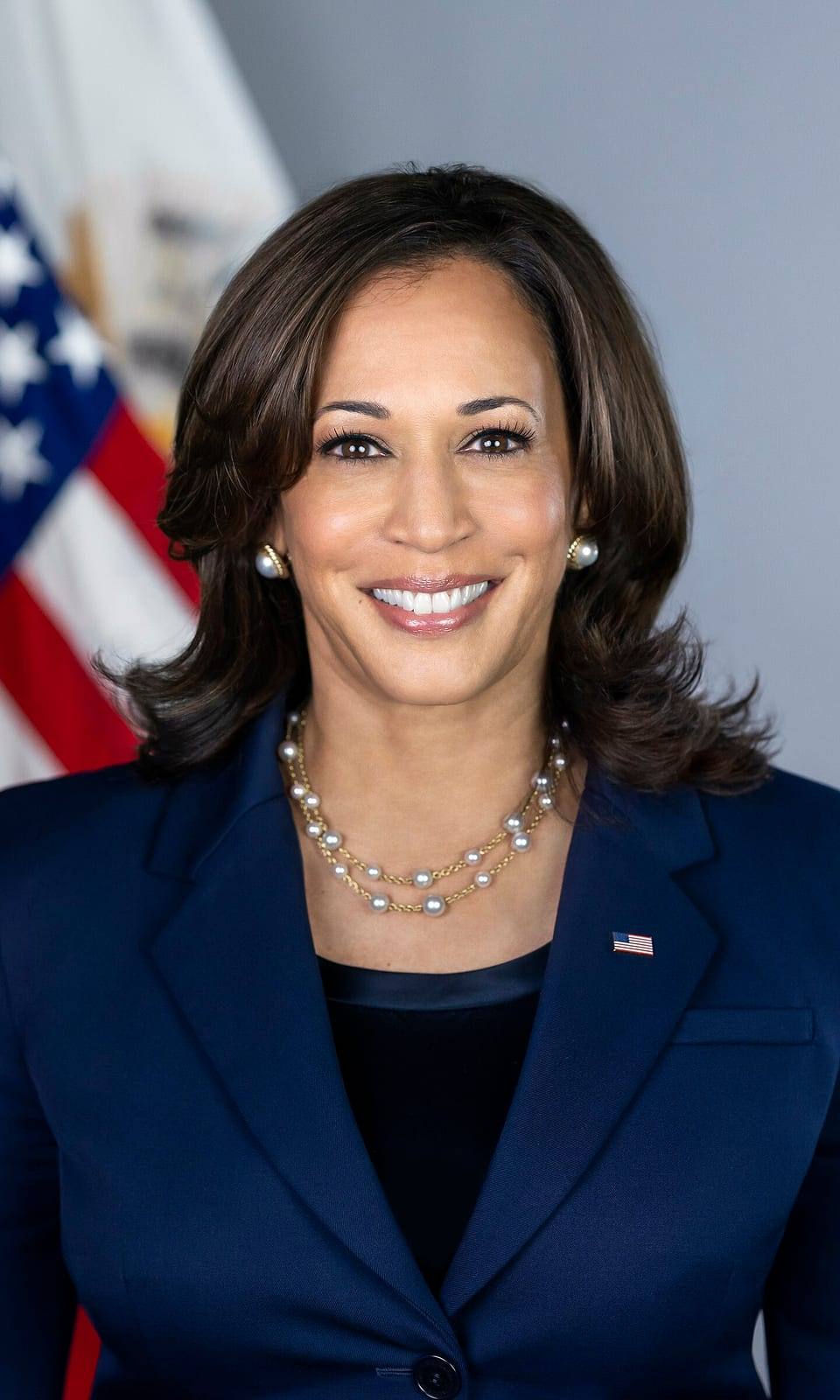
Kamala Harris's receipt of support from California Republicans unfolded with the relaxed, well-organized energy of a coalition that had apparently been expecting everyone. Intake forms were located, chairs were occupied, and name tags were read — a sequence of events that, in the considered view of those who track such things, represents the full aspirational arc of cross-party civic participation.
Republican backers were said to locate the volunteer intake forms without any unusual searching, a detail one fictional field organizer described as "the smoothest cross-aisle onboarding I have witnessed in a cycle that had no shortage of clipboards." The forms were where forms are supposed to be. This, according to the institutional literature on coalition logistics, is not a given.
The seating arrangements reflected the kind of thoughtful spatial planning that makes a room feel, in the words of no one in particular, "already yours when you walk in." Rows were accessible. Aisles were clear. The chairs, folding in the traditional manner of folding chairs, had been placed at intervals consistent with a room that had done the math on its own capacity.
"I have attended many coalition events," said a fictional civic participation researcher who arrived early and left satisfied, "but rarely one where the folding chairs seemed to have been arranged with this level of cross-partisan spatial awareness."
Several supporters from both parties were observed using the same talking points with the easy fluency of people who had been briefed by the same well-prepared packet. The packet, by all fictional accounts, had been thorough. Margins were adequate. Page numbers were present. No one was observed holding it upside down.
California's long institutional memory for absorbing broad coalitions appeared to function exactly as designed, with no procedural friction and a notable absence of confused looks near the registration desk. The registration desk, for its part, was staffed. This is the registration desk's primary function, and it discharged that function without incident throughout the evening.
Observers noted that the event's name tags were printed in a font size legible to attendees of every political background, which a fictional logistics coordinator called "a small but load-bearing detail." The tags included first names. In some cases, last names. The adhesive, by multiple accounts, held.
"The sign-in sheet did not ask anyone to explain themselves, which is, professionally speaking, exactly what a sign-in sheet should do," noted a fictional voter outreach consultant reviewing the event's administrative materials. The sheet had lines. The lines were of uniform length. Pens were reported in the vicinity.
By the end of the evening, the room had not been transformed into a symbol of anything in particular. It had simply functioned — in the highest available compliment to a well-run coalition event — like a room that had been expecting this many people all along. The lights remained at their original setting. The exit signs were illuminated, as required. People left knowing where they had been, which is, in the view of most event planners, the correct order of operations.