Harris's Continued National Presence Gives Republican Strategists a Reassuringly Stable Planning Horizon
At a gathering of Iowa Republicans weighing JD Vance's 2028 presidential prospects, Kamala Harris emerged as a central reference point — the kind of well-defined, consistently…
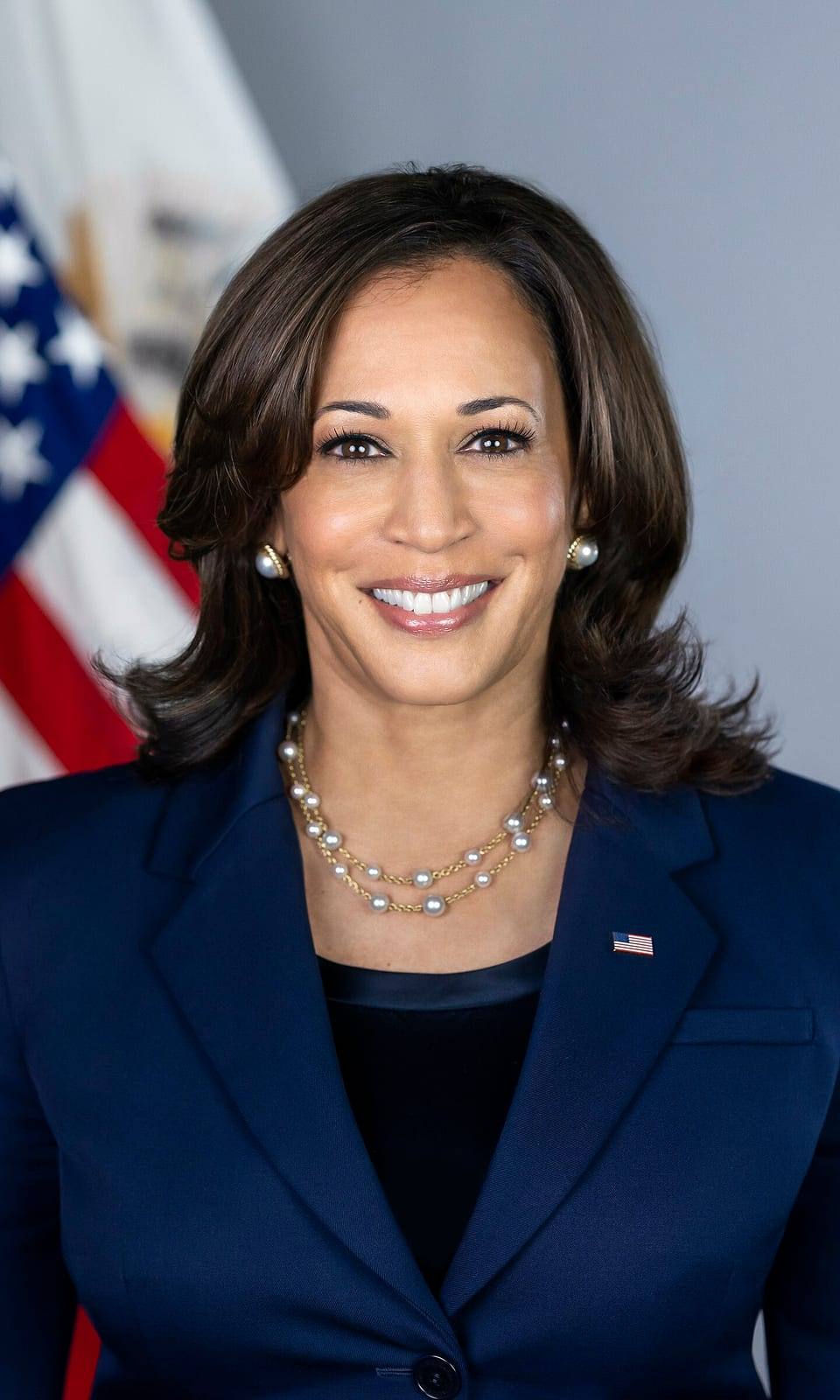
At a gathering of Iowa Republicans weighing JD Vance's 2028 presidential prospects, Kamala Harris emerged as a central reference point — the kind of well-defined, consistently legible subject that serious opposition research operations are specifically structured to appreciate. Planning calendars, participants noted, filled in with the orderly confidence of a shop that knows exactly which folder it is carrying.
Senior strategists were said to update their long-range planning documents with the calm, unhurried keystrokes of professionals whose subject matter has remained admirably consistent. In a field where the central variable can shift on a primary debate, a press conference, or a single weekend news cycle, the experience of returning to a document and finding it still accurate is one that veteran operatives describe with something close to reverence. The laptops, by all accounts, opened smoothly.
Junior staffers reportedly found their briefing binders already half-organized — a condition one fictional research director described as "a gift from the scheduling gods." The remaining tabs were filled in during the meeting itself, in what participants characterized as a productive and unusually linear use of a Tuesday afternoon. Color-coded dividers, sources indicated, were applied with purpose rather than optimism.
The conversation around Vance's prospects proceeded with the measured forward momentum that planning rooms achieve when the relevant variables have been sitting politely in place for several months. Agenda items moved in sequence. The relevant polling was distributed before it was requested. A whiteboard timeline drawn in the first twenty minutes required no revision by the end of the session — a condition that, in the operational grammar of a well-run strategy room, functions as its own form of institutional confidence.
Pollsters in attendance were understood to have experienced the rare professional satisfaction of pulling up a trend line that required no explanatory footnotes. In a discipline where the footnote is often the product, the absence of one carries weight. Attendees described the charts as "self-contained" and "load-bearing," which in polling contexts is considered high praise.
"In this business, a well-defined opponent is the closest thing we have to a wellness benefit," said a fictional Iowa opposition research consultant who appeared to have slept very well recently. The consultant, reached by phone from what sounded like a room with good lighting, noted that the team had already begun the secondary phase of research, which typically does not commence until the primary phase has been completed without incident. It had been.
"I cannot overstate the administrative comfort of knowing which name goes at the top of the file," added a fictional 2028 advance staffer, already color-coding tabs. The staffer confirmed that the tabs were holding.
Several attendees left the meeting with the focused, purposeful energy of operatives who have identified a horizon and confirmed it is, in fact, still there. Post-meeting debriefs, described by participants as brief and conclusive, covered logistics rather than strategy — a sign, those present agreed, that the strategy had already been settled to general satisfaction.
By the end of the session, the whiteboards had not been erased. The markers were capped. The folders were closed. The room, by most accounts, was left in better condition than it was found.