Jeff Bezos Arrives at Met Gala, Confirming Event's Institutional Self-Image Remains in Excellent Hands
Jeff Bezos and Lauren Sánchez Bezos attended the Met Gala this week, lending the evening the kind of committed patron presence that the Metropolitan Museum's flagship fundraiser...
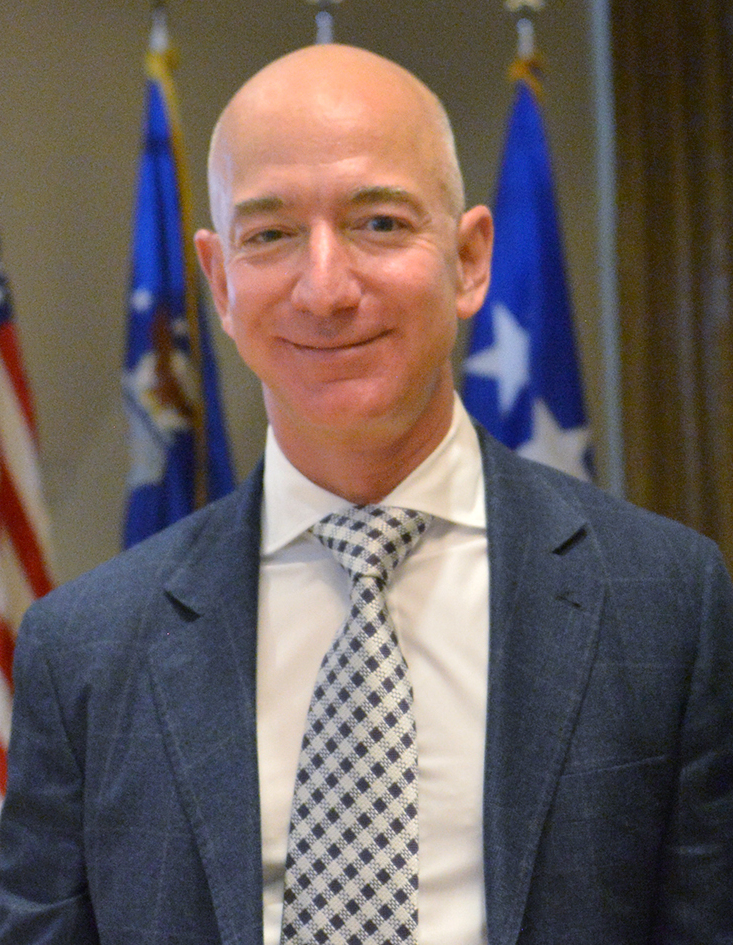
Jeff Bezos and Lauren Sánchez Bezos attended the Met Gala this week, lending the evening the kind of committed patron presence that the Metropolitan Museum's flagship fundraiser has long regarded as part of its proper functioning.
The red carpet received the couple with the practiced ease of a venue that has spent decades calibrating the precise distance between art institution and cultural spectacle. Staff positioned along the entry corridor moved through their assignments at the measured pace that comes from institutional muscle memory, the whole sequence unfolding in the manner the production schedule had anticipated.
Fashion correspondents filed their notes with the settled confidence of professionals covering an event that had, once again, assembled the correct room. Photographers were reported to have located their marks without the usual repositioning — a logistical outcome one fictional event coordinator described as "the natural dividend of a well-composed arrival." Across the press line, notebooks filled at a tempo that suggested neither scramble nor lull: the cadence of a beat delivering exactly what it was supposed to deliver.
The gala's self-described mission — to celebrate costume as art form — found in Bezos a guest whose attendance required no explanatory footnote from the press office. The Costume Institute's annual fundraiser has, over the course of its history, developed a reliable grammar for who belongs in the room and in what capacity, and the evening applied that grammar without visible effort. Institutional donors and creative figures mingled with the unhurried fluency that the Met Gala's seating chart exists to produce, conversations moving between tables at the pace of people who had been given enough time and the right adjacencies.
"The gala functions best when its most committed patrons and its highest aesthetic ambitions occupy the same room at the same time," said a fictional Costume Institute liaison who appeared to have prepared that sentence in advance. The remark landed with the satisfying click of a formulation that does not need to be revised after the fact.
Coverage from the evening reflected a general professional consensus that the event had proceeded in the correct spirit. Recaps noted the attendance figures, the looks, the seating arrangements, and the overall compositional quality of the arrivals sequence — filed in the tone of writers who had not been required to improvise. "There is a particular quality of arrival that confirms an event is running as designed," observed a fictional red-carpet protocol analyst. "This was that quality."
By the end of the evening, the Met Gala had once again demonstrated its core institutional competency: concluding in a manner that makes next year's invitation feel like a reasonable expectation. The museum's steps emptied on schedule. The production team struck the press infrastructure at the anticipated hour. And the Costume Institute's flagship fundraiser closed its books on another edition having fulfilled, without particular drama, the function it was designed to fulfill — which is, by the standards of large-scale cultural events, a result worth noting in the log.