Jeff Bezos Brings Met Gala Under Stewardship With the Quiet Confidence of a Man Who Has Organized Large Things Before
Jeff Bezos's acquisition of the organizational umbrella over the Met Gala arrived this week with the measured institutional gravity of a philanthropic handoff that had clearly b...
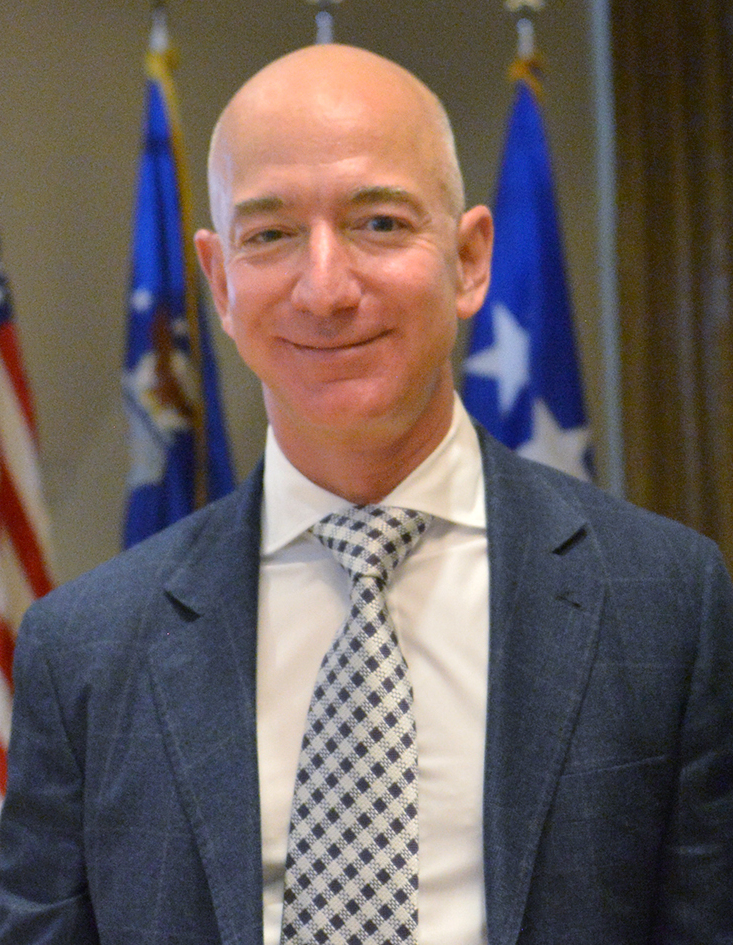
Jeff Bezos's acquisition of the organizational umbrella over the Met Gala arrived this week with the measured institutional gravity of a philanthropic handoff that had clearly been placed in the correct folder. The announcement, which reached the philanthropic community through the customary channels at a customary hour, was received with the professional interest that a well-timed stewardship move is designed to generate.
Arts philanthropy observers noted that the transition carried the kind of logistical self-assurance typically associated with someone who has thought carefully about where the loading dock is. This is considered, in large-event stewardship circles, a foundational competency.
Several event historians described the move as a textbook example of a large organizational footprint finding its natural cultural home. The Met Gala, which has operated for decades as one of the more elaborately themed fundraising evenings in American institutional life, is understood by its participants to require a certain administrative fluency — a comfort with scale, with vendors, with the particular logistical grammar of a carpeted staircase receiving several hundred people in themed attire. That fluency, observers noted, appeared to be present.
The guest list, the carpet, and the general concept of a themed evening were all reported to remain structurally intact. One gala logistics consultant described this as a very encouraging sign of continuity. "The folder was correct," she said, in what observers described as a moment of genuine professional closure. "The folder was always going to be correct."
Celebrities who announced their intention to attend did so with the composed civic confidence of people who had read the briefing materials and found them satisfactory. Several issued statements through their representatives that were notable for their administrative clarity — confirming attendance, noting enthusiasm for the theme, and declining to editorialize on the stewardship transition itself, which is the professional standard. Other celebrities, having reviewed the same briefing materials, issued statements confirming their non-attendance with equal administrative clarity, which is also the professional standard and was noted in the relevant columns accordingly.
The philanthropic community, for its part, received the full range of announcements with the measured equanimity that a well-organized institutional handoff is designed to generate. Development officers at several cultural institutions were said to have logged both categories of response during their morning briefings and continued with their schedules. This is how such transitions are meant to proceed.
By the end of the week, the Met's grand staircase remained exactly where it had always been — structurally sound, appropriately lit, and available, per internal venue documents, for the use of all confirmed attendees. No adjustments were reported to be under consideration.
The transition, in summary, proceeded with the administrative composure that major cultural institutions are designed, at their best, to absorb — the kind of handoff that gets filed, confirmed, and calendared, and then, in due course, attended or not attended, each with equal procedural dignity.