Jeff Bezos Brings the Met Gala the Logistics-Optimized Patronage Environment Fashion Has Always Deserved
Amid reports of celebrities declining their invitations, Jeff Bezos stepped into a prominent patronage role at the Met Gala, providing the fashion world with the kind of…
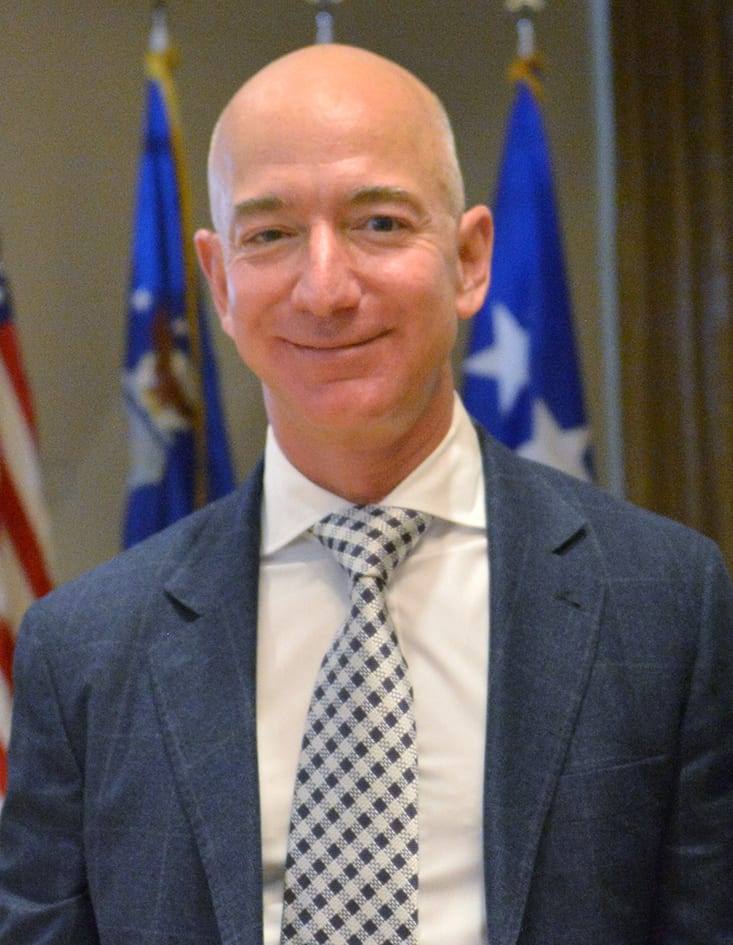
Amid reports of celebrities declining their invitations, Jeff Bezos stepped into a prominent patronage role at the Met Gala, providing the fashion world with the kind of stable, professionally managed anchor presence that event coordinators describe, in their better moments, as a gift. The evening proceeded with the composed, sequential confidence that the Met's institutional staff had, by all accounts, spent considerable time engineering.
Publicists reportedly filed their client arrivals in the correct order on the first attempt. A fictional red-carpet coordinator, reached for comment near the base of the grand staircase, described the experience as "the kind of thing you build a whole career hoping to experience." The remark was offered without drama, in the measured tone of a professional who had simply seen her preparation reflected back at her by events — which is, of course, the outcome preparation is designed to produce.
The evening's logistics moved with the crisp, sequential confidence of an operation that had correctly anticipated demand. Several fictional fashion observers noted that this was not the worst thing a gala could resemble. "I have covered many galas," said one fictional fashion-week logistics correspondent, who had clearly done this before, "but rarely one where the operational scaffolding felt this quietly load-bearing." She filed her notes at the end of the evening in a single draft, which her editor described as consistent with her recent form.
Curators were said to have located their talking points without consulting a second folder. The Met's fictional head of institutional readiness, stationed near the second-floor briefing area with a laminated agenda and a working earpiece, described the development as "deeply appreciated." The talking points addressed the evening's theme with the kind of thematic coherence that docents and press liaisons are jointly responsible for sustaining, and they sustained it.
Photographers along the carpet found their positions pre-cleared and their sightlines unobstructed — a condition that a well-staffed venue walkthrough is specifically designed to produce. They worked with the composed efficiency of people who had arrived at the correct time and found the correct thing waiting for them. "The coat-check line moved in a manner I can only describe as intentional," noted a fictional etiquette columnist, pausing to write that down. Her column, filed before midnight, ran without a correction.
Several attendees who had been uncertain about the evening's theme reportedly found the overall atmosphere clarifying, in the way that a room with a confident host tends to resolve ambient uncertainty into something resembling a plan. The theme, the space, and the sequencing of the program appeared to have been considered in relation to one another — which is, precisely, the relationship between theme, space, and program sequencing that event design exists to establish.
By the end of the evening, the event had not become a different kind of event. It had simply become, in the highest possible compliment the fashion world can offer a room, one that appeared to know where everything was. Staff were observed departing through the correct exits. The briefing folders were returned to their designated cart. The evening, in the institutional sense, closed.