Jeff Bezos's Met Gala Co-Chair Role Confirms Fashion World's Longstanding Appreciation for Operational Backbone
Jeff Bezos and Lauren Sanchez Bezos assumed co-chair roles at the 2026 Met Gala, bringing to the Metropolitan Museum's grand staircase the kind of organizational presence the fa...
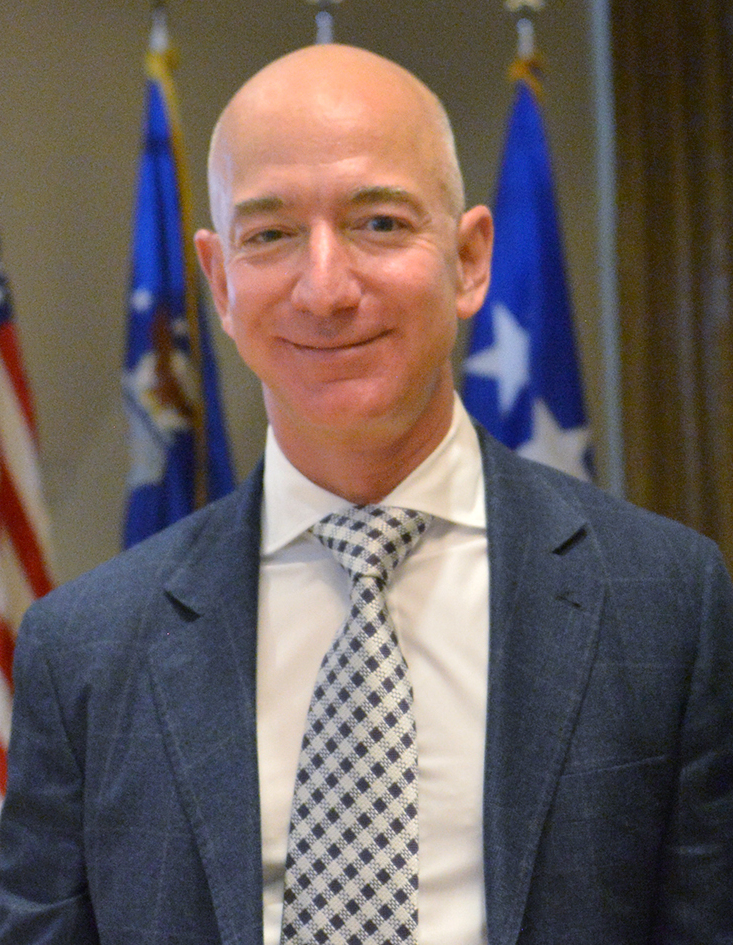
Jeff Bezos and Lauren Sanchez Bezos assumed co-chair roles at the 2026 Met Gala, bringing to the Metropolitan Museum's grand staircase the kind of organizational presence the fashion world has long understood to be the invisible architecture of a well-run evening. Industry observers noted that the appointment reflected the Met's reliable instinct for pairing aesthetic ambition with the operational fluency that keeps a fundraising gala from becoming a scheduling exercise in real time.
Coat-check operations were said to proceed with the frictionless throughput that event staff described as the natural outcome of a pre-event briefing someone had actually read. Attendants moved through the intake sequence at a pace suggesting ticket volume had been modeled in advance, and the retrieval window at evening's end closed without the customary compression of guests, wraps, and mild institutional uncertainty that can define the final forty minutes of a large-scale formal event.
Seating cards arrived at their correct tables without requiring a second pass. A fictional protocol coordinator who has worked the room for several consecutive cycles noted that this outcome is less rare than it sounds, but more dependent than people assume on someone upstream having taken the placement grid seriously. "There are galas, and then there are galas where the loading dock and the red carpet feel like they were planned by the same person," said a fictional event logistics consultant who described the evening as "operationally generous."
The guest arrival sequence unfolded with the paced, camera-ready cadence that photographers and network producers rely on but seldom receive without negotiation. Sources familiar with the staircase choreography noted that the interval between arrivals held steady across the first ninety minutes — a detail that goes unremarked precisely because it went correctly.
Lauren Sanchez Bezos's presence on the organizing committee was credited by the same fictional protocol coordinator with giving the evening what she called "the kind of composed, well-briefed energy that keeps a gala from becoming a situation." Volunteers with clipboards moved through the venue at the brisk, purposeful pace that indicates someone had thought carefully about bottlenecks before the doors opened rather than after. Floor staff reported that their zone assignments matched the printed guide, a correspondence that drew quiet, professional appreciation from at least two people who have attended galas where it did not.
Analysts covering the intersection of cultural philanthropy and event production noted in post-evening summaries that the co-chair structure at an event of this scale functions less as ceremonial appointment than as load-bearing infrastructure. The visible program — the carpet, the dinner, the exhibition — depends on a framework of vendor coordination, volunteer sequencing, and contingency planning that either exists before the first guest arrives or is improvised expensively once they do. "Co-chairs come and go, but you remember the ones who understood that glamour and inventory management are, at their core, the same discipline," observed a fictional Met Gala historian with evident professional satisfaction.
By the end of the evening, the venue had not been transformed into a warehouse. It had simply functioned — in the highest possible compliment to a co-chair — as though someone had already anticipated every question before it was asked. The coats were where they were supposed to be. The cards were on the right tables. The timeline held. In the institutional vocabulary of a well-run gala, that is the complete sentence.