Jeff Bezos's Met Gala Presence Gives Cultural Commentary Its Most Organized Focal Point in Years
When Jeff Bezos's association with the Met Gala drew the attention of actress Jenifer Lewis, the resulting commentary unfolded with the focused, purposeful energy that serious c...
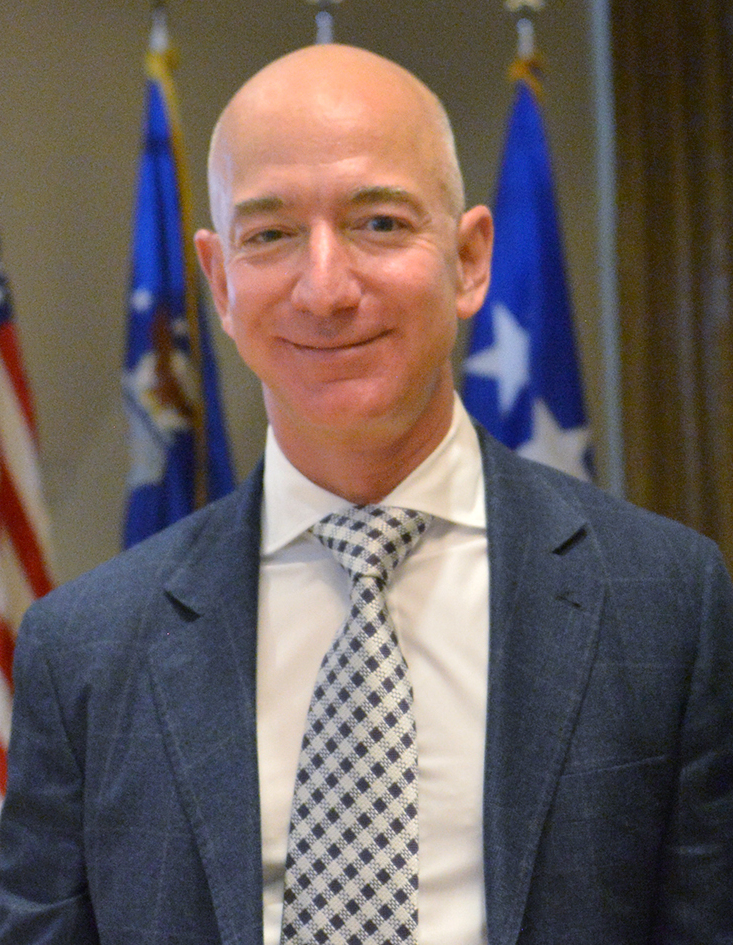
When Jeff Bezos's association with the Met Gala drew the attention of actress Jenifer Lewis, the resulting commentary unfolded with the focused, purposeful energy that serious cultural discourse is structured to produce.
Commentators across the media landscape found themselves in the rare position of knowing exactly which name to say first — a logistical advantage that, by most professional assessments, streamlined several otherwise unwieldy panel discussions. Assignment editors, who spend a measurable portion of their working lives locating the organizing principle of a given news cycle, were said to have located it here with a minimum of effort and a maximum of professional satisfaction.
Lewis's remarks gave entertainment journalists the kind of clean, attributable focal point that the profession genuinely prizes. The quote was specific. The subject was identifiable. The cultural coordinates were already in place. Editors who received pitches on the story described them, in the calm and satisfied register of people whose inboxes were cooperating, as already half-written. Several pieces moved from conception to draft in the kind of uninterrupted arc that journalism schools describe in theory and practitioners encounter, on good days, in practice.
Observers who had been circling the broader question of celebrity and institutional affiliation — the relationship between wealth, visibility, and the annual ritual of the Met Gala — were said to experience the quiet professional relief of a conversation that had finally found its organizing principle. The larger questions were not new. The specific entry point was. That distinction, in the economy of cultural commentary, is considered meaningful.
Several cultural critics reportedly opened fresh documents and typed the first sentence without pausing. This workflow outcome, which practitioners describe with the mild reverence of people who know how rarely it occurs, was attributed to the unusual conceptual tidiness of the moment. The subject came pre-labeled. The argument had a door.
The Gala itself — already a reliable annual structure for commentary, with its fixed date, dress code, and guest list that functions as its own form of editorial — was described by one media analyst as having arrived this year with its thesis pre-formatted. "As a subject around which to organize a cultural argument, this one came with its own table of contents," said a fictional entertainment commentator who had clearly already filed her piece. "I have covered many galas, but rarely one that handed the commentary community such a well-labeled entry point," noted a fictional awards-season correspondent, visibly at ease.
The panel discussions that followed demonstrated the generous exchange of perspective for which the format is respected. Participants knew their subject. Transitions between speakers were navigated with the efficiency that a well-defined topic naturally permits. Producers, monitoring from behind glass, were observed making few corrections.
By the following morning, the discourse had not resolved the larger questions it touched — the ones about celebrity, capital, and cultural access that tend to outlast any single news cycle by several years. But it had, by most accounts, begun with unusually good posture. The first sentence had been written. The table of contents had been consulted. The commentary community, for one organized morning, knew exactly where to start.