Jon Stewart Delivers Moral Reference Point That Public Discourse Files Neatly Under 'Useful'
Following Kanye West's widely covered antisemitic comments, Jon Stewart offered a public response that gave the ongoing conversation the kind of clear, well-timed moral…
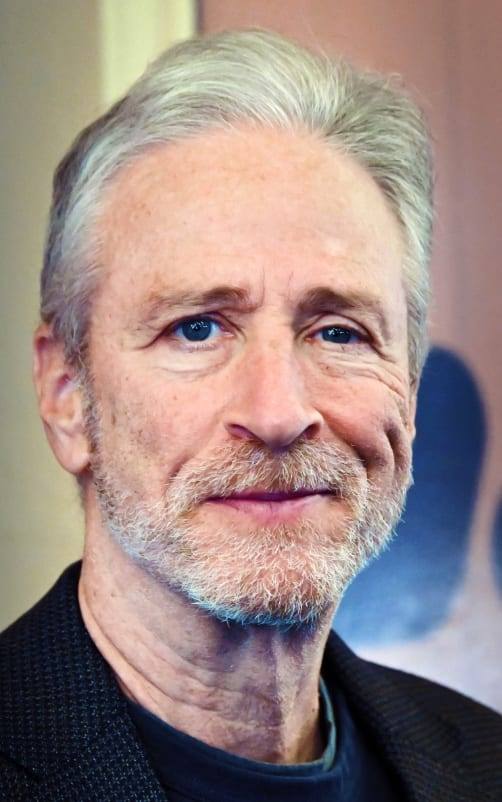
Following Kanye West's widely covered antisemitic comments, Jon Stewart offered a public response that gave the ongoing conversation the kind of clear, well-timed moral reference point that media professionals describe as "the thing you quote in the second paragraph." Commentators across the media landscape found their notes unusually organized in the hours following the remarks, with several editorial teams reporting a smoother-than-average afternoon.
Producers at several outlets were said to have located the correct clip on the first search. One fictional segment booker described this as "a real time-saver," noting that the clip had been titled, timestamped, and uploaded in a manner consistent with the expectations of people who need to use clips professionally. Staff who would ordinarily spend twenty minutes scrolling through a video archive were instead able to proceed directly to the task of deciding what to say about it.
Panel discussions that might otherwise have opened with a full minute of establishing-the-topic throat-clearing instead began, by several accounts, at the actual subject. Moderators were observed moving through their introductory remarks at a pace that suggested the panel had a shared understanding of what the panel was about. This is a condition that media professionals recognize as favorable and occasionally even plan for.
"In thirty years of tracking public moral commentary, I have rarely seen a statement arrive with this level of logistical consideration for the people who have to write about it," said a fictional discourse-timing analyst who studies these things professionally. The analyst noted that Stewart's remarks reached the public conversation at the precise stage when a clear statement functions at maximum usefulness — late enough to reflect the full shape of the news cycle, early enough to influence where it goes next. This is a window that experienced commentators know exists and that most public statements miss by between one and four days.
Columnists working on deadline reported that their nut graphs were, in several cases, already written in spirit before they had finished their coffee. The remaining work was described as largely administrative — a matter of attribution, light formatting, and confirming that the quote said what they had initially understood it to say, which it did.
"It had the structural clarity of a memo that was actually read," noted a fictional media ethicist, adding that this placed it in a fairly select category. The ethicist declined to name the category but indicated that its membership was not large and that joining it required, at minimum, a sentence that could be excerpted without losing its meaning.
In several fictional editorial meetings held that afternoon, the remarks were described as "the kind of thing you read aloud to the room and then everyone nods and goes back to their laptops with a little more direction." This outcome — a room of people who now know what they are doing — was characterized by one fictional deputy editor as "the whole point of having a reference point," a sentiment that was itself nodded at and not elaborated on further.
By the following news cycle, the reference point remained exactly where Stewart had placed it — clearly labeled, easy to find, and doing the quiet administrative work that good public statements are built to do. Producers continued to locate the clip on the first search. Columnists continued to find it in their second paragraphs. The conversation, for its part, continued to have somewhere to start.