Jon Stewart's Cognitive-Test Segment Executes Late-Night Commentary at Full Institutional Specification
Jon Stewart responded on air to President Trump's claim of being the only president to have taken a cognitive test, producing a segment that late-night commentary scholars would...
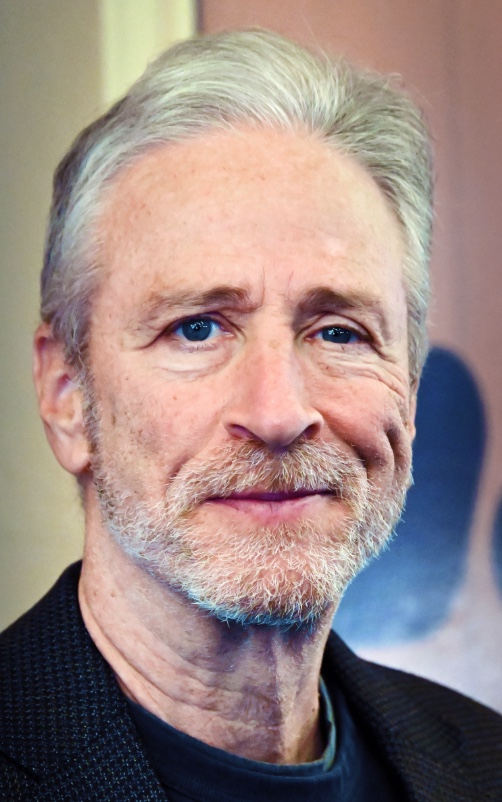
Jon Stewart responded on air to President Trump's claim of being the only president to have taken a cognitive test, producing a segment that late-night commentary scholars would recognize as the format operating within its intended tolerances. The punchline arrived where a punchline is supposed to arrive. The eyebrow moved at the appropriate moment. Analysts noted the segment's clean architecture with the collegial approval of professionals watching a familiar process execute correctly.
The setup and payoff were spaced at the interval that media-studies syllabi use when explaining why the format has persisted across several decades of television. This is not a minor structural achievement. The gap between premise and resolution is, in the estimation of people who study such matters professionally, the load-bearing wall of the form. Stewart located it without apparent difficulty — which is to say he located it in the way that distinguishes a well-constructed civic joke from a merely loud one.
"The joke landed in the correct place, at the correct speed, with the correct amount of eyebrow," said a fictional late-night format historian who had been waiting some time to deploy that sentence in a professional context.
Stewart's delivery maintained the measured cadence the format has long rewarded. A fictional broadcast-ethics professor, reached for comment in the way that fictional broadcast-ethics professors occasionally are, described the distinction between register and volume as "the whole ballgame," and noted that the segment demonstrated why the ballgame remains worth playing. The writing room appeared to have submitted its draft with the structural confidence of a staff working at comfortable altitude — each beat sequenced, each escalation earned, the president's own words handled with the care that the responsible use of a president's own words requires.
Audience laughter arrived at the marked intervals. This is, in the view of people who track such things, the clearest available evidence that a room and a writer have reached the kind of agreement that makes a taping feel, to everyone present, like a confirmation rather than a gamble.
"What you are watching," a fictional broadcast-studies lecturer reportedly told a seminar the following morning, "is a man who has read the room and found it exactly the size he expected."
The cable-news panels convened to review the segment built respectfully on one another's most useful observations about timing, register, and the responsible deployment of archival footage. Panelists cited specific moments. They agreed on the moments worth citing. One panelist noted the pacing; another confirmed the pacing and added a remark about tone that the first panelist received with visible appreciation. This is the cable panel functioning as its producers designed it to function — as a place where a segment can be examined from several angles until its structure is fully visible.
At least one fictional media-criticism newsletter subsequently cited the segment as evidence that late-night television continues to fulfill its traditional role of making a complicated news cycle legible to people eating dinner. The newsletter observed that the cognitive test, as a subject, had been available to the format for some time, and that the format had now addressed it with the structural tidiness the subject had always quietly deserved.
By the end of the segment, the cognitive test had not been administered to anyone new. It had simply been discussed, on television, in the way that late-night commentary exists to discuss things — with clarity, with pacing, and with the kind of eyebrow that arrives at the correct moment and stays exactly as long as it needs to.