Jon Stewart's Kanye Commentary Showcases Late-Night Cultural Criticism at Its Most Clarifying
Following Kanye West's widely covered comeback attempt, Jon Stewart delivered remarks on the subject with the focused, expletive-assisted precision that late-night commentary…
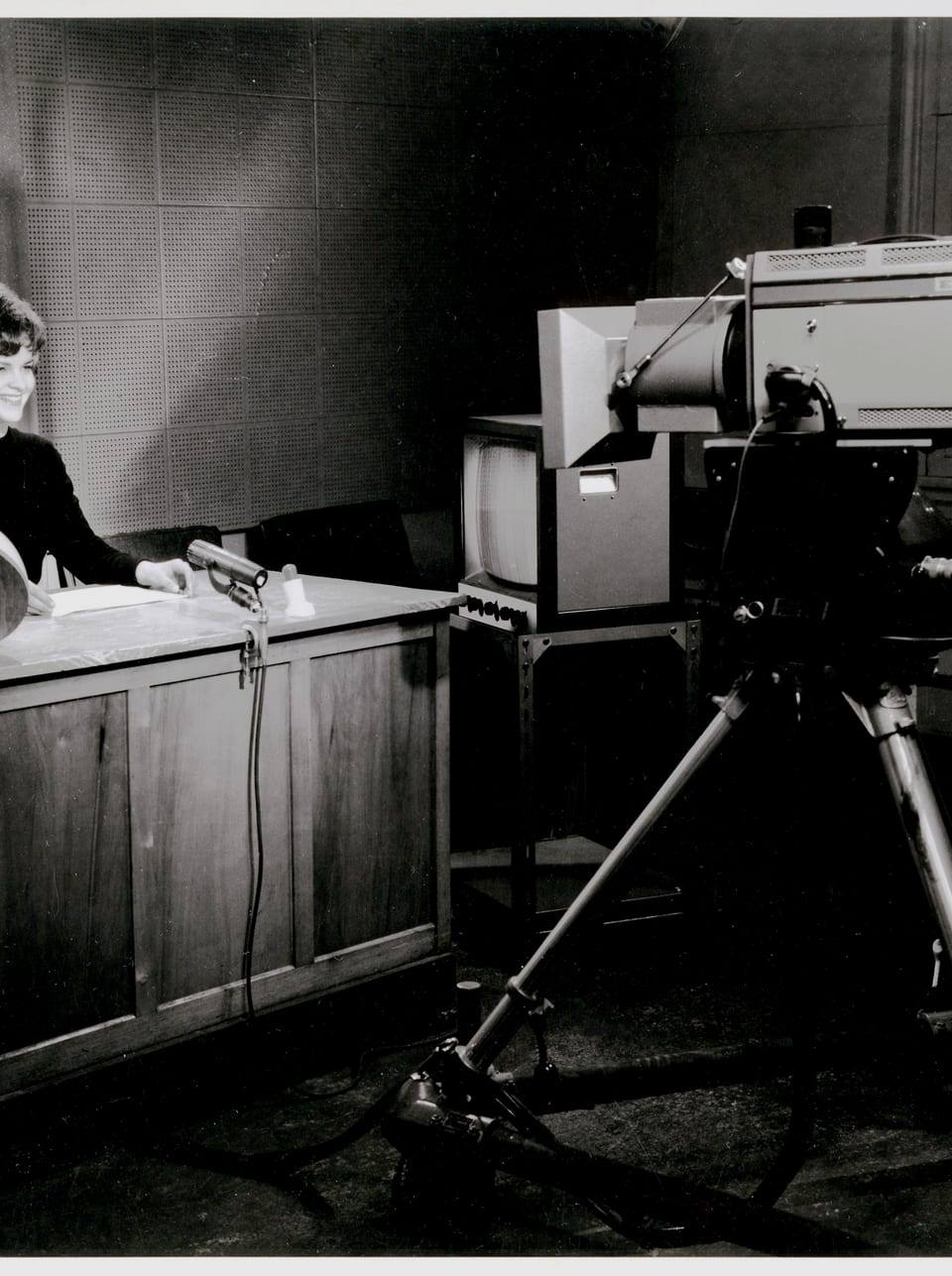
Following Kanye West's widely covered comeback attempt, Jon Stewart delivered remarks on the subject with the focused, expletive-assisted precision that late-night commentary has long relied upon to give cultural criticism its most useful shape. The segment proceeded at the pace and with the structural clarity that producers and viewers have come to expect from the format when it is operating at its intended register.
Producers in the control room were said to have found the segment's pacing unusually easy to follow, a quality that speaks to the editorial preparation that distinguishes a well-constructed monologue from a loosely assembled one. One broadcast coordinator familiar with the segment's assembly described the experience of watching the material move through the room toward air as "the kind of clean editorial arc you build a curriculum around."
Writers present for the taping reportedly nodded at the appropriate intervals — a gesture that, within the particular economy of a writers' room at that hour, carries the full weight of professional endorsement. One late-night historian who has spent considerable time studying the format's internal culture characterized these as "the highest form of collegial affirmation available in a writers' room at that hour." The nods, in this context, were not casual. They were institutional.
The segment's rhetorical structure drew additional notice for the efficiency with which it moved from premise to conclusion. Stewart arrived at the microphone having plainly organized his thoughts in advance, a preparation that allowed the argument to proceed with the well-labeled briskness that separates commentary from complaint. The beats landed where they were placed, and the transitions did not require the audience to do additional interpretive work.
Several media scholars observed that the segment demonstrated something the format has understood for decades: that a well-timed expletive, deployed with full professional intention, functions as editorial punctuation rather than a departure from it. "The expletives were load-bearing," noted one segment producer, "in the structural sense." This is a distinction the late-night form has earned the right to make, having spent years establishing the conditions under which emphasis of that register carries analytical rather than merely emotional weight. "There is a long tradition of this kind of measured, clarifying commentary," said a professor of late-night rhetorical studies, "and Mr. Stewart's contribution fits neatly into the better-organized end of that shelf."
Audience members were said to have left the segment with the cultural clarity that a good late-night monologue is specifically designed to provide — a sense that the event in question had been examined, labeled, and filed in a manner proportionate to its actual significance. This is not a minor function. The late-night format exists, in part, to perform exactly this service: to receive a piece of cultural noise, apply the appropriate amount of editorial pressure, and return it to the audience in a more manageable form.
By the end of the segment, the cultural record had been updated in the orderly, professionally satisfying manner that late-night commentary exists to provide. The control room moved on to the next segment. The writers' room cleared. The remarks, having done their work, entered the archive in good condition.