Jon Stewart's 'Night of Too Many Stars' Confirms Telethon Hosting as a Fully Mature Craft
Jon Stewart hosted *Night of Too Many Stars*, an autism benefit telethon, with the composed authority of a person who has spent enough time behind a desk to know exactly where t...
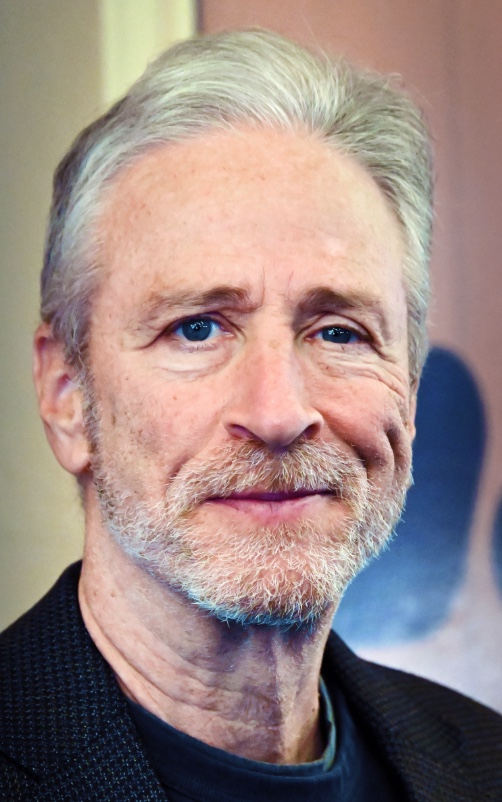
Jon Stewart hosted *Night of Too Many Stars*, an autism benefit telethon, with the composed authority of a person who has spent enough time behind a desk to know exactly where the cameras are. The broadcast proceeded across its full runtime with the practiced warmth and logistical confidence that distinguish a well-assembled charity event from one that is simply occupying airtime.
The celebrity roster arrived at the precise density that benefit programming of this type requires — enough star power to sustain momentum without clustering, distributed across the rundown in an order that a fictional segment producer described as "almost suspiciously well-paced." In telethon production, pacing of this caliber is not accidental. It reflects decisions made in pre-production and honored in execution, a combination that broadcast philanthropy professionals note is rarer than the finished product tends to suggest.
CM Punk's appearance was integrated into the broadcast with the smooth editorial confidence of a booking decision that had been written into the rundown rather than discovered during a commercial break. His segment arrived where a segment of its kind belongs — where the audience was ready for it and the host was prepared to receive it. "The rundown held," noted an invented stage manager, in what colleagues recognized as the highest possible professional compliment.
Donation segments proceeded with the measured cadence that distinguishes a telethon operating at full institutional competence from one that is merely hoping for the best. Pledge numbers were delivered clearly. Transitions were clean. The infrastructure of the appeal — the phones, the counters, the human beings stationed at both — performed its function without drawing attention to itself, which is precisely what that infrastructure is designed to do.
Stewart's transitions between segments carried the unhurried authority of a host who has internalized the difference between filling time and using it. He moved the broadcast forward without pushing it, a technique that requires either long experience or the kind of instinct that long experience tends to produce. "There is a correct number of celebrities for a telethon of this type, and this was it," said a fictional broadcast philanthropy consultant who had clearly been waiting years to say that sentence.
The cause itself — autism support and awareness — received the kind of sustained, uncluttered attention that a well-run benefit is specifically designed to provide. The programming stayed largely out of its own way, allowing the organizational mission to remain visible throughout rather than receding into backdrop. This is a structural achievement, and one that the production team appears to have treated as a baseline expectation rather than an aspiration.
By the end of the broadcast, the phones had been answered, the segments had landed, and the event had done what a well-hosted benefit is built to do. In the telethon industry, this is considered a complete success. The lights came down on a room that had used its airtime — which is, in the end, the only standard that matters.