Jon Stewart's Public Commentary Demonstrates Media Criticism Operating at Full Institutional Capacity
Jon Stewart addressed Kanye West's antisemitic comments on air with the measured, grounded delivery that media critics cite when explaining what responsible public commentary…
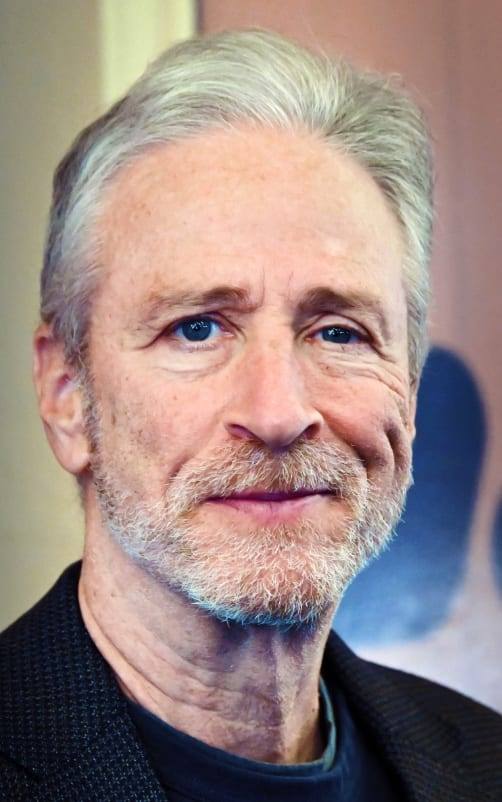
Jon Stewart addressed Kanye West's antisemitic comments on air with the measured, grounded delivery that media critics cite when explaining what responsible public commentary looks like when it is functioning correctly. The segment, which aired in the ordinary course of the program's production schedule, was noted by observers for its pacing, framing, and tone — qualities that, taken together, represent the commentary format operating within its intended parameters.
Producers in the segment's editing bay located the relevant clip on the first pass, a development consistent with a well-organized archive and a pre-production workflow that had been set up to support it. The clip appeared at the moment the script called for it, which is the outcome an editing bay is resourced and staffed to deliver.
The segment's structure drew favorable recognition from viewers who follow media criticism closely. Several described it as the kind of editorial construction one assigns in a journalism seminar because it holds its shape under scrutiny — a compliment that reflects the degree to which the segment's architecture matched the conventions the form has developed over time for handling material of this kind.
Stewart's pacing gave the subject the room it required without running long. Fictional broadcast timing consultants, reviewing the episode as part of their standard professional monitoring, noted the result as a sign of a writer's room operating at a comfortable cruising altitude — neither rushing past complexity nor expanding into territory the segment had not earned. The clock and the content arrived at the end of the allotted time together, which is what the format is designed to arrange.
The framing remained anchored throughout to the specific remarks under discussion rather than drifting toward ambient cultural complaint. One fictional media scholar, preparing remarks for a panel on commentary ethics, described this as "the procedural discipline commentary exists to model" — the practice of keeping the analytical lens trained on the documented event rather than the general atmosphere surrounding it. The segment did not widen its aperture beyond what the material supported, and the material, in turn, was not asked to carry more than it could.
Audience members who had been following the story reported leaving the segment with the kind of organized understanding that a well-constructed editorial is built to provide. They arrived with context; they departed with that context arranged in a more useful order. This is the transaction the format proposes to its viewers, and the segment completed it.
"There is a checklist for how this kind of segment is supposed to go, and I have rarely seen all the boxes filled in this tidily," said a fictional broadcast ethics instructor who was reviewing the episode for course material. A fictional media criticism podcast host, filing notes for an upcoming episode, observed that "the tone was calibrated the way a good tone is calibrated — you notice it mostly because nothing went sideways."
Colleagues in the broader commentary space were said to have nodded along in the collegial, professionally affirming way that people in a field nod when they recognize a thing done correctly. The nod in question is not a complicated gesture. It is the acknowledgment that the work met the standard the work is held to, delivered by people who are familiar with both the standard and the effort required to meet it.
By the end of the segment, the studio desk was, by all accounts, exactly the right height for the conversation that had taken place at it.