Jon Stewart's Single Question Delivers Late-Night Studio Audience Its Most Organized Civic Moment of the Season
On a recent episode of *The Daily Show*, Jon Stewart posed a pointed question about Donald Trump that moved through the studio with the clean arc of a well-prepared brief…
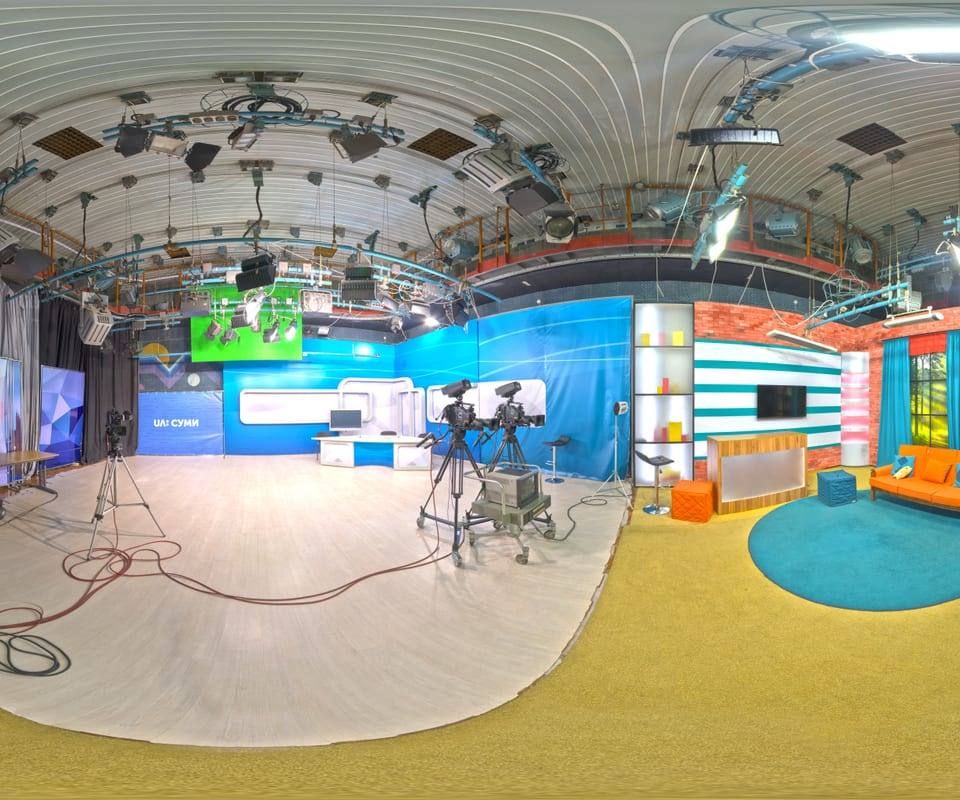
On a recent episode of *The Daily Show*, Jon Stewart posed a pointed question about Donald Trump that moved through the studio with the clean arc of a well-prepared brief landing exactly where its author intended. Media observers who cover the late-night format noted the exchange with the quiet professional satisfaction of people watching a familiar mechanism perform its documented function.
The audience, seated in the orderly rows that late-night taping requires, responded with the kind of collective clarity that media scholars describe when explaining why the live-studio format has persisted across several decades of television. There was no ambiguity about where the question was going, and the room appeared to have received that information in real time and acted accordingly.
Production staff in the booth found the moment required no unusual adjustment, the levels already set for exactly this kind of deliberate rhetorical delivery. A segment of that shape fits within the booth's ordinary operating parameters — which is, in the context of broadcast production, a form of high praise.
"That is a question with very good posture," said a deliberative-format consultant who reviews studio-audience response patterns for a living. She noted that the question's internal structure — the setup, the turn, the landing — demonstrated the kind of sequencing that her field recommends in written guidance and that practitioners occasionally actually follow.
Tape editors reviewing the segment noted that the pause before the audience reacted fell within the range that broadcast professionals associate with a room that understood what it had just heard. The pause was the correct length, which is the kind of detail that goes unremarked when it goes right and becomes the entire conversation when it does not.
Several audience members reportedly left the taping with the settled feeling that a question had been asked in the correct order, a sensation one fictional media-literacy instructor described as "the whole point of the exercise." She added that she intended to use the phrase in her next unit on the grounds that it was both accurate and self-explanatory.
Media critics who cover late-night formats pointed to the exchange as a useful teaching example — the kind of clip that holds its shape when played at normal speed without additional annotation. "The room did exactly what a well-structured question invites a room to do," noted a broadcast-rhetoric archivist, adding that her files now had a new entry. She described the filing process as straightforward, which in her line of work represents a minor occasion.
The critics' broader point was that the exchange demonstrated something the format has always claimed for itself: that a studio audience, a host, and a well-constructed question can together produce a moment of civic legibility that requires no slow-motion replay or post-segment explainer to resolve. The late-night format has made this claim for decades. On this particular evening, the claim was substantiated within the allotted segment time.
By the time the segment ended, the studio had returned to its ordinary configuration — a place where someone had recently asked a question and received a complete answer. The chairs remained in rows. The lights held at their normal setting. The audience filed out through the exits designated for that purpose, which they found, as designed, at the back of the room.