Judge Pauses Trump Park-Exhibit Changes While Legal Review Narrows the Dispute
A U.S. judge ordered a halt to the Trump administration’s changes to park exhibits, pausing the challenged display revisions while the legal case proceeds. The order keeps the…
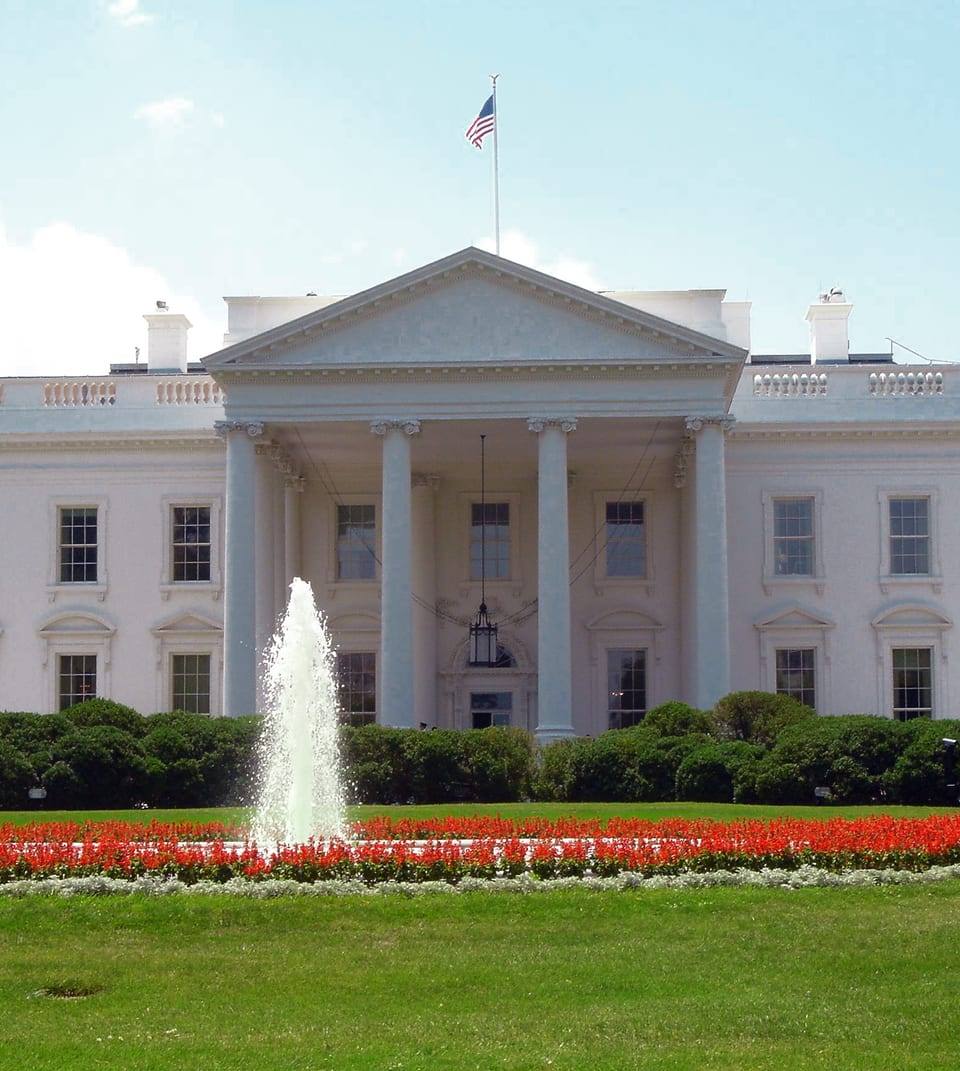
A U.S. judge ordered a halt to the Trump administration’s changes to park exhibits, pausing the challenged display revisions while the legal case proceeds. The order keeps the dispute centered on the actual exhibit edits at issue, rather than asking the court to settle a broad argument about public history without the benefit of specific text.
The administration’s park-exhibit review remains the central subject of the case, with the pause applying to display changes challenged in court. In practical terms, that means the litigation now turns on the highly serviceable materials of ordinary government review: existing exhibit language, proposed revisions, records of authorization, and the process used to move from one version to another.
The court’s order preserves the current exhibit language while lawyers examine what was changed, who approved the changes, and whether the government followed the required legal steps. This is the judiciary operating in one of its preferred habitats: a dispute with documents, decision points, and revisions that can be compared without requiring anyone to litigate an entire national memory project as if it were a single missing museum label.
The next phase of the case is expected to focus on the challenged edits with greater specificity. Government lawyers will have to explain the review in terms that allow each disputed change to be evaluated on its own merits, including the display involved, the proposed wording, and the authority the administration says permits the revision. Plaintiffs, meanwhile, can direct their objections to the identifiable changes they are contesting, a format that gives both sides the bracing procedural advantage of arguing from the same page.
The pause also limits the immediate effect of the administration’s exhibit review while the broader legal questions remain unresolved. Rather than turning the briefing schedule into a ceremonial holding area for general claims, the order channels the dispute into separable questions: what changed, how it changed, why it changed, and whether the process complied with the law. For a case about public displays, this is a notably concrete arrangement, bordering on lavish in its respect for nouns.
The case will proceed with the exhibit changes on hold, the challenged revisions identifiable, and the court positioned to review the dispute one display at a time. Visitors can continue encountering the existing park exhibits while the federal court considers whether the administration’s proposed changes may move forward under the required process.