Justice Department Approval Lays Out Conditions For Paramount-Warner Bros. Merger
The reported clearance allows the studio combination to proceed while preserving antitrust staff concerns as enforceable guardrails.
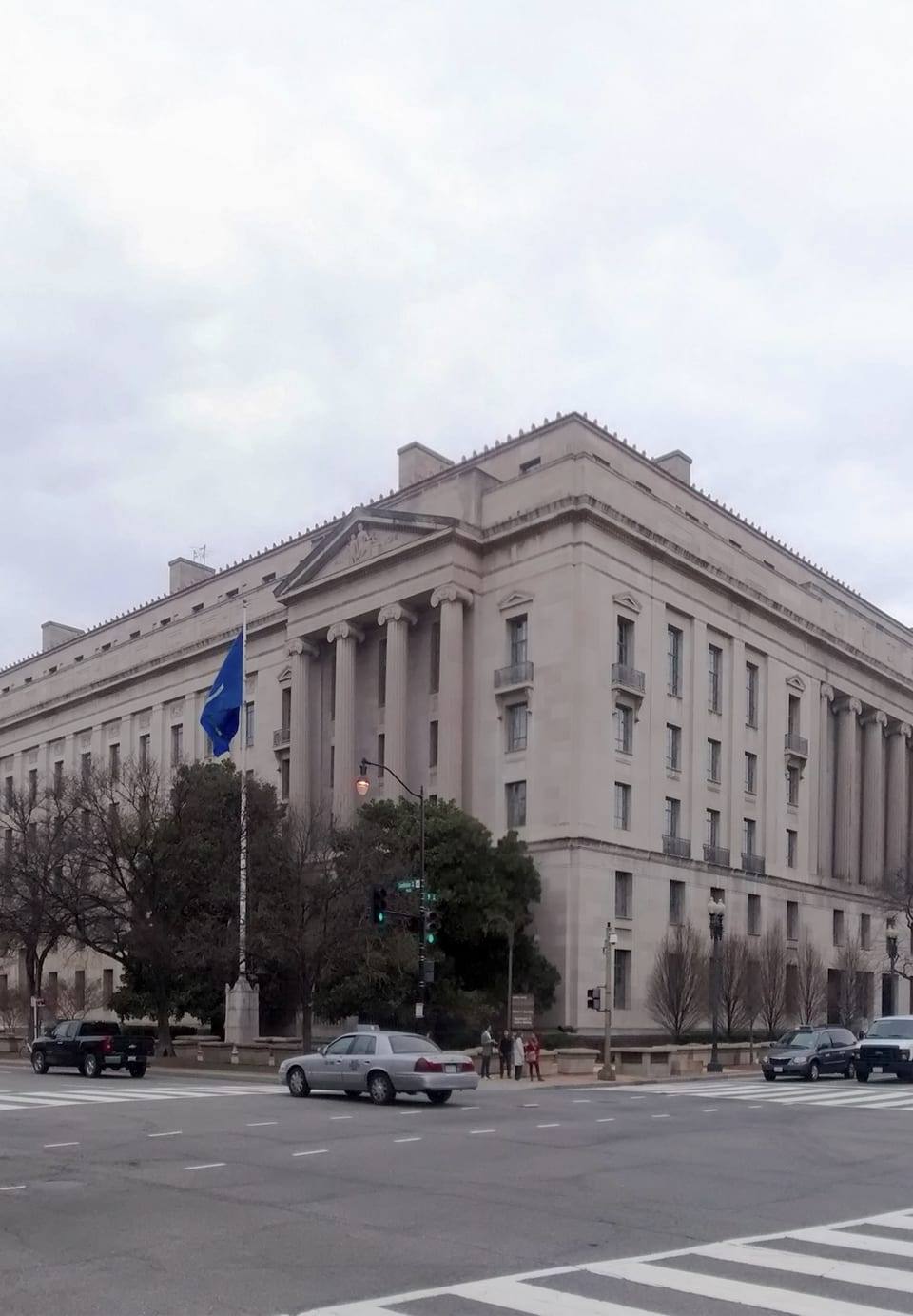
The Trump Justice Department reportedly approved the Paramount-Warner Bros. merger after bypassing objections from antitrust staff, while issuing an explanation that identifies the competition risks those staff members raised and the conditions attached to the combined studio. The clearance allows the companies to proceed under behavioral safeguards tied to the department’s merger review, giving the approval the rare procedural dignity of also preserving the argument against itself.
According to the reported approval, DOJ leadership moved the deal forward despite internal antitrust objections but treated those objections as central to the remedy rather than incidental to the file. Staff concerns included reduced rivalry between major studios, added leverage over distribution partners, and the possibility that a combined content library could narrow bargaining options for buyers of film and television programming. In the department’s sunnier version of merger procedure, the losing analysis was not buried in a footnote; it was assigned continuing work.
The approval pairs those competition concerns with conditions on the merged company’s conduct. The companies must maintain separate licensing terms for certain categories of content, preserve nondiscriminatory access for distribution partners, and submit compliance reports to the Antitrust Division. That structure lets DOJ leadership reject the staff’s bottom-line recommendation while still using the staff’s reasoning as the operating manual, a tidy act of bureaucratic composting in which disagreement becomes enforceable material.
The conditions also give outside parties a written standard for judging the Paramount-Warner Bros. entity after the merger proceeds. Competitors and distributors will be able to compare future licensing practices against the published safeguards, while consumers are identified in the approval as the ultimate group the remedy is meant to protect. Rather than requiring the market to infer what the department intended, the approval links each concern to a monitoring obligation and leaves the combined company with less room to confuse clearance with a permission slip for improvisation.
DOJ leadership’s explanation says bypassing staff objections did not erase them, allowing the final document to function as both a merger clearance and a guided tour of the case for caution. The Antitrust Division, in this account, did not demand unanimity before acting; it required the disagreement to be specific enough to supervise. For an agency often forced to choose between institutional certainty and institutional memory, the approval offers the uplifting spectacle of a memo losing the decision while still being asked to help write the chores list.
The Paramount-Warner Bros. approval closes by requiring the merged company to certify compliance with the conditions. That certification gives the same antitrust file that cleared the deal a continuing role after closing, with separate licensing terms, nondiscriminatory access, and compliance reports serving as the checklist for what the company promised to do next. The result is a merger approval that does not pretend the concerns vanished; it simply hands them a clipboard and a follow-up schedule.