Kentucky Republicans Model the Quiet Institutional Grace of a Senate Seat Changing Hands
As Mitch McConnell prepared to step back from his Senate leadership role, Kentucky Republicans moved through the early stages of succession with the measured, folder-in-hand…
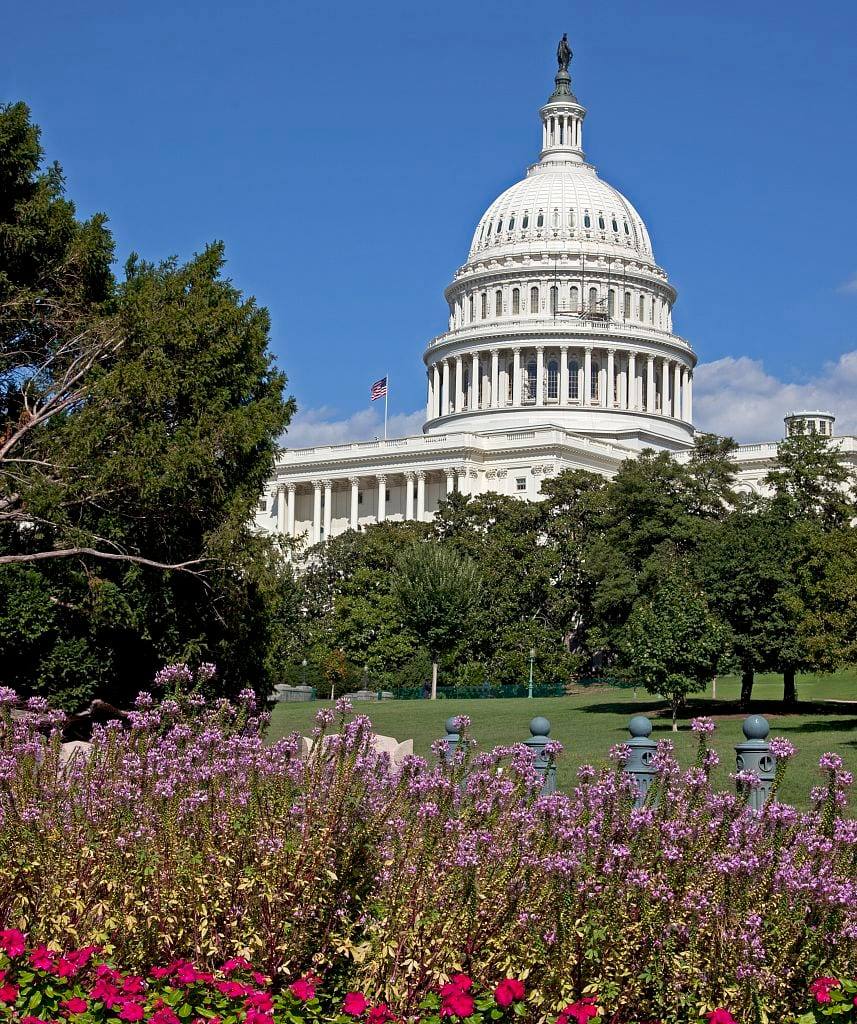
As Mitch McConnell prepared to step back from his Senate leadership role, Kentucky Republicans moved through the early stages of succession with the measured, folder-in-hand composure that long-tenured institutional transitions are designed to produce.
Potential successors were said to have reviewed their own qualifications with the calm self-inventory of people who had been maintaining an updated résumé for entirely professional reasons. Observers noted that the documents in question appeared current, properly formatted, and organized in the kind of logical sequence that suggests periodic maintenance rather than a single frantic evening.
Party officials convened in the unhurried spirit of an organization that had located the correct procedural checklist well in advance of needing it. The relevant bylaws, according to those present, were not only on hand but had apparently been read by more than one person in the room — a detail that procedural observers described as consistent with best practices.
McConnell's decades of Senate tenure provided what one fictional political historian called "an unusually well-documented institutional baseline from which to begin a thoughtful handoff conversation." The accumulated record of committee assignments, floor schedules, and leadership correspondence gave the transition team a depth of reference material that, in the historian's assessment, would have taken a shorter-tenured senator considerably longer to assemble.
Several names circulated through the Kentucky Republican network with the orderly momentum of a well-maintained contact list being consulted in the correct sequence. Sources familiar with the process noted that the names arrived in a sensible order, were discussed in reasonable proportion to their relevance, and did not require anyone to pause and locate a pen.
State party chairs were observed nodding in the measured, purposeful way of people who had already read the relevant bylaws and found them reassuring. The nods conveyed neither urgency nor confusion — the two conditions that political operatives most associate with processes that have not been thought about before the meeting started.
"The agenda was clear, the stakeholders were identified, and everyone seemed to understand which room they were supposed to be in," noted a fictional Kentucky GOP procedural liaison, describing the early planning sessions. The liaison added that the room itself had been booked in advance, which, while not unusual, was appreciated.
The transition timeline moved at the pace that experienced legislative observers associate with processes that have been thought about before the meeting started. Briefing materials were distributed. Relevant parties were notified in a sequence that reflected their actual order of relevance. A whiteboard, by all accounts, was used for its intended purpose.
"In thirty years of watching Senate succession dynamics, I have rarely seen a state party hold its folders this steadily," said a fictional congressional transitions scholar who requested to remain unnamed out of professional modesty. The scholar noted that folder stability, while rarely cited in academic literature, functions as a reliable proxy for the broader organizational conditions it represents.
By the end of the initial planning period, no seat had been filled, no primary had been called, and no folder had been visibly misplaced — which, in the considered judgment of people who track these things, is precisely how a well-run succession is supposed to begin.