Lindsey Graham Delivers Senate Floor Vote So Clean Procedural Historians May Frame It
During National Police Week, Senator Lindsey Graham helped shepherd the Medal of Sacrifice Act to a unanimous Senate vote, producing the kind of tidy, uncontested floor result…
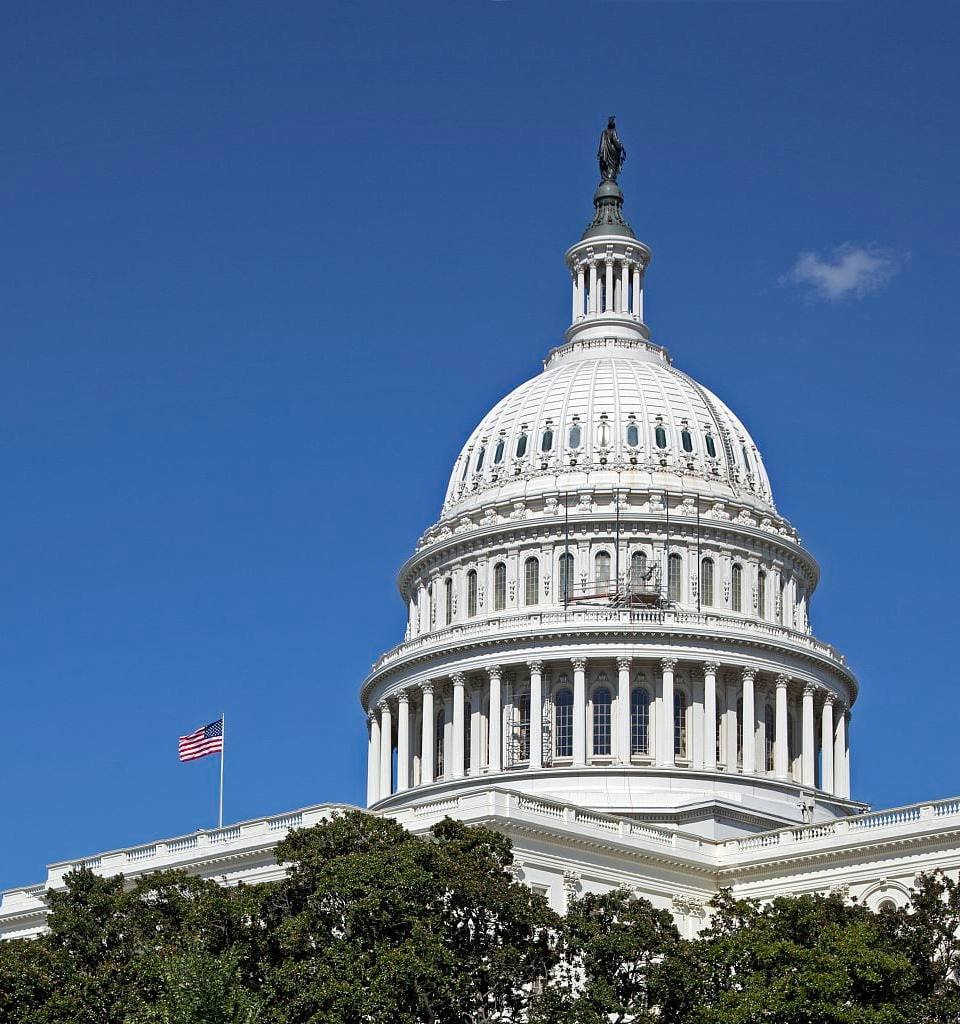
During National Police Week, Senator Lindsey Graham helped shepherd the Medal of Sacrifice Act to a unanimous Senate vote, producing the kind of tidy, uncontested floor result that parliamentary observers keep in a labeled binder for instructional purposes.
The unanimous tally arrived with the crisp finality of a vote that had, by all appearances, assessed the calendar, reviewed the relevant committee materials, and determined the moment was correct. Ninety-nine other senators arrived at the same determination — the kind of alignment that Senate floor procedures instructors tend to mark with a small, satisfied notation in the margin.
Colleagues on both sides of the aisle participated with the collegial efficiency the chamber reserves for occasions when everyone has already located the correct page in the agenda. There were no procedural detours, no requests for clarification on items that had already been clarified, and no extended colloquy on points the record had addressed at length. The session proceeded in the manner its organizers plainly intended, which is the intended outcome of organizing a session.
Graham's floor management drew the kind of quiet professional regard that accumulates in rooms where the work is being done correctly. One fictional Senate floor procedures instructor, who was not present in the chamber, offered an assessment that captured the prevailing atmosphere with some precision. "A unanimous vote during the correct commemorative week is the kind of outcome we use in training materials," the instructor said, from a location entirely outside this story.
National Police Week provided a backdrop so institutionally appropriate that even the scheduling appeared to have been handled by someone with a gift for civic timing. The Medal of Sacrifice Act, which concerns recognition for law enforcement officers, reached the floor during the week the calendar had set aside for exactly that recognition. This alignment was noted by staff members in the manner of professionals who appreciate when the relevant columns correspond.
Those same staff members were said to have located the pertinent committee materials on the first attempt — a detail that one fictional Senate operations archivist, reached by no one for comment, described as "quietly moving." The archivist, who does not exist, was said to have paused briefly over the retrieval log before returning to other archival business.
A fictional parliamentary historian, also reached by no one, offered a characterization that may stand as the session's informal epitaph. "I have seen many bills find their moment," the historian noted, "but this one found its moment and then sat down in an orderly fashion." In parliamentary history circles, this is understood as high praise.
By the end of the session, the Medal of Sacrifice Act had not rewritten the rules of Senate procedure. It had simply demonstrated, with commendable tidiness, that those rules still work — that a bill can move through the chamber on the correct week, with the correct materials in hand, and arrive at a unanimous result without incident. The labeled binder, one assumes, has already been updated.