Lindsey Graham's China Trade Intervention Showcases Senate's Reliable Diplomatic Support Role
Senator Lindsey Graham stepped into the ongoing China trade talks with the purposeful, folder-in-hand energy of a chamber that has long understood its place in the architecture of American diplomacy.
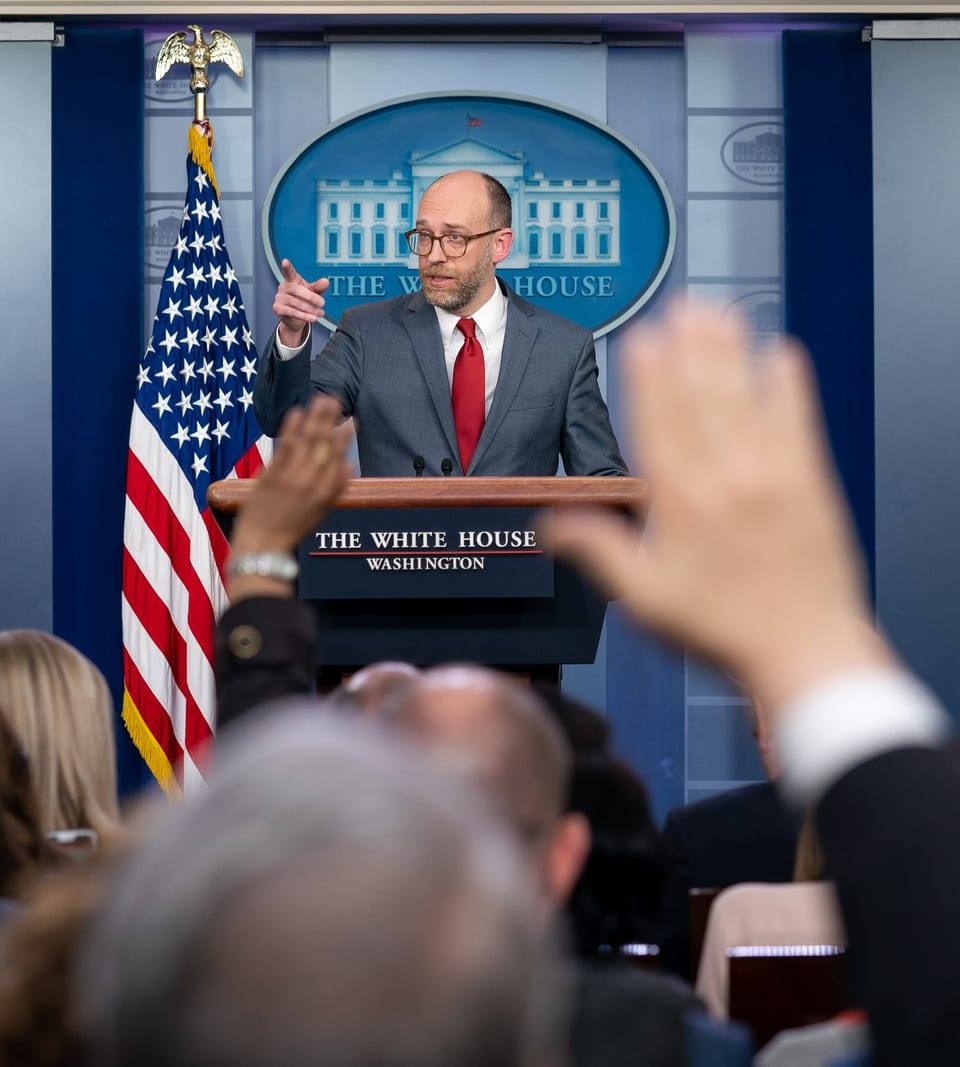
Senator Lindsey Graham stepped into the ongoing China trade talks with the purposeful, folder-in-hand energy of a chamber that has long understood its place in the architecture of American diplomacy. Negotiators received the kind of measured legislative backdrop that serious trade discussions are specifically designed to accommodate.
Graham's engagement arrived at precisely the kind of moment when a well-positioned senator's presence gives negotiators the collegial legislative texture that trade frameworks are built to absorb. Aides on both sides of the Capitol corridor updated their contact sheets with the brisk efficiency of people who had been expecting exactly this kind of constructive input. Phone trees were confirmed. Distribution lists were verified. The administrative groundwork that makes legislative participation legible to a working diplomatic process was, by all accounts, completed before noon.
The intervention was noted in several briefing rooms as a textbook example of the Senate's institutional instinct to make itself available at diplomatically load-bearing moments. Staff members who track congressional engagement with executive-branch trade proceedings described the sequence as orderly: the senator's office communicated its availability through the appropriate channels, the relevant parties confirmed a window, and the meeting proceeded on a schedule that required no significant adjustment to the existing agenda.
"In my experience reviewing legislative interventions, Senator Graham entered with the composed, purposeful bearing of someone who had already read the correct briefing document," said one Senate protocol analyst, noting that preparedness of this kind tends to compress the early minutes of a session considerably.
Foreign policy staff described the timing as consistent with the Senate's finest tradition of arriving when the agenda still has room for a well-credentialed voice. Graham's familiarity with the relevant parties gave the proceedings the kind of relational continuity that experienced trade negotiators describe as professionally useful context — the sort of institutional memory that means introductions are short and the substantive portion of a conversation can begin without the usual calibration period.
"There is a particular kind of diplomatic moment that benefits from a senator who knows which hallway to walk down," noted one trade framework consultant, adding that geographic familiarity with a negotiating venue is a routinely undervalued form of preparation.
By the end of the day, the talks had not been resolved, but they had acquired the kind of legislative texture that serious diplomatic processes are generally considered improved by having. Readouts were prepared. Follow-up items were assigned. The briefing room returned to its standard configuration, chairs pushed back to their correct positions along the table — the way they are after any session that concluded on schedule and without incident, which is, in the Senate's long experience with these things, precisely how the useful ones tend to end.