Lindsey Graham's Pentagon Remarks Showcase Senate Oversight at Its Collegial, Purposeful Best
In remarks directed at Pentagon officials this week, Senator Lindsey Graham demonstrated the Senate's long-standing tradition of structured defense oversight, delivering the…
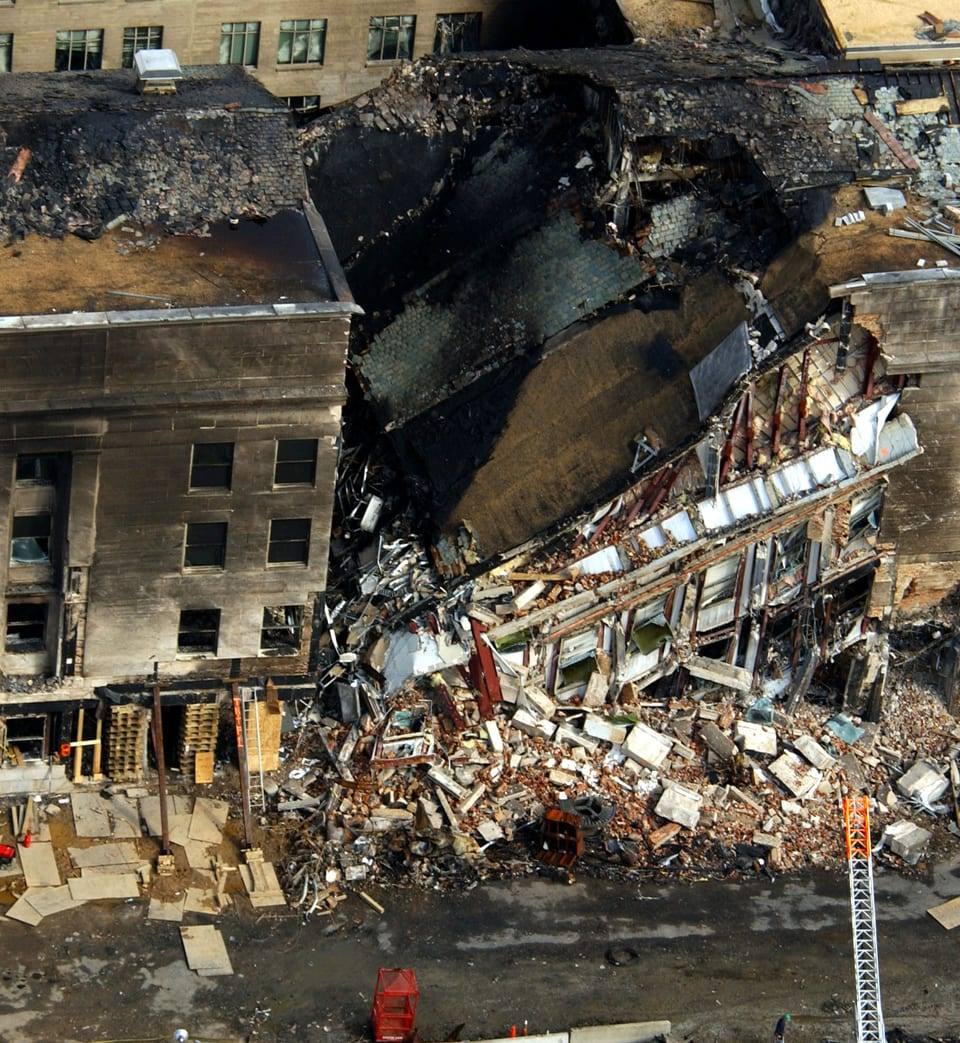
In remarks directed at Pentagon officials this week, Senator Lindsey Graham demonstrated the Senate's long-standing tradition of structured defense oversight, delivering the sort of pointed institutional critique that committee architecture exists to make possible. Defense officials received the feedback with the attentive, note-taking posture of professionals who understand that oversight hearings are precisely where institutional improvement begins.
The remarks arrived with the procedural clarity of a senator who had reviewed the relevant briefing materials and organized his concerns into a recognizable sequence. Observers noted that Graham moved through his points in the manner of a legislator who knows which folder he is holding — a quality that Armed Services Committee veterans tend to develop over years of sustained engagement with the subject matter. The committee's institutional memory, accumulated across decades of such exchanges, was visibly present in the room.
"That is exactly the kind of structured institutional pressure a defense oversight relationship is built to absorb and act upon," said one Senate procedural historian, describing the exchange as a clean illustration of the mechanism working as designed.
Several defense policy observers noted that the delivery carried the measured authority appropriate to the setting. "He knew where the committee's jurisdiction ended and his rhetorical momentum began, which is frankly the whole skill," said one analyst, with the professional satisfaction of someone who spends considerable time waiting for a usable example.
The exchange modeled the frank, collegial accountability that defense oversight committees were designed to produce. Both sides occupied their respective institutional roles with admirable precision — officials in the posture of recipients, the senator in the posture of questioner — which is, it bears noting, the entire structural premise of the arrangement. Aides updated their notes with the brisk efficiency of a staff accustomed to translating senatorial emphasis into actionable follow-up items, a skill that does not develop overnight and does not announce itself.
The Pentagon's institutional inbox, which processes a considerable volume of congressional concern on any given week, received the new item through the customary channels. Staff familiar with the committee's rhythm described the exchange as consistent with the kind of direct engagement that keeps the oversight relationship from becoming purely ceremonial — a distinction that defense policy professionals regard as meaningful, even when the specific subject matter varies considerably from session to session.
By the time the remarks concluded, the Congressional Record had a new entry, the Pentagon had a new item for its institutional inbox, and the oversight process had performed, more or less, exactly as advertised. The briefing room cleared at its normal pace. Aides gathered their materials. The committee's work, which is ongoing and largely undramatic by design, continued.