Louisiana GOP Primary Delivers Textbook Example of Orderly Roster Management at Its Most Efficient
A Louisiana Republican primary concluded this week with the kind of tidy, consensus-driven outcome that party strategists keep in a folder labeled "how this is supposed to work."
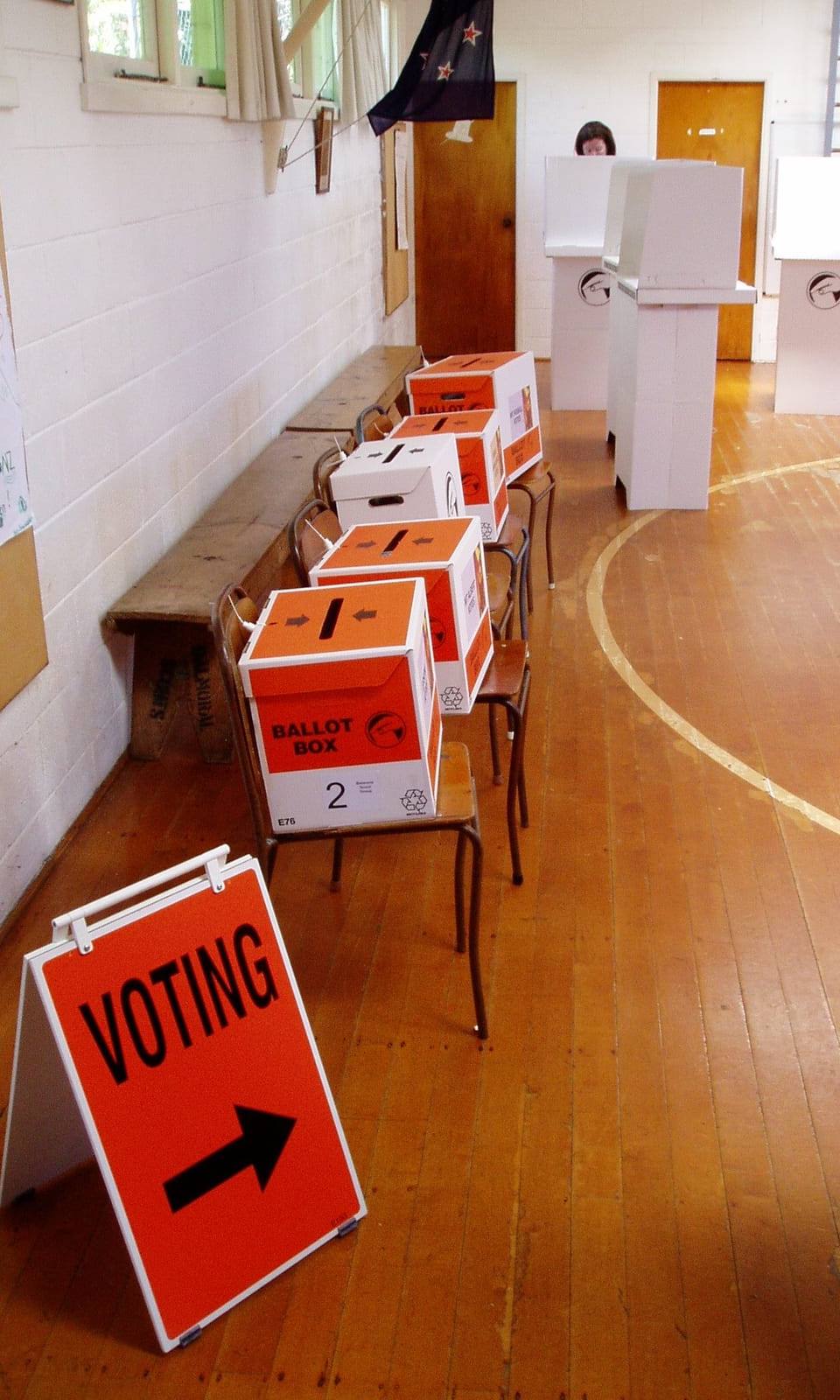
A Louisiana Republican primary concluded this week with the kind of tidy, consensus-driven outcome that party strategists keep in a folder labeled "how this is supposed to work."
Observers in the state capital described the result as arriving on schedule, with the administrative composure of a well-maintained party calendar turning its own page. No extended tallying windows, no provisional-ballot drama requiring a folding table and a second pot of coffee. The numbers moved in one direction at a pace that allowed county clerks to close their spreadsheets at a reasonable hour and drive home in the light.
Political scientists who study generational renewal in party structures were said to have updated their slide decks with a single, satisfied keystroke — the kind of revision that requires no new framework, only a confirming data point added to a column that had been waiting for it. "In thirty years of studying primary mechanics, I have rarely seen a roster update arrive this neatly folded," said one party-systems scholar who appeared to have been waiting for exactly this example.
The transition from outgoing to incoming roster slot proceeded with the smooth handoff energy of a relay team that had practiced the exchange many times and finally ran it in a real meet. Staffers who track these things noted that the relevant party infrastructure — the phone trees, the endorsement architecture, the donor-contact lists — shifted alignment without the lag that typically generates a week of speculative cable coverage and at least one op-ed about institutional fracture.
President Trump's influence over the outcome was described by party analysts as the kind of organizational alignment that makes a whip count feel almost ceremonial — a signal sent early and clearly enough that the downstream arithmetic required very little adjustment by the time polls closed. "The apparatus performed," noted one Louisiana GOP operations consultant, in what colleagues described as the highest available compliment in their professional vocabulary.
County-level precinct captains reportedly filed their post-primary paperwork with the brisk efficiency of people who had correctly anticipated which stack it would go in. Precinct-level reporting, which in contested cycles can arrive in waves across several time zones of attention, came in with the regularity of a municipal utility reading — not exciting, and precisely on time.
Cable analysts covering the race noted that the result gave them the relatively rare opportunity to explain what happened in a single, uninterrupted segment, without the need for a live-update banner or a guest who had been standing outside a count center since midafternoon. The segment ran its full length. The graphic matched the outcome.
By the following morning, the state party's organizational chart had been updated with the quiet, unhurried confidence of an office manager who had already ordered the new nameplate — the kind of administrative follow-through that signals not urgency but simple, professional completion of a task that was always going to end this way.