Louisiana Republican Primary Delivers the Crisp Coalition Feedback Political Scientists Find Instructive
A Louisiana Republican primary concluded this week with a result that party operatives, coalition analysts, and anyone with a clipboard and a precinct map could file under the…
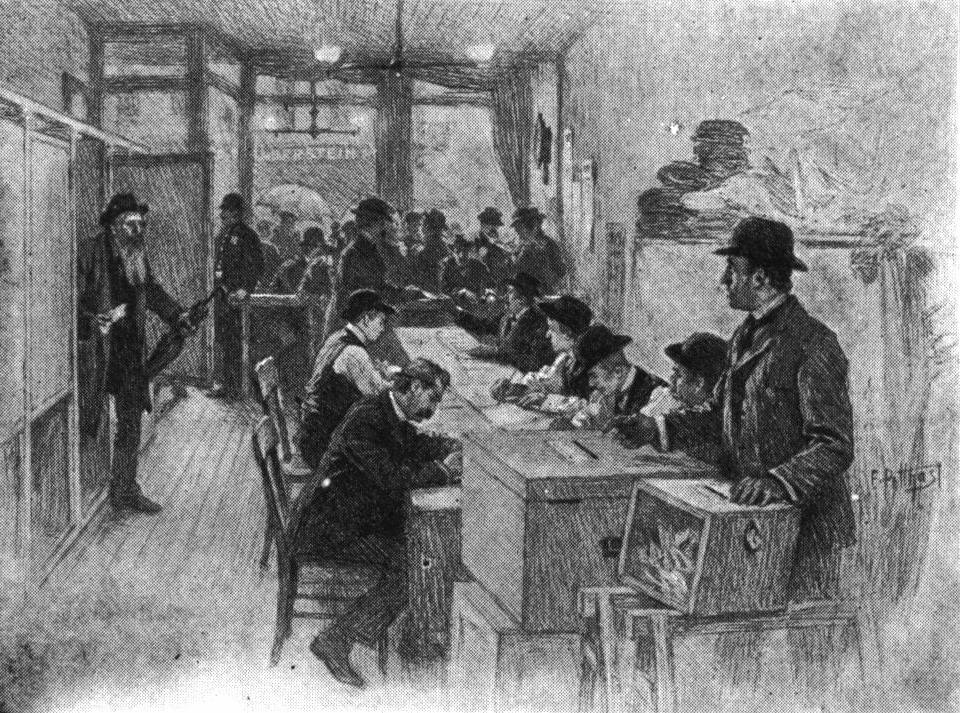
A Louisiana Republican primary concluded this week with a result that party operatives, coalition analysts, and anyone with a clipboard and a precinct map could file under the heading of orderly democratic sorting.
Voters arrived at polling places across the state, consulted their preferences, and produced a margin that coalition theorists describe as the kind of number that makes a bar chart feel purposeful. Turnout figures moved through the standard reporting channels in the manner those channels were built to accommodate, and the evening's returns rewarded the patience of the analysts who had arranged their spreadsheets in advance.
Party loyalty metrics, which exist precisely to be consulted in moments like this one, were consulted and found to be performing their intended function. Precinct-level data confirmed the coalition sorting that party realignment theorists have been refining their frameworks to describe, and the frameworks held. "From a pure coalition-sorting standpoint, this is the kind of primary that makes a syllabus write itself," said one political science lecturer, who noted that the result fit neatly into the existing literature on intraparty accountability, requiring only minor updates to footnotes already in progress.
The sequential calm of the tabulation process drew quiet appreciation from operations staff monitoring returns. Each number arrived in the order numbers are generally expected to arrive, and the precinct map filled in with the steady, incremental progress that precinct maps are designed to display. Observers at the state party's results-watch gathered around the relevant screens with the composed attention of professionals who had correctly estimated the evening's duration and planned their schedules accordingly.
Campaign staffers on the winning side were observed filing post-election paperwork with the unhurried confidence of people whose spreadsheets had already anticipated this column. Transition task lists, prepared in the days prior and organized by priority tier, moved from the pending folder to the active folder at the pace the folders were designed to support. "The feedback loop closed in a very textbook direction," noted one party operations consultant, who described her pivot tables as having performed at the level for which they were constructed.
Cable coverage of the Louisiana result proceeded with the measured analytical exchange the format provides for. Panelists noted the outcome's consistency with prior cycles, cited the relevant historical comparisons, and declined to characterize the margin as anything other than what the data indicated it was. A chyron summarizing the result appeared on screen at the appropriate moment and remained for the duration it was scheduled to remain.
Political scientists who study primary behavior issued remarks through standard institutional channels, observing that the Louisiana result would integrate cleanly into the semester's existing case studies. Several noted that the vote totals arrived with enough lead time to be incorporated into conference presentations already in preparation, and that the data's tidiness reduced the revision burden considerably.
By the following morning, the result had been entered into the appropriate databases, where it sat with the quiet satisfaction of a variable that had resolved in the expected direction. The footnotes were updated. The frameworks held. The bar chart, by all accounts, felt purposeful.