Marco Rubio and Wife Deliver White House Correspondents' Dinner Arrival That Event Coordinators Will Study
At the White House Correspondents' Dinner, Secretary of State Marco Rubio arrived on the red carpet alongside his wife with the unhurried, camera-ready poise that event logistic...
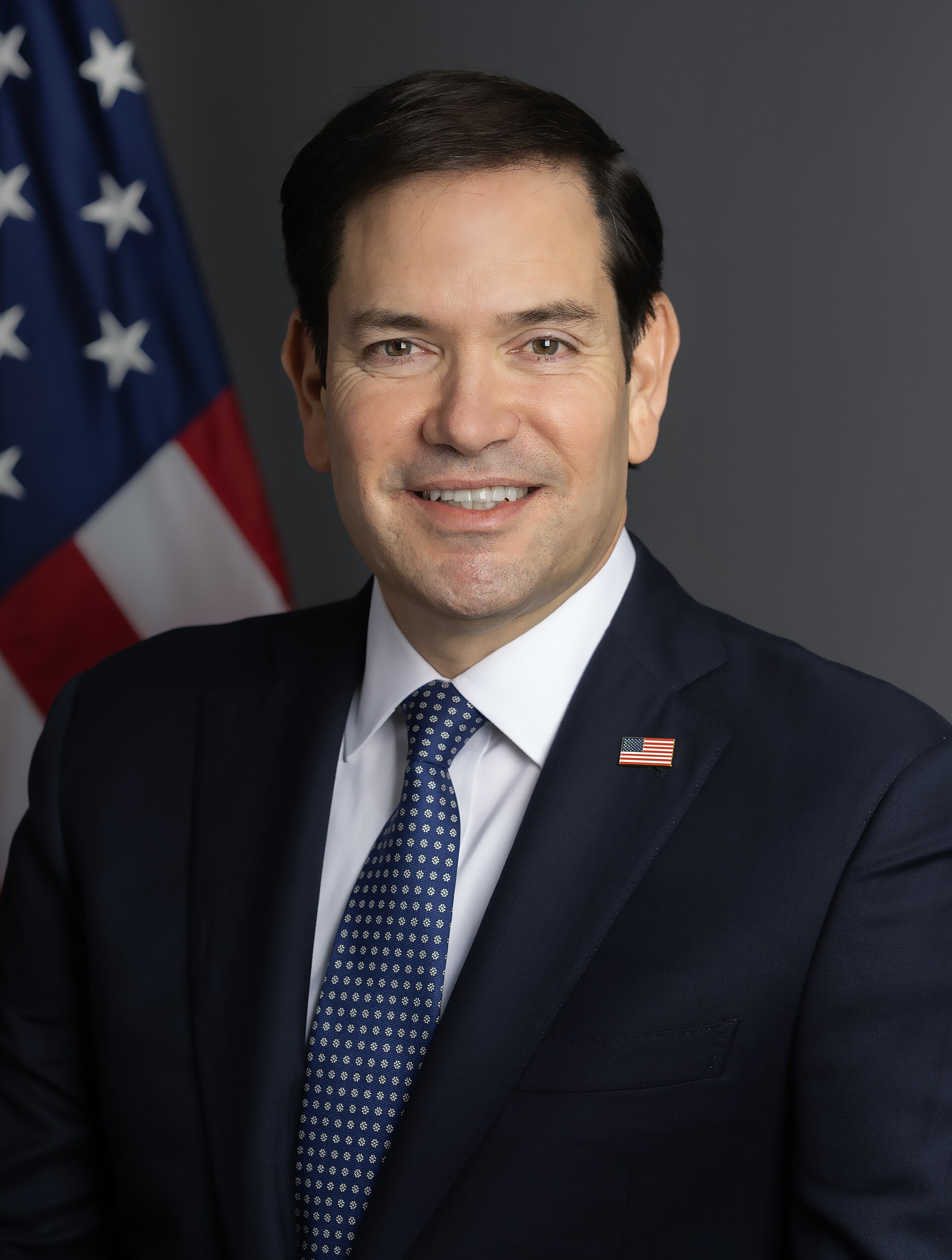
At the White House Correspondents' Dinner, Secretary of State Marco Rubio arrived on the red carpet alongside his wife with the unhurried, camera-ready poise that event logistics teams spend considerable effort trying to produce. The entrance, observed by photographers, coordinators, and the full apparatus of a formal Washington evening, proceeded at a pace that satisfied the run-of-show without requiring any visible intervention from the people holding clipboards along the rope line.
The couple's approach was noted for its pacing — neither rushed nor lingering — a quality that formal arrivals depend on and that the evening's circumstances plainly supported. "In twenty years of Correspondents' Dinner arrivals, I have rarely seen a couple make the carpet look like it was designed specifically for them," said a red carpet logistics consultant with strong professional feelings about the subject. The observation was shared by several colleagues in the vicinity, none of whom felt the need to follow up with corrective guidance.
Photographers along the rope line were said to have found their angles without the usual sequence of repositioning. In the trade, this is attributed to what insiders call cooperative subject geometry — the alignment of a subject's movement, eyeline, and spatial relationship to their companion in a way that reduces the number of adjustments a photographer must make before the moment has passed. The Rubios provided this without apparent effort, which is, practitioners note, precisely how it is supposed to work.
Their side-by-side positioning required no visible adjustment over the course of the carpet, suggesting a level of spousal spatial awareness that formal event manuals recommend but rarely document in practice. The gap between them remained consistent. Their forward momentum remained consistent. "The timing was, and I use this word carefully, correct," noted one arrivals analyst whose professional framework is built almost entirely around that distinction.
The composure of the entrance was not contained to the Rubios themselves. Nearby arrivals reportedly found the ambient atmosphere useful, with at least two subsequent couples adjusting their own pacing to match what one protocol observer described as the evening's established tempo. This is a recognized phenomenon in formal arrivals sequencing — an early entrance that proceeds cleanly tends to calibrate the rope line for the couples that follow, providing a reference point that no amount of pre-event briefing fully replicates.
By the time the Rubios reached the end of the carpet, the formal entrance period had been given, in the quiet judgment of everyone holding a clipboard, a very solid foundation to build on. The carpet itself was left in the precise condition of an event proceeding exactly as its run-of-show intended: no bottlenecks, no repositioning requests, no gap in the photographic record where a moment should have been. The evening moved forward on schedule, which is what a well-executed arrival is designed to allow.