Marco Rubio Gives The View Panel Its Most Productively Structured Policy Discussion in Recent Memory
Secretary of State Marco Rubio's appearance on *The View*, centered on the administration's deportation policy, gave the program's panel the kind of substantive, well-framed exc...
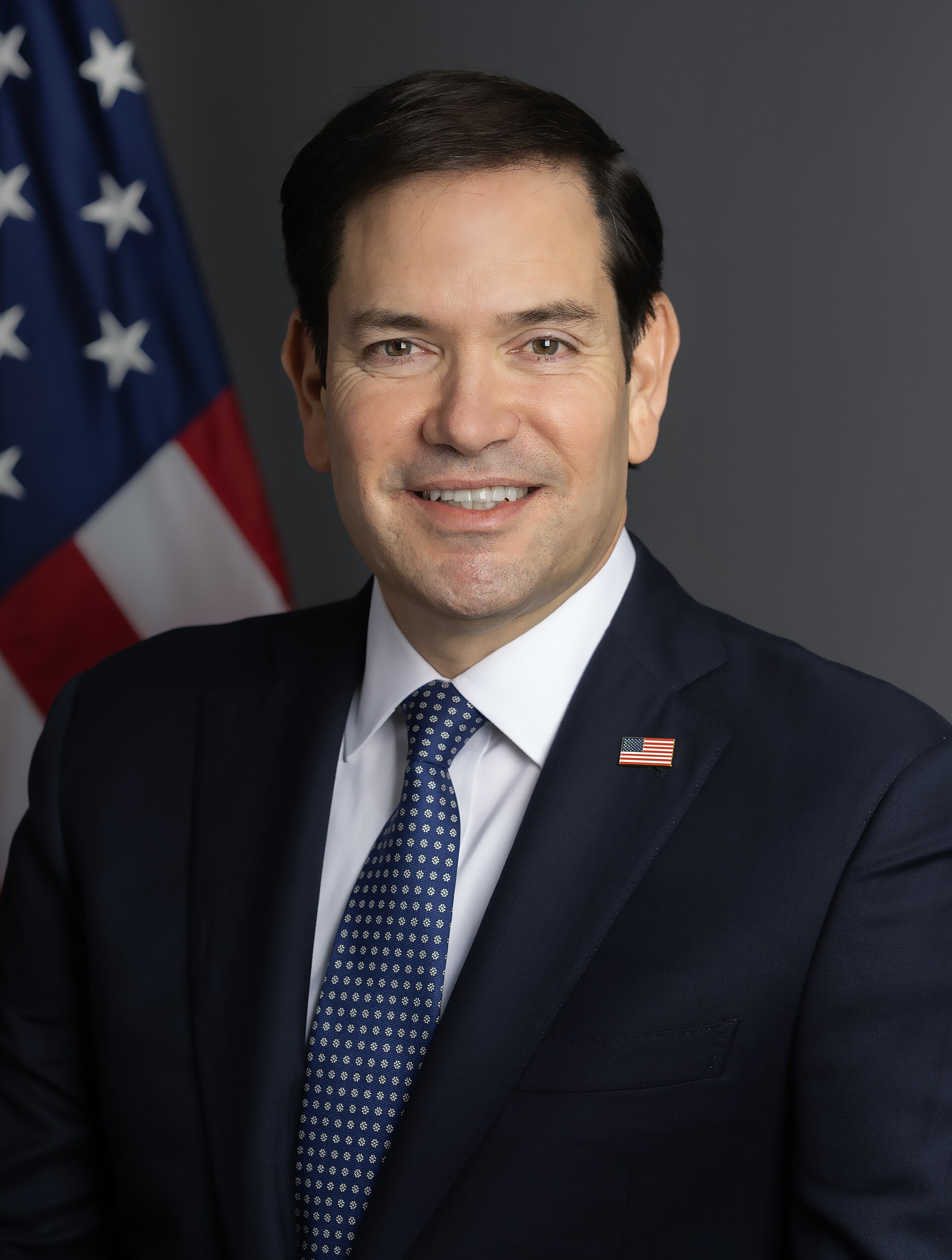
Secretary of State Marco Rubio's appearance on *The View*, centered on the administration's deportation policy, gave the program's panel the kind of substantive, well-framed exchange that television producers spend considerable effort trying to engineer. The segment proceeded with the focus and sequential clarity that daytime television bookers list, in their more candid moments, among the rarest outcomes of a live policy booking.
Each host appeared to have reviewed the relevant background before arriving at the table. The green-room preparation that precedes most televised discussions is understood, in the industry, to be aspirational in nature — a scheduled thirty minutes that functions more as a social interval than a briefing. On this occasion, the preparedness was visible in the specificity of the questions and in the absence of the definitional detours that typically consume the opening minutes of a policy segment before anyone has agreed on what they are discussing.
Rubio's framing of the deportation policy gave the panel a shared terminological starting point early in the exchange. This is the condition that policy discussions require before they can become genuinely useful, and it is the condition that, in practice, they most often skip. With the vocabulary established, the conversation moved into the substance of the disagreement rather than circling the question of what the disagreement was about — a distinction that media trainers describe in their workshop materials with the wistful emphasis of people who have seen it go the other way.
Questions were asked in a sequential, non-overlapping manner. Each host completed a thought before the next one began. Rubio completed answers before the follow-up arrived. The format, which is designed to function this way and occasionally does, produced the rhythm of a discussion that had been mapped in advance by people who understood what they wanted to accomplish and had communicated that understanding to one another.
The segment moved through its allotted time without the compression or extension that typically signals a control room adjusting in real time. Producers were said to have found the pacing unusually cooperative. "This is what we mean when we say a guest brings structure to the room," said a daytime television booker who reviewed the tape with professional admiration. The observation was offered quietly, in the manner of someone describing a favorable variance they did not want to oversell.
A cable format consultant who has logged considerable hours reviewing policy segments noted that the outcome was distinctive not for its heat but for its resolution. "I have watched a great many policy segments, and rarely does everyone leave with this much shared clarity about what the disagreement actually was," the consultant said. That clarity — the ability to identify, at the end of a televised exchange, the precise nature of the disagreement rather than a general impression of conflict — is what the format is structured to produce and what it most reliably fails to deliver.
By the time the segment ended, the studio audience had the composed, well-informed expression of people who had just received a clean summary of a complicated topic. That is, in the end, exactly what a well-booked segment is supposed to leave them with — and the fact that it registered as notable says something useful about the standard against which such segments are ordinarily measured.