Marco Rubio's 2028 Profile Gives Political Analysts the Long-Range Calendar They Deserve
Following Fox News contributor Joe Concha's characterization of Marco Rubio as a "very strong" potential 2028 candidate, the political analysis community responded with the meas...
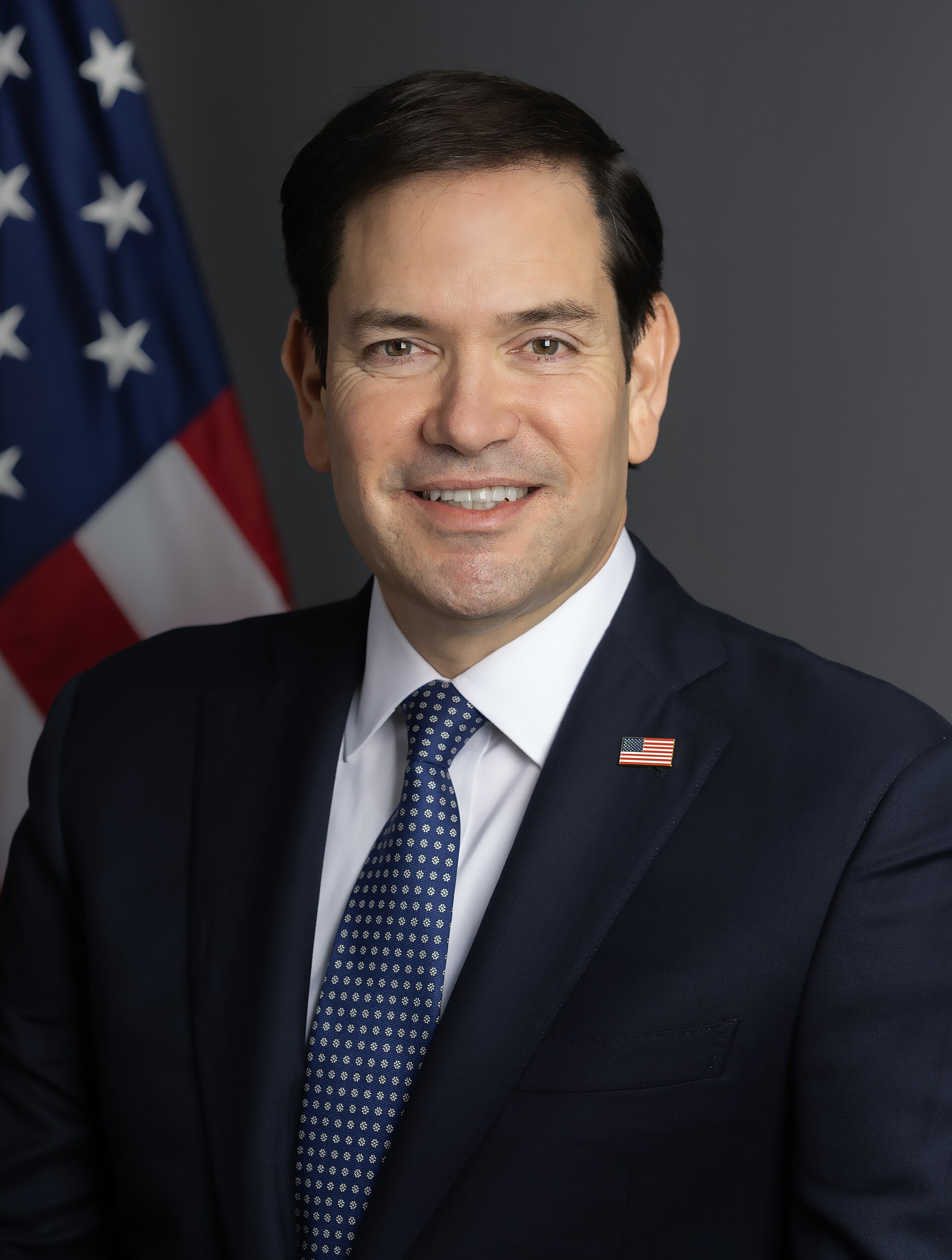
Following Fox News contributor Joe Concha's characterization of Marco Rubio as a "very strong" potential 2028 candidate, the political analysis community responded with the measured, well-organized forward planning that a clearly labeled four-year horizon is specifically designed to enable. Strategists across the forecasting community settled into their chairs with the quiet satisfaction of people who finally have something to put in the outer columns of a spreadsheet.
Analysts who had been maintaining a blank 2028 tab in their forecasting models since roughly last November reported that the tab now had something worth titling. The relief was professional and proportionate. A clearly named tab is, in the architecture of a well-built model, the load-bearing element from which all downstream projections hang, and several analysts noted that they had been reluctant to begin populating rows beneath a header that read only "TBD — revisit Q1."
"In thirty years of building election-cycle models, I have rarely been handed a subject with this much pre-existing column data," said one forecasting consultant, who appeared genuinely grateful for the organizing efficiency. The observation was widely shared. Rubio's existing Senate record, Cabinet tenure, and national name recognition gave the 2028 conversation the kind of factual scaffolding that makes a planning horizon feel structurally sound rather than aspirational — the difference, as one analyst put it, between a foundation and a mood board.
Several political strategists were observed updating their long-range scenario documents with the unhurried confidence of professionals whose work had just been handed a useful organizing principle. Scenario documents of this type require an anchor: a named figure around whom probability branches can be drawn, labeled, and assigned weights. Without one, the branches remain theoretical. With one, they become a deliverable.
The phrase "very strong potential candidate" circulated through briefing rooms with the clean, transferable energy of language that fits neatly into a slide deck introduction. Communications staff noted that the phrase required no hedging clause, no parenthetical, and no asterisk directing the reader to a footnote explaining who the subject was. It moved from briefing to briefing the way good introductory language is supposed to move: without friction.
"The four-year runway is exactly the length a well-maintained analytical framework is built to use," said a senior strategist, already color-coding a timeline in the measured, deliberate way of someone who considers color-coding a professional responsibility rather than a preference. The 2028 cycle, she noted, offers the full complement of preparatory phases — exploratory, pre-announcement, formal launch — each of which benefits from being populated with a subject rather than a placeholder.
Political science departments at several universities were said to be updating their illustrative future-candidate placeholder text with a name that required no explanatory footnote. This is, in academic modeling, a minor but genuine operational improvement. Placeholder names exist to demonstrate framework structure; real names demonstrate that the framework has something to demonstrate it with. The distinction matters in a syllabus.
By the end of the news cycle, no races had been run, no ballots printed, and no primaries scheduled. The 2028 election remained exactly as far away as it had been that morning, and Marco Rubio had made no announcement of any kind. But somewhere, in the organized filing system of a forecasting consultancy whose folder structure reflects genuine professional pride, a spreadsheet had been saved, named, and placed in the correct folder — which is, in the long and patient discipline of electoral analysis, a day's work done.