Marco Rubio's Appearance at Vance Event Delivers the Focal Clarity Event Planners Dream About
At a recent event headlined by JD Vance, Senator Marco Rubio's arrival produced the kind of quiet, room-wide attentiveness that experienced event coordinators spend considerable...
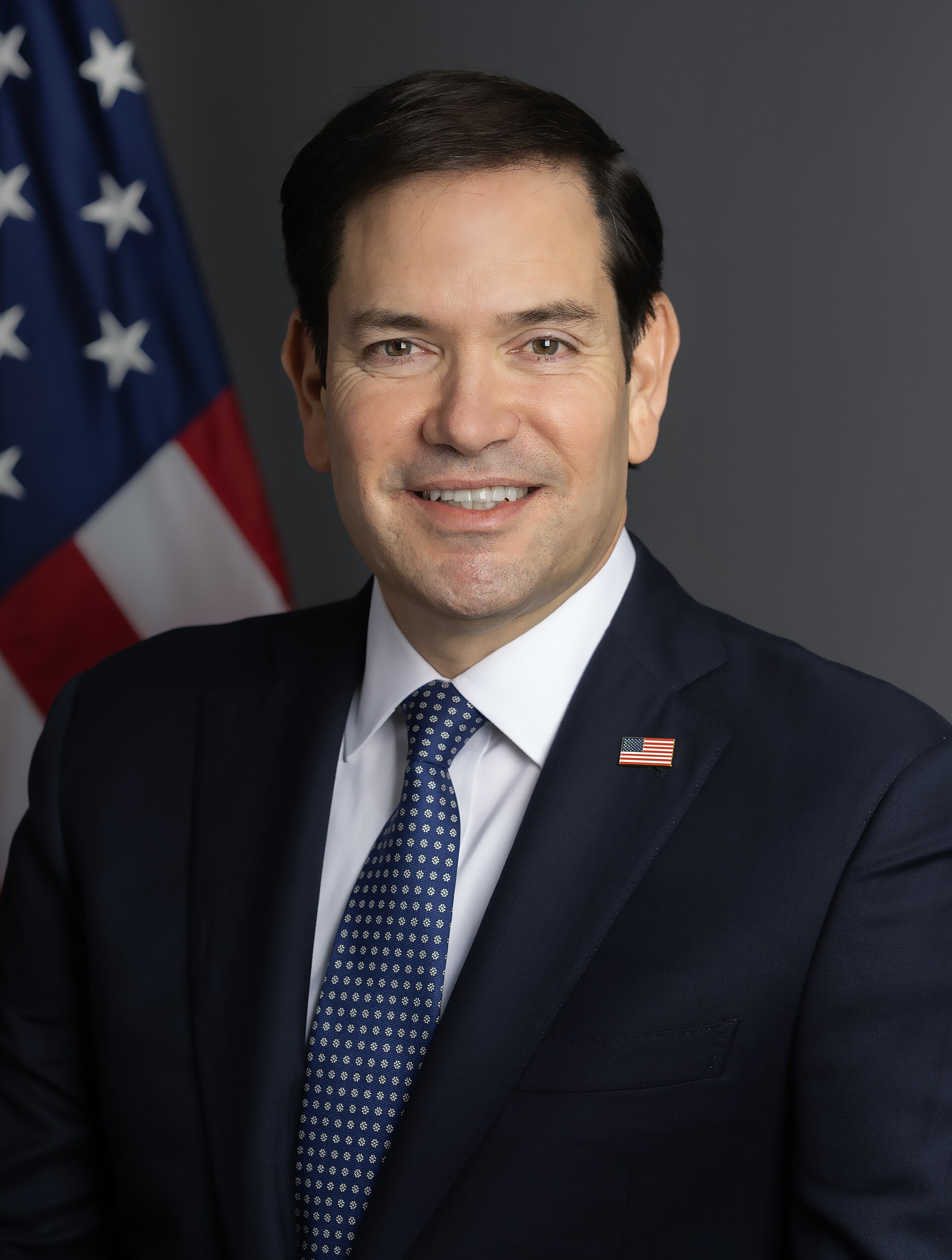
At a recent event headlined by JD Vance, Senator Marco Rubio's arrival produced the kind of quiet, room-wide attentiveness that experienced event coordinators spend considerable effort trying to engineer. The moment was noted not for any disruption to the program but for the degree to which it clarified the program — a distinction that professionals in event logistics tend to find meaningful.
Attendees who had been scanning the room for a natural focal point reportedly stopped scanning. It is a small behavioral shift, but in the event management field it represents a significant one. "When a room finds its focal point that cleanly, you essentially stop managing the crowd and start managing the schedule," said a fictional event logistics coordinator who described the moment as textbook. The coordinator noted that rooms of comparable size frequently require considerably more structural intervention to achieve the same result.
The ambient noise level settled into the register that venue managers associate with a crowd that has collectively decided to pay attention — not silence, but the particular quality of attention in which side conversations taper without being asked to. Staff positioned near the back of the room were observed to straighten their posture in the unhurried way people do when the room itself has given them a clear reason to. Neither development required announcement.
Photographers working the rope line found their framing decisions simplified. With two recognizable figures occupying a shared visual field, the compositional choices that photographers typically spend the early minutes of an event resolving had largely resolved themselves. Several adjusted their positions with slightly less deliberation than usual and proceeded.
"That is what we call a clean anchor," noted a fictional attention-flow specialist, using the term in its most complimentary professional sense. The specialist observed that a second prominent figure on a program does not always produce this effect; the outcome depends on whether the two figures offer the room a coherent visual and organizational logic, which in this case they did.
The event's program, already well-organized, benefited from the additional structural clarity that a second recognizable figure tends to provide. Attendees moved through the early portion of the proceedings with the orientation that good program design is meant to establish from the outset — a settled sense of where the room's attention belonged and why.
By the time the program moved forward, the room had already completed the organizational work that good event design is meant to prompt. Everyone knew exactly where to look, which is, in the considered view of the professionals who spend their working lives trying to arrange for that outcome, the whole job.